As the electric vehicle (EV) market surges toward a projected 45% global market share by 2030, one critical engineering challenge remains: Thermal Runaway. While battery chemistry evolves, the industry's focus has shifted to "Passive Fire Protection" (PFP)-using advanced sealing materials to contain catastrophic failure.

The Mechanics of Thermal Runaway
Thermal runaway is a chain reaction. When a single lithium-ion cell fails-due to physical impact, manufacturing defects, or overcharging-it generates intense heat (exceeding 800°C) and releases flammable electrolyte gases.
Without effective thermal barriers, this heat instantly propagates to adjacent cells, creating a domino effect that consumes the entire battery pack in seconds. The goal of modern gasket engineering is not just to seal, but to isolate and delay this propagation, giving passengers critical time to evacuate.

The Three Lines of Defense: Advanced Materials
01 Cell-to-Cell Barriers: Mica & Aerogel
Installed between individual battery cells, these ultra-thin sheets must handle "breathing" (cell expansion during charging) while blocking 1000°C heat spikes.
- Mica Composite: Excellent dielectric strength and fire resistance up to 1000°C.
- Silica Aerogel: The world's lightest solid, offering superior thermal insulation with minimal thickness/weight penalty.
02 Pack Sealing: Flame Retardant Silicone Foam
The gasket sealing the battery lid must prevent water ingress (IP68 rating) while surviving a fire event.
- UL94 V-0 Rated: Self-extinguishing silicone foam ensures the gasket acts as a fire break, not fuel.
- Compression Set Resistance: Maintains seal integrity over the vehicle's 10-15 year lifespan despite constant vibration.
03 Pressure Equalization: ePTFE Venting Membranes
Batteries generate gas. A hermetically sealed box is a potential bomb. ePTFE membranes allow gas to escape rapidly during thermal events while blocking liquid water ingress.
Safety is the Ultimate Performance Metric

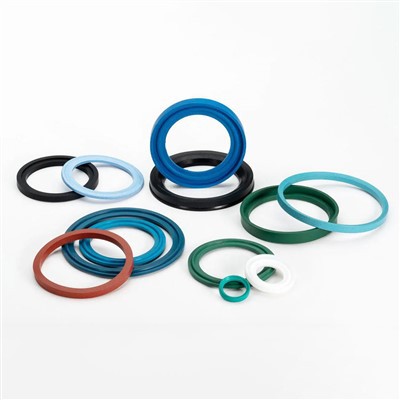
In the EV era, a gasket is no longer just a rubber ring-it is a critical safety component. OEM manufacturers are shifting from commodity rubbers to engineered solutions like Ceramifying Silicone (which turns into a hard ceramic shield when burned) to meet stricter safety standard UN GTR 20.
Investing in high-grade thermal interface materials and flame-retardant seals is the most cost-effective insurance against battery liability claims.
As EV battery voltages climb to 800V and energy densities increase, the margin for error shrinks. Choose sealing partners who understand thermal management, not just dimension tolerances.