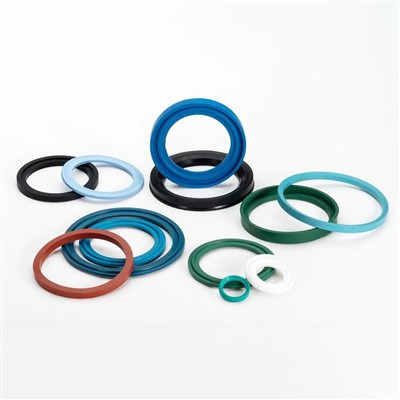
Food-Grade TPV Material Overview
Food-grade TPV (Thermoplastic Vulcanizate) is a high-performance elastomer designed for applications involving direct food contact. It combines rubber-like elasticity with thermoplastic processability, offering an optimal balance of safety, durability, and manufacturing efficiency.
Food-grade TPV compounds are specially formulated and strictly controlled to comply with major international food contact regulations, making them widely used in baby products, kitchenware, household appliances, and food processing equipment.
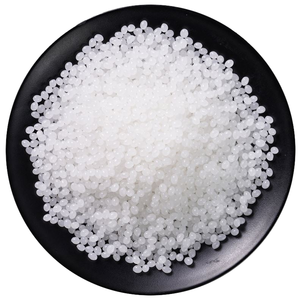
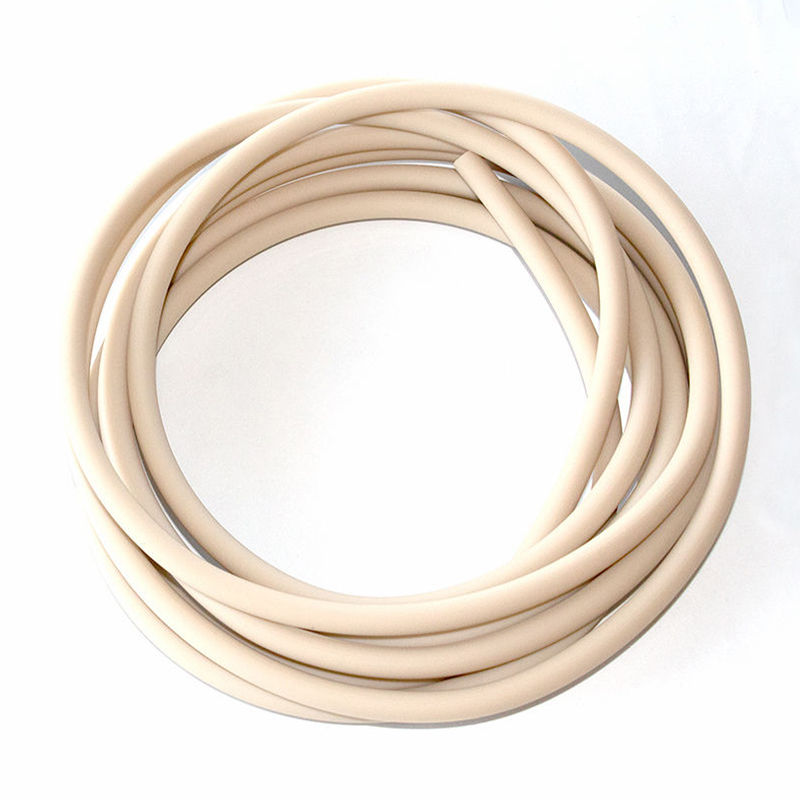
What Is Food-Grade TPV?
- Base materials: Polypropylene (PP) and EPDM rubber
- Manufacturing method: Dynamic vulcanization
- Structure: Fine rubber particles dispersed in a thermoplastic matrix
- Key advantage: Rubber elasticity with plastic processing efficiency
Key Advantages of Food-Grade TPV
| Food Safety | Complies with FDA 21 CFR 177.2600, EU 10/2011, LFGB, and GB 4806 standards |
| Temperature Resistance | Typical service range from -40°C to +150°C, suitable for hot water and steam exposure |
| Mechanical Performance | Excellent elasticity, tear resistance, and long-term durability |
| Chemical Stability | Resistant to water, oils, weak acids, and common food ingredients |
| Processability | Injection moldable and extrudable with high dimensional consistency |
| Sustainability | Recyclable material compliant with RoHS and REACH |
Typical Applications
- Baby Products: Bottle nipples, sealing rings, straw cup components
- Kitchenware: Food container gaskets, utensil handles, anti-slip grips
- Household Appliances: Coffee machine seals, water dispenser tubing, blender gaskets
- Drinkware & Containers: Sports bottle lids, straws, lunch box seals
- Food Processing Equipment: Gaskets, hoses, sealing components
TPV vs Other Food-Grade Materials
| Material | Key Characteristics | Best Use Case |
|---|---|---|
| TPV | Balanced performance, recyclable, cost-effective | Most food contact sealing and soft-touch parts |
| Silicone | Ultra-high temperature resistance, higher cost | Baking molds, extreme heat applications |
| TPE | Soft, economical, limited heat resistance | Room-temperature food contact parts |
| Rubber | Good elasticity, poor aging resistance | Low-cost or short-life applications |
Material Selection Tip:
- For most food contact applications below 150°C, TPV offers the best balance of safety, durability, and cost
- Choose silicone only when continuous extreme temperature resistance is required
Conclusion
TPV (Thermoplastic Vulcanizate) is one of the most versatile elastomer materials used today.
Its ability to combine rubber-like elasticity, thermal stability, and thermoplastic processing efficiency makes it suitable for a wide range of applications.
From sealing gaskets and O-rings to hoses, overmolded parts, and vibration dampers, TPV is commonly used in food contact products, household appliances, automotive components, and industrial equipment.