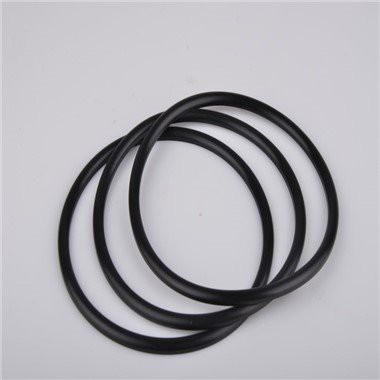

As a supplier of Rubber X - rings, I often get asked about the water resistance of these essential sealing components. In this blog, I'll delve deep into the water - resistant properties of Rubber X - rings, exploring the factors that influence their performance in wet environments, and how they stack up against other sealing options.
Understanding Rubber X - rings
Before we discuss water resistance, let's briefly understand what Rubber X - rings are. Also known as quad rings, they are a type of sealing ring with a cross - sectional shape that resembles the letter "X". This design offers several advantages over traditional O - rings, such as better sealing performance, reduced friction, and longer service life. Rubber X - rings are used in a wide range of applications, from automotive engines to plumbing systems, where they prevent the leakage of fluids, including water.
Factors Affecting Water Resistance
The water resistance of Rubber X - rings is influenced by several key factors:
1. Rubber Material
The type of rubber used in the X - ring is perhaps the most significant factor. Different rubber compounds have varying degrees of water resistance.
- Nitrile Rubber (NBR): NBR is a commonly used rubber material for X - rings. It offers good water resistance, especially against fresh water. However, it may not be suitable for long - term exposure to hot water or water with high chemical content. NBR X - rings are often used in general - purpose applications where the water is relatively clean and at normal temperatures.
- Ethylene Propylene Diene Monomer (EPDM): EPDM is known for its excellent water resistance, making it a popular choice for applications involving water. It can withstand long - term exposure to fresh water, seawater, and even hot water up to a certain temperature. EPDM X - rings are commonly used in plumbing, marine, and outdoor applications.
- Fluoroelastomers (FKM): FKM, also known as Viton, offers outstanding chemical resistance, including resistance to water with various chemicals. It can handle high - temperature water and is often used in industrial applications where the water may be contaminated with acids, bases, or other chemicals.
2. Temperature
The temperature of the water can significantly affect the water resistance of Rubber X - rings. As the temperature increases, the rubber may expand, contract, or degrade, which can compromise its sealing ability. For example, NBR X - rings may start to lose their water - resistant properties at temperatures above 80°C, while EPDM can withstand higher temperatures, up to around 150°C in some cases.


3. Pressure
The pressure exerted on the X - ring also plays a role in its water resistance. Higher pressures can force water through the sealing interface, especially if the X - ring is not properly installed or if it has been damaged. Rubber X - rings are designed to withstand a certain range of pressures, and it's important to select the right X - ring for the specific pressure requirements of the application.
4. Chemical Composition of Water
The chemical composition of the water can have a profound impact on the water resistance of Rubber X - rings. Water that contains chemicals such as acids, bases, salts, or detergents can react with the rubber, causing it to swell, harden, or degrade. For instance, seawater, which has a high salt content, can be more corrosive to some rubber materials than fresh water.
Comparing Rubber X - rings with Other Sealing Options
When it comes to water - sealing applications, Rubber X - rings have several advantages over other sealing options:
1. Compared to O - rings
- Better Sealing Performance: The unique X - shaped cross - section of Rubber X - rings provides multiple sealing points, which can result in a more effective seal compared to O - rings. This is especially important in applications where water leakage needs to be minimized.
- Reduced Friction: Rubber X - rings generally have lower friction coefficients than O - rings, which can reduce wear and tear and extend the service life of the sealing system.
2. Compared to Gaskets
- Compact Design: Rubber X - rings are more compact than gaskets, making them suitable for applications where space is limited. They can also be used in dynamic applications, such as rotating shafts, where gaskets may not be as effective.
Applications of Water - Resistant Rubber X - rings
Rubber X - rings with good water resistance are used in a wide variety of applications:
1. Plumbing Systems
In plumbing, Rubber X - rings are used to seal joints in pipes, faucets, and valves. They prevent water leakage and ensure the proper functioning of the plumbing system. EPDM X - rings are commonly used in this application due to their excellent water resistance and durability.
2. Automotive Industry
In automotive engines, Rubber X - rings are used to seal water - cooling systems, such as radiator hoses and water pumps. They help to maintain the proper flow of coolant and prevent leaks, which can lead to engine overheating. NBR X - rings are often used in these applications.
3. Marine Applications
In the marine industry, Rubber X - rings are used in various components, such as boat engines, plumbing systems, and underwater equipment. They need to withstand the harsh conditions of seawater, including high salt content and corrosion. EPDM and FKM X - rings are commonly used in marine applications.
How to Ensure Optimal Water Resistance
To ensure that Rubber X - rings provide optimal water resistance, the following steps should be taken:
1. Select the Right Rubber Material
Based on the specific requirements of the application, such as the temperature, pressure, and chemical composition of the water, choose the appropriate rubber material for the X - ring. Consult with a rubber expert or refer to the material's technical data sheet for guidance.
2. Proper Installation
Ensure that the X - ring is installed correctly. This includes using the right installation tools, ensuring the sealing surface is clean and smooth, and applying the correct amount of pre - load. Improper installation can lead to leaks and premature failure of the X - ring.
3. Regular Inspection and Maintenance
Regularly inspect the Rubber X - rings for signs of wear, damage, or degradation. Replace any X - rings that show signs of deterioration to prevent water leakage.
Conclusion
In conclusion, the water resistance of Rubber X - rings is a complex topic that depends on several factors, including the rubber material, temperature, pressure, and chemical composition of the water. As a supplier of Rubber X - rings, we offer a wide range of high - quality X - rings made from different rubber materials to meet the diverse needs of our customers. Whether you need X Ring Rubber Bullets, Rubber Quad Ring, or O - ring X - ring Rubber, we have the right solution for your water - sealing applications.
If you are interested in learning more about our Rubber X - rings or have specific requirements for your project, please feel free to contact us. Our team of experts is ready to assist you in selecting the best X - rings for your needs and ensuring a successful sealing solution.
References
- "Handbook of Elastomers", Second Edition, Edited by Ibrahim M. Hashim
- "Sealing Technology", by John P. Blair
- Technical data sheets from rubber material manufacturers