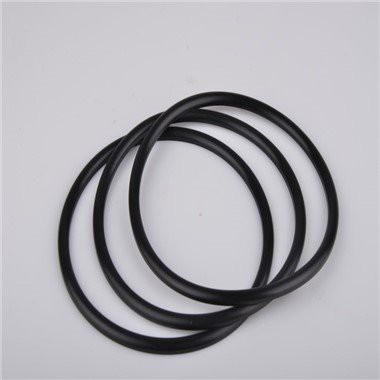

Hey there! As a supplier of rubber stoppers, I often get asked about what materials these little guys are usually made of. Well, let's dive right in and explore the different materials that go into making rubber stoppers.
Natural Rubber
First up, we've got natural rubber. It's been around for ages and is still a popular choice for many applications. Natural rubber is derived from the latex sap of the Hevea brasiliensis tree. This sap is collected and then processed to make rubber.
One of the biggest advantages of natural rubber is its excellent elasticity. It can stretch a whole lot and then bounce back to its original shape. This makes it great for applications where a tight seal is needed. For example, in laboratory settings, natural rubber stoppers can be used to seal test tubes and flasks, preventing any leakage of liquids or gases.
Another plus is its good resistance to abrasion. This means that natural rubber stoppers can withstand a fair amount of wear and tear, making them durable. However, natural rubber does have its drawbacks. It's not very resistant to oils, solvents, and ozone. Over time, exposure to these substances can cause the rubber to degrade and lose its elasticity.
If you're looking for a general - purpose rubber stopper for non - harsh environments, natural rubber could be a great option. You can check out our Waterproof Stopper Rubber Plug which might use natural rubber in some of its variants.
Synthetic Rubbers
Neoprene
Neoprene is a synthetic rubber that was developed as an alternative to natural rubber. It's made through a chemical process and has some unique properties. One of the main selling points of neoprene is its excellent resistance to oils, solvents, and ozone. This makes it a great choice for applications where the stopper will be exposed to these substances.
For example, in the automotive industry, neoprene rubber stoppers can be used in fuel systems. They can prevent fuel leaks and withstand the harsh chemical environment inside the fuel tank. Neoprene also has good weather resistance, so it can be used outdoors without deteriorating quickly.
However, neoprene is a bit stiffer than natural rubber, which means it might not be as elastic. But for applications where chemical resistance is more important than extreme elasticity, neoprene is a top pick.
Nitrile Rubber
Nitrile rubber is another synthetic rubber that's widely used in rubber stoppers. It's known for its outstanding resistance to oils and fuels. In fact, it's often the go - to material for applications in the oil and gas industry.
Nitrile rubber stoppers can be used in pipelines, valves, and other equipment where they need to seal off oil or gas. They can maintain their integrity even when in constant contact with these substances. Like neoprene, nitrile rubber also has good abrasion resistance, so it can last a long time.
But nitrile rubber isn't as good as natural rubber when it comes to low - temperature flexibility. At very cold temperatures, it can become brittle. So, if your application requires the stopper to work in cold conditions, you might need to consider other options.
Silicone Rubber
Silicone rubber is a real star in the rubber stopper world. It has a wide range of properties that make it suitable for many different applications. One of the most notable features of silicone rubber is its high - temperature resistance. It can withstand temperatures from - 60°C to 230°C without losing its properties.
This makes it ideal for use in ovens, industrial heaters, and other high - temperature environments. Silicone rubber is also very flexible, even at low temperatures. It has good electrical insulation properties, which means it can be used in electrical equipment to prevent electrical leakage.
Moreover, silicone rubber is non - toxic and has good biocompatibility. This makes it a popular choice for medical and food - grade applications. For example, in the medical field, silicone rubber stoppers can be used in syringes and vials to ensure a sterile and safe environment. If you're interested in silicone rubber stoppers, take a look at our Silicone Rubber Stopper Plug.
EPDM Rubber
EPDM (Ethylene Propylene Diene Monomer) rubber is a synthetic rubber that offers excellent weather resistance. It can withstand extreme temperatures, UV radiation, and ozone without degrading. This makes it a great choice for outdoor applications.
EPDM rubber stoppers can be used in building construction, such as in window and door seals. They can also be used in water treatment plants, as they have good resistance to water and chemicals commonly found in water treatment processes.
However, EPDM has limited resistance to oils and fuels. So, it's not the best option for applications where it will be in contact with these substances.
Specialty Rubbers
Sometimes, standard rubbers just won't cut it, and that's when specialty rubbers come into play. For example, there are fluorocarbon rubbers which have extremely high chemical resistance. They can withstand aggressive chemicals like acids and bases. These are often used in chemical processing plants.
There are also thermoplastic elastomers (TPEs). TPEs combine the properties of plastics and rubbers. They're easy to process, have good flexibility, and can be recycled. TPE rubber stoppers are becoming more popular in consumer products because of their cost - effectiveness and environmental friendliness.
If you need a rubber stopper with a unique shape or property, we have Special Shape Rubber Plug options that might fit your needs.
Choosing the Right Material
When it comes to choosing the right material for your rubber stopper, there are a few factors to consider. First, think about the environment where the stopper will be used. If it's going to be exposed to oils, solvents, or high temperatures, you'll need a rubber with good resistance to these conditions.
The required level of elasticity is also important. If you need a stopper that can stretch a lot to create a tight seal, natural rubber or silicone rubber might be a good choice. And of course, cost is always a factor. Some specialty rubbers can be more expensive than standard ones, so you'll need to balance your requirements with your budget.


Let's Talk Business
If you're in the market for rubber stoppers, we're here to help. Whether you need a simple natural rubber stopper for a basic application or a high - tech specialty rubber stopper for a complex industrial process, we've got you covered. We can provide you with samples so you can test the performance of our rubber stoppers in your specific environment.
Get in touch with us to start a conversation about your rubber stopper needs. We're ready to work with you to find the perfect solution.
References
- "Handbook of Elastomers" by Bhupendra K. Gupta
- "Rubber Technology: Compounding, Mixing, and Testing of Vulcanizates" by Werner Hofmann