


As a seasoned supplier of rubber rings, I've encountered numerous customers facing the common issue of rubber rings losing their elasticity. This issue can significantly affect the performance and lifespan of the products using these rings, whether they're used in industrial machinery, household appliances, or automotive applications. In this blog, I'll share professional insights on how to deal with this problem, drawing from my years of industry experience.
Understanding Why Rubber Rings Lose Elasticity
Before diving into the solutions, we need to understand the reasons behind the loss of elasticity. Rubber is a polymer material, and its elasticity is due to the long - chain molecular structure of polymers. Several factors can cause the chains to break down or change, resulting in loss of elasticity.
- Aging and Oxidation: Over time, rubber is exposed to oxygen in the air, which can cause oxidation. Oxidation leads to the cross - linking of polymer chains, making the rubber harder and less elastic. For example, rubber rings used in outdoor equipment are more prone to oxidation due to long - term exposure to air.
- Exposure to Heat and Cold: Extreme temperatures can also have a profound impact. High temperatures can accelerate the chemical reactions in rubber, causing it to become soft and sticky initially and then harden and lose elasticity. On the other hand, low temperatures can make rubber brittle, reducing its ability to stretch and return to its original shape.
- Chemical Exposure: Rubber can react with various chemicals. For instance, exposure to oils, solvents, acids, or alkalis can cause the rubber to swell, dissolve, or degrade, resulting in loss of elasticity. In industrial settings where rubber rings are in contact with different chemicals, this is a common problem.
- Mechanical Stress: Continuous stretching, compression, or friction can damage the molecular structure of rubber. If a rubber ring is constantly under high pressure or is subject to repeated bending, its elasticity will gradually decline.
Solutions to Restore or Replace Elasticity
1. Conditioning Methods
- Heat Treatment: For some rubber materials, gentle heat treatment can help restore a certain degree of elasticity. You can soak the rubber ring in warm water (around 50 - 60 degrees Celsius) for a short period, usually 5 - 10 minutes. After that, let it cool slowly at room temperature. However, be cautious as excessive heat can cause further damage. For example, natural rubber is more heat - sensitive compared to synthetic rubbers like EPDM or silicone.
- Moisturizing: Applying a rubber - specific conditioner or silicone - based lubricant can help keep the rubber soft and flexible. These products can penetrate the rubber surface and prevent it from drying out. Just apply a small amount evenly on the rubber ring and let it absorb for a few hours. Make sure the conditioner is compatible with the rubber material to avoid any chemical reactions.
2. Storage and Maintenance
- Proper Storage: If you have a stock of rubber rings, store them in a cool, dry, and dark place. This helps to slow down the aging and oxidation process. Keep them away from direct sunlight, heat sources, and chemicals. You can use sealed plastic bags or containers to store them, protecting them from air and dust.
- Regular Inspection: Periodically inspect the rubber rings in your equipment. Look for signs of cracking, hardening, or other damage. By detecting problems early, you can take preventive measures before the rubber rings completely lose their functionality.
3. Replacement
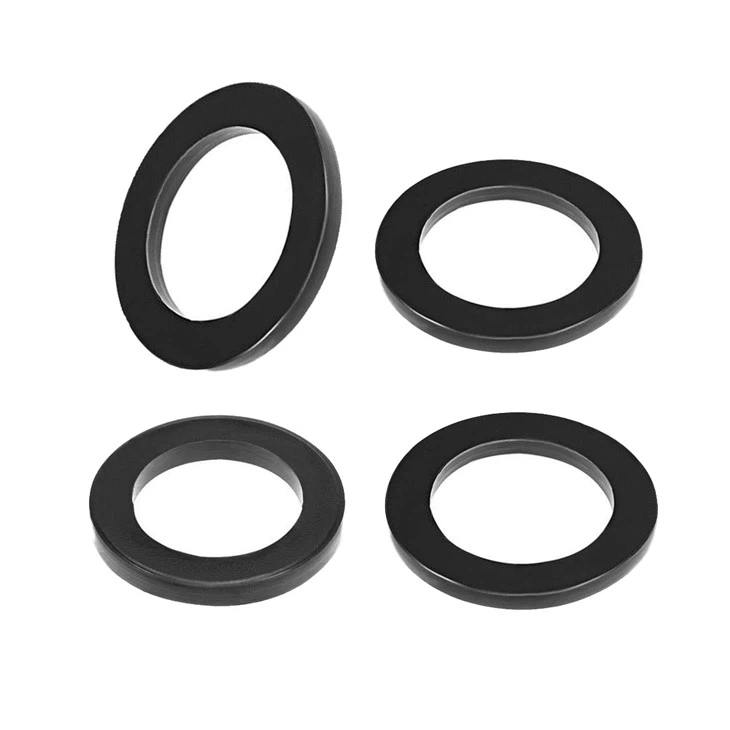
When the rubber ring has lost too much elasticity and cannot be restored, replacement is the best option. As a reliable Rubber Ring supplier, we offer a wide range of high - quality rubber rings to meet different industrial and commercial needs.
- Rubber Square Ring: These square - shaped rubber rings are commonly used in applications where a tight seal is required. They provide excellent sealing performance and are available in various materials such as silicone, nitrile, and fluorocarbon.
- OEM Seal Ring: For customers with specific requirements, we provide OEM seal rings. We can customize the size, shape, and material according to your drawings or samples, ensuring a perfect fit for your products.
- Airtight Rubber Seal: Ideal for applications that require airtightness, such as in the automotive and aerospace industries. Our airtight rubber seals are designed to prevent air leakage and maintain the desired pressure.
Importance of Choosing the Right Rubber Ring
Choosing the appropriate rubber ring from the start can significantly reduce the likelihood of losing elasticity. Consider the following factors when selecting a rubber ring:
- Material Compatibility: Different rubber materials have different chemical and physical properties. For example, if the rubber ring will be in contact with oil, nitrile rubber is a good choice as it has excellent oil resistance. If it needs to withstand high temperatures, silicone or fluorocarbon rubber may be more suitable.
- Operating Conditions: Take into account the temperature range, pressure, and mechanical stress the rubber ring will be exposed to. For high - pressure applications, choose a rubber ring with high - strength and good compression - set resistance.
- Size and Shape: Ensuring the correct size and shape is crucial for the proper function of the rubber ring. An improperly sized ring may not provide a tight seal or may be subject to excessive stress, leading to premature loss of elasticity.
Conclusion
In conclusion, dealing with a rubber ring that has lost its elasticity requires a comprehensive approach, including understanding the causes, applying appropriate restoration methods, and taking preventive measures. As a professional Rubber Ring supplier, we're committed to providing high - quality products and expert advice to help you solve any problems related to rubber rings. Whether you need to replace an old, worn - out rubber ring or are looking for the right rubber ring for a new project, we're here to assist you.
If you're interested in our products or have any questions about rubber rings, please feel free to contact us for a detailed discussion. We look forward to establishing a long - term business relationship with you.

References
- "Rubber Technology and Manufacture" by Rodney F. T. Stepto
- "Handbook of Elastomers" edited by A. K. Bhowmick and H. L. Stephens
- Industry research reports on rubber materials and applications


