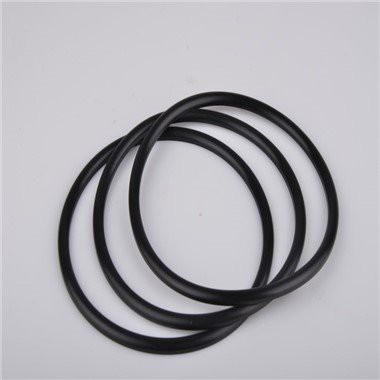

As a reputable Rubber X-ring supplier, I often encounter inquiries about the ozone resistance of our products. Ozone, a highly reactive gas present in the Earth's atmosphere, can have a detrimental impact on rubber materials over time. Understanding the ozone resistance of Rubber X-rings is crucial for ensuring their long-term performance and reliability in various applications.
Understanding Ozone and Its Effects on Rubber
Ozone is a naturally occurring gas composed of three oxygen atoms (O₃). It is formed primarily in the stratosphere through the interaction of ultraviolet radiation with oxygen molecules. However, ozone can also be produced at ground level by industrial processes, electrical equipment, and vehicle emissions. In high concentrations, ozone is a powerful oxidant that can react with the double bonds present in rubber polymers, leading to a process known as ozone cracking.
Ozone cracking is characterized by the formation of small, surface-level cracks on the rubber material. These cracks can gradually deepen and propagate, eventually compromising the integrity of the Rubber X-ring and causing it to fail. The rate and severity of ozone cracking depend on several factors, including the ozone concentration, exposure time, temperature, stress level, and the chemical composition of the rubber.
Factors Affecting the Ozone Resistance of Rubber X-rings
Rubber Material Selection
The choice of rubber material is one of the most critical factors influencing the ozone resistance of Rubber X-rings. Different rubber compounds have varying degrees of resistance to ozone degradation. Some of the commonly used rubber materials and their ozone resistance properties are as follows:
- Neoprene (CR): Neoprene is a synthetic rubber known for its excellent ozone resistance, as well as good chemical resistance and mechanical properties. It is widely used in applications where ozone exposure is a concern, such as in automotive seals, industrial gaskets, and marine equipment.
- EPDM (Ethylene Propylene Diene Monomer): EPDM is another synthetic rubber with outstanding ozone resistance. It also offers good heat resistance, weatherability, and electrical insulation properties. EPDM Rubber X-rings are commonly used in outdoor applications, such as in roofing seals, window gaskets, and automotive cooling systems.
- Silicone Rubber: Silicone rubber exhibits excellent ozone resistance, along with high temperature stability, flexibility, and biocompatibility. It is often used in applications where extreme temperatures or harsh environmental conditions are present, such as in aerospace, medical, and food processing industries.
- Nitrile Rubber (NBR): Nitrile rubber has moderate ozone resistance, but it can be improved by adding anti - ozone agents. It is known for its excellent oil and fuel resistance and is commonly used in automotive and industrial applications where contact with oils and fuels is expected.
Anti - Ozone Agents
Anti - ozone agents, also known as antiozonants, are chemical additives that can be incorporated into rubber compounds to enhance their ozone resistance. These agents work by reacting with ozone before it can react with the rubber polymer, thereby preventing or delaying the onset of ozone cracking. There are two main types of anti - ozone agents:
- Para - Phenylenediamines: These are the most commonly used anti - ozone agents in rubber formulations. They provide excellent protection against ozone cracking by forming a protective film on the surface of the rubber. However, they can cause staining and discoloration of the rubber and may have some health and environmental concerns.
- Waxes: Microcrystalline waxes can be added to rubber compounds to provide a physical barrier against ozone. As the wax migrates to the surface of the rubber over time, it forms a thin, protective layer that reduces ozone penetration. Waxes are relatively inexpensive and do not cause staining, but their effectiveness is limited to low to moderate ozone concentrations and short - term exposure.
Design and Installation
The design and installation of Rubber X - rings can also affect their ozone resistance. For example, minimizing the stress on the X - ring during installation can reduce the likelihood of ozone cracking. Additionally, proper sealing and protection from direct ozone exposure can help extend the service life of the X - ring.
Testing the Ozone Resistance of Rubber X - rings
To ensure the ozone resistance of our Rubber X - rings, we conduct a series of tests using industry - standard methods. One of the most common tests is the ozone chamber test, which involves exposing the X - rings to a controlled ozone environment at a specified concentration, temperature, and time.
During the test, the X - rings are subjected to a specific level of stress, usually in the form of a static stretch. The test specimens are then visually inspected at regular intervals for the appearance of ozone cracks. The test results are evaluated based on the time to crack initiation and the severity of cracking, which can be classified according to a standard grading system.
Another test method is the outdoor exposure test, where the X - rings are exposed to natural environmental conditions for an extended period. This test provides a more realistic assessment of the ozone resistance of the X - rings, as it takes into account factors such as sunlight, temperature fluctuations, and precipitation. However, outdoor exposure tests can be time - consuming and may be affected by local environmental conditions.
Applications and Industries
The ozone resistance of Rubber X - rings makes them suitable for a wide range of applications and industries. Some of the key applications include:
- Automotive: In the automotive industry, Rubber X - rings are used in engine seals, fuel systems, and cooling systems. Ozone resistance is essential to ensure the long - term performance of these seals, especially in vehicles that are exposed to high levels of ozone in urban areas.
- Aerospace: Aerospace applications require rubber components that can withstand extreme environmental conditions, including high - altitude ozone exposure. Rubber X - rings with excellent ozone resistance are used in aircraft engines, hydraulic systems, and environmental control systems.
- Industrial: In industrial applications, Rubber X - rings are used in pumps, valves, and compressors. Ozone resistance is important to prevent seal failure and ensure the efficient operation of these equipment, especially in industrial environments where ozone may be present due to electrical discharges or chemical processes.
- Marine: Marine environments are characterized by high humidity, saltwater exposure, and variable ozone levels. Rubber X - rings with good ozone resistance are used in boat engines, hull fittings, and underwater equipment to prevent corrosion and ensure reliable sealing.
Improving the Ozone Resistance of Rubber X - rings
As a supplier, we are constantly working on improving the ozone resistance of our Rubber X - rings. This involves researching and developing new rubber compounds, optimizing the use of anti - ozone agents, and implementing advanced manufacturing processes.
We also offer customized solutions to meet the specific ozone resistance requirements of our customers. By working closely with our clients, we can select the most appropriate rubber material and design the X - rings to withstand the unique environmental conditions of their applications.
Conclusion
In conclusion, the ozone resistance of Rubber X - rings is a critical factor that determines their performance and durability in various applications. By understanding the factors that affect ozone resistance, such as rubber material selection, anti - ozone agents, and design and installation, we can ensure that our Rubber X - rings provide reliable sealing solutions even in ozone - rich environments.


If you are in the market for high - quality Rubber X - rings with excellent ozone resistance, we invite you to O - ring X - ring Rubber. Here, you can explore our wide range of products and learn more about their properties. You may also be interested in X Ring Rubber Bullets or Rubber Quad Ring. Feel free to contact us for more information or to discuss your specific requirements. We look forward to the opportunity to serve you and help you find the perfect Rubber X - ring solutions for your business.
References
- ASTM D1149 - Standard Test Method for Rubber - Deterioration - Cracking in an Ozone Environment.
- ISO 1431 - Rubber, vulcanized or thermoplastic - Resistance to ozone cracking.
- Morton, M. (1973). Rubber Technology. Van Nostrand Reinhold.