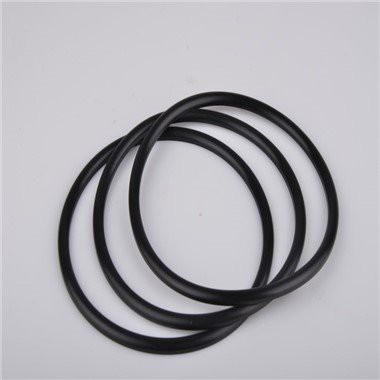

Accurately measuring the dimensions of a rubber D ring seal is crucial for ensuring its proper fit and functionality in various applications. As a supplier of rubber D ring seals, I understand the significance of precise measurements in meeting the diverse needs of our customers. In this blog post, I will share some effective methods and tips on how to measure the dimensions of a rubber D ring seal accurately.
Understanding the Key Dimensions of a Rubber D Ring Seal
Before we delve into the measurement process, it's essential to understand the key dimensions of a rubber D ring seal. A typical rubber D ring seal has the following dimensions:
- Outer Diameter (OD): This is the measurement of the outermost circle of the D ring seal. It determines the overall size of the seal and is crucial for ensuring a proper fit within the housing or groove.
- Inner Diameter (ID): The inner diameter is the measurement of the innermost circle of the D ring seal. It is important for applications where the seal needs to fit around a shaft or a rod.
- Cross-Sectional Diameter (CSD): The cross-sectional diameter refers to the thickness of the rubber material that makes up the D ring seal. It affects the sealing performance and the amount of compression required for a proper seal.
Tools Required for Measuring Rubber D Ring Seals
To measure the dimensions of a rubber D ring seal accurately, you will need the following tools:
- Vernier Caliper: A vernier caliper is a precision measuring instrument that can measure both internal and external dimensions with high accuracy. It is ideal for measuring the outer diameter, inner diameter, and cross-sectional diameter of a rubber D ring seal.
- Micrometer: A micrometer is another precision measuring tool that can provide even more accurate measurements than a vernier caliper. It is particularly useful for measuring the cross-sectional diameter of a rubber D ring seal.
- Ruler or Tape Measure: A ruler or tape measure can be used for measuring larger rubber D ring seals or for getting a rough estimate of the dimensions. However, it is not as accurate as a vernier caliper or micrometer.
Measuring the Outer Diameter (OD)
The outer diameter of a rubber D ring seal can be measured using a vernier caliper or a micrometer. Here's how:
- Open the jaws of the vernier caliper or micrometer: Make sure the jaws are clean and free from any debris.
- Place the D ring seal between the jaws: Gently close the jaws until they touch the outer surface of the D ring seal. Make sure the seal is centered between the jaws.
- Read the measurement: Read the measurement on the scale of the vernier caliper or micrometer. Make sure to take the measurement at the widest point of the D ring seal.
Measuring the Inner Diameter (ID)
The inner diameter of a rubber D ring seal can also be measured using a vernier caliper or a micrometer. Here's how:
- Open the jaws of the vernier caliper or micrometer: Insert the jaws into the inner opening of the D ring seal.
- Expand the jaws until they touch the inner surface: Gently expand the jaws until they make contact with the inner surface of the D ring seal. Make sure the seal is centered between the jaws.
- Read the measurement: Read the measurement on the scale of the vernier caliper or micrometer. Make sure to take the measurement at the widest point of the inner opening.
Measuring the Cross-Sectional Diameter (CSD)
The cross-sectional diameter of a rubber D ring seal can be measured using a micrometer. Here's how:


- Open the jaws of the micrometer: Make sure the jaws are clean and free from any debris.
- Place the D ring seal between the jaws: Gently close the jaws until they touch the cross-sectional surface of the D ring seal. Make sure the seal is centered between the jaws.
- Read the measurement: Read the measurement on the scale of the micrometer. Make sure to take the measurement at the thickest point of the cross-sectional surface.
Tips for Accurate Measurements
To ensure accurate measurements of rubber D ring seals, here are some tips to keep in mind:
- Use the right tools: As mentioned earlier, using a vernier caliper or a micrometer is essential for accurate measurements. Avoid using a ruler or tape measure for precise measurements.
- Clean the tools: Before taking any measurements, make sure the tools are clean and free from any debris. This will ensure accurate readings.
- Take multiple measurements: To ensure accuracy, take multiple measurements at different points of the D ring seal and calculate the average. This will help to account for any variations in the dimensions.
- Measure at room temperature: Rubber materials can expand or contract depending on the temperature. To ensure accurate measurements, measure the D ring seal at room temperature.
- Be gentle: When measuring the D ring seal, be gentle to avoid deforming the rubber material. This will ensure accurate measurements.
Importance of Accurate Measurements
Accurate measurements of rubber D ring seals are essential for several reasons:
- Proper Fit: Accurate measurements ensure that the D ring seal fits properly within the housing or groove. This is crucial for preventing leaks and ensuring the proper functioning of the sealing system.
- Sealing Performance: The cross-sectional diameter of the D ring seal affects its sealing performance. Accurate measurements ensure that the seal has the right amount of compression to provide an effective seal.
- Compatibility: Different applications require different dimensions of rubber D ring seals. Accurate measurements ensure that the seal is compatible with the specific application.
Conclusion
Accurately measuring the dimensions of a rubber D ring seal is crucial for ensuring its proper fit and functionality in various applications. By using the right tools and following the tips outlined in this blog post, you can measure the outer diameter, inner diameter, and cross-sectional diameter of a rubber D ring seal with high accuracy.
As a supplier of rubber D ring seals, we offer a wide range of D Ring for Flat Rubber Straps and Custom Rubber D Ring options to meet your specific needs. Our rubber D ring seals are also suitable for Rubber D-ring As Sealing Application.
If you have any questions or need assistance with measuring or selecting the right rubber D ring seal for your application, please feel free to contact us. We are here to help you find the perfect sealing solution for your needs.
References
- ASTM D1414 - Standard Test Methods for Rubber O - Rings
- ISO 3601 - International Standard for Pneumatic and Hydraulic Fluid Power - O - Rings