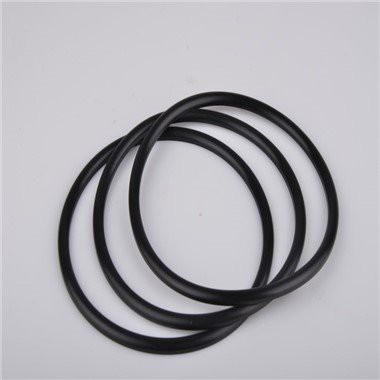

How to avoid deformation of a rubber D ring seal?
As a reliable Rubber D Ring Seal supplier, I understand the critical role that these seals play in various industries. The integrity of a rubber D ring seal is paramount to its performance, and deformation can lead to significant issues such as leakage, reduced efficiency, and costly downtime. In this blog post, I'll share some key strategies on how to avoid the deformation of rubber D ring seals, based on our extensive experience in the field.
Understanding the Causes of Deformation
Before we delve into prevention methods, it's essential to understand what causes rubber D ring seals to deform. Several factors can contribute to this problem, including:


- Temperature variations: Rubber is a material that can expand or contract with temperature changes. Extreme heat can cause the rubber to soften and lose its shape, while extreme cold can make it brittle and prone to cracking.
- Chemical exposure: Exposure to certain chemicals can degrade the rubber, causing it to swell, harden, or become brittle. This degradation can lead to deformation over time.
- Pressure: Excessive pressure can compress the rubber D ring seal, causing it to deform and lose its sealing properties. This is particularly common in high-pressure applications.
- Improper installation: If the rubber D ring seal is not installed correctly, it can be subjected to uneven stress, leading to deformation. This can include installing the seal in a groove that is too large or too small, or using the wrong installation tools.
Selecting the Right Rubber Material
One of the most important steps in avoiding deformation is selecting the right rubber material for the application. Different rubber compounds have different properties, such as temperature resistance, chemical resistance, and hardness. Here are some common rubber materials used for D ring seals and their characteristics:
- Nitrile rubber (NBR): This is a popular choice for general-purpose applications due to its good resistance to oil, fuel, and other hydrocarbons. It has a moderate temperature range and is relatively inexpensive.
- Ethylene propylene diene monomer (EPDM): EPDM is known for its excellent resistance to weather, ozone, and steam. It has a wide temperature range and is often used in outdoor and automotive applications.
- Fluoroelastomer (FKM): FKM offers outstanding resistance to high temperatures, chemicals, and fuels. It is commonly used in aerospace, automotive, and chemical processing industries.
- Silicone rubber: Silicone rubber has excellent flexibility and temperature stability. It is often used in applications where a high degree of flexibility is required, such as in medical devices and food processing equipment.
When selecting a rubber material, consider the operating conditions of the application, including temperature, pressure, and chemical exposure. Consult with a rubber expert or refer to the material's technical data sheet to ensure that it is suitable for your specific needs.
Proper Installation Techniques
Proper installation is crucial to preventing deformation of rubber D ring seals. Here are some key installation tips to keep in mind:
- Clean the mating surfaces: Before installing the seal, ensure that the mating surfaces are clean and free of dirt, debris, and oil. This will help to ensure a good seal and prevent damage to the rubber.
- Use the correct installation tools: Use the appropriate installation tools to avoid damaging the seal. For example, use a smooth, rounded tool to insert the seal into the groove, and avoid using sharp or pointed tools that could cut or tear the rubber.
- Install the seal in the correct orientation: Make sure that the seal is installed in the correct orientation, as specified by the manufacturer. This will ensure that the seal functions properly and provides an effective seal.
- Avoid overstretching the seal: Do not overstretch the seal during installation, as this can cause it to deform and lose its sealing properties. Follow the manufacturer's recommended installation procedures to ensure that the seal is installed correctly.
Maintaining Optimal Operating Conditions
Once the rubber D ring seal is installed, it's important to maintain optimal operating conditions to prevent deformation. Here are some tips to help you maintain the integrity of the seal:
- Monitor temperature and pressure: Regularly monitor the temperature and pressure of the system to ensure that they are within the recommended range for the seal. If the temperature or pressure exceeds the recommended limits, take steps to reduce them to prevent damage to the seal.
- Avoid chemical exposure: If the seal is exposed to chemicals, make sure that they are compatible with the rubber material. If necessary, use a chemical-resistant coating or protective cover to prevent damage to the seal.
- Perform regular inspections: Regularly inspect the seal for signs of wear, damage, or deformation. If you notice any issues, replace the seal immediately to prevent further damage to the system.
Customization for Specific Applications
In some cases, off-the-shelf Rubber D Ring Seals may not meet the specific requirements of an application. That's where customization comes in. As a Rubber D Ring Seal supplier, we offer Custom Rubber D Ring services to meet the unique needs of our customers.
Our team of experts can work with you to design and manufacture custom D ring seals that are tailored to your specific application. We can select the right rubber material, adjust the dimensions, and incorporate special features to ensure that the seal performs optimally in your operating conditions.
Conclusion
Avoiding deformation of rubber D ring seals is essential for ensuring the reliability and performance of your equipment. By understanding the causes of deformation, selecting the right rubber material, using proper installation techniques, maintaining optimal operating conditions, and considering customization options, you can minimize the risk of seal deformation and extend the lifespan of your seals.
If you're in need of high-quality Rubber D Ring Seals or have any questions about preventing seal deformation, please don't hesitate to contact us. We're here to help you find the right sealing solutions for your application. Visit our website Rubber D Ring Seal to learn more about our products and Rubber D-ring As Sealing Application to explore the various uses of D ring seals.
Let's start a conversation about your sealing needs and find the best solution together.
References
- "Rubber Sealing Technology Handbook", 3rd Edition, Author: John G. Liphard
- "Seals and Sealing Handbook", Author: David Sims
- Technical Data Sheets of Rubber Materials from Major Manufacturers