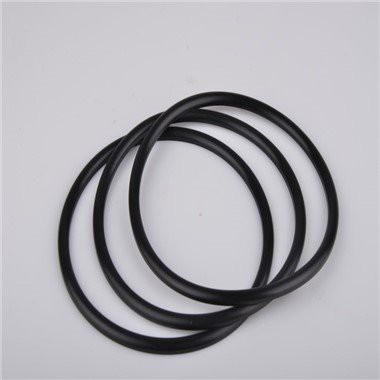

As a seasoned supplier of rubber V-rings, I understand the critical importance of correctly installing these essential sealing components. A rubber V-ring, also known as a V-shaped rubber ring, plays a pivotal role in various industrial applications, providing a reliable seal against contaminants, lubricants, and other fluids. However, determining the correct installation direction of a rubber V-ring can be a challenging task, especially for those new to the field. In this blog post, I will share some valuable insights and practical tips on how to determine the correct installation direction of a rubber V-ring, ensuring optimal performance and longevity.
Understanding the Basics of Rubber V-Rings
Before delving into the installation process, it is essential to have a basic understanding of rubber V-rings. These seals are typically made from high-quality rubber materials, such as nitrile rubber, silicone rubber, or fluorocarbon rubber, which offer excellent resistance to heat, chemicals, and abrasion. The V-shaped design of the ring allows it to conform to the shape of the shaft or housing, creating a tight seal that prevents leakage and contamination.
Rubber V-rings are commonly used in a variety of applications, including automotive, aerospace, machinery, and hydraulic systems. They are often installed on rotating shafts to prevent the ingress of dirt, dust, water, and other contaminants, as well as to retain lubricants and prevent leakage.
Factors to Consider When Determining the Installation Direction
Several factors need to be considered when determining the correct installation direction of a rubber V-ring. These factors include the application requirements, the type of fluid being sealed, the direction of rotation, and the design of the V-ring itself.
Application Requirements
The first step in determining the installation direction is to understand the specific requirements of the application. Consider the type of equipment, the operating conditions, and the performance expectations. For example, in a high-speed rotating application, the V-ring may need to be installed in a way that minimizes friction and heat generation. In contrast, in a static application where the primary concern is preventing leakage, the installation direction may be less critical.
Type of Fluid Being Sealed
The type of fluid being sealed is another important factor to consider. Different rubber materials have varying levels of resistance to different fluids. For example, nitrile rubber is commonly used for sealing oil and grease, while silicone rubber is more suitable for sealing water and certain chemicals. The installation direction may need to be adjusted based on the compatibility of the rubber material with the fluid being sealed.
Direction of Rotation
The direction of rotation of the shaft or housing is a crucial factor in determining the installation direction of the V-ring. In most cases, the V-ring should be installed so that the open end of the V faces the direction of rotation. This allows the V-ring to ride on the shaft or housing, creating a dynamic seal that effectively prevents leakage. However, in some applications where the direction of rotation is variable or bidirectional, a special design of the V-ring or a different installation method may be required.
Design of the V-Ring
The design of the V-ring itself can also influence the installation direction. Some V-rings are designed with a specific lip orientation or a built-in feature to indicate the correct installation direction. It is important to carefully examine the V-ring and follow the manufacturer's instructions to ensure proper installation.
Practical Tips for Determining the Installation Direction
In addition to considering the factors mentioned above, here are some practical tips to help you determine the correct installation direction of a rubber V-ring:


Read the Manufacturer's Instructions
The manufacturer's instructions are the most reliable source of information regarding the installation of a rubber V-ring. They usually provide detailed guidance on the correct installation direction, as well as any special requirements or precautions. Make sure to read the instructions carefully before installing the V-ring.
Examine the V-Ring
Carefully examine the V-ring to look for any markings or features that indicate the correct installation direction. Some V-rings may have an arrow or a label that shows the direction of rotation or the orientation of the lips. If there are no obvious markings, look for the V-ring's cross-sectional shape and the way the lips are designed.
Consider the Seal's Function
Think about the primary function of the V-ring in the application. Is it to prevent leakage of a fluid, to keep out contaminants, or both? If the main purpose is to prevent leakage, the V-ring should be installed so that the lips are in contact with the surface that needs to be sealed. If the goal is to keep out contaminants, the V-ring should be installed to create a barrier against the entry of dirt, dust, or water.
Test the Installation
After installing the V-ring, it is a good idea to perform a test to ensure that it is functioning correctly. This can involve running the equipment for a short period of time and checking for any signs of leakage or contamination. If any issues are detected, the installation may need to be adjusted or the V-ring replaced.
Conclusion
Determining the correct installation direction of a rubber V-ring is a crucial step in ensuring its optimal performance and longevity. By considering the application requirements, the type of fluid being sealed, the direction of rotation, and the design of the V-ring, you can make an informed decision about the installation direction. Additionally, following the manufacturer's instructions, examining the V-ring carefully, and performing a test can help you ensure a successful installation.
As a supplier of high-quality V Ring Rubber Seals, Rubber Silicone V-ring, and V Shaped Rubber Rings, we are committed to providing our customers with the best products and technical support. If you have any questions or need assistance with determining the correct installation direction of a rubber V-ring, please do not hesitate to contact us. We look forward to the opportunity to discuss your needs and how our products can meet them.
References
- Sealing Technology Handbook.
This blog post is written based on the real - world knowledge and experience of dealing with rubber V - rings as a supplier.