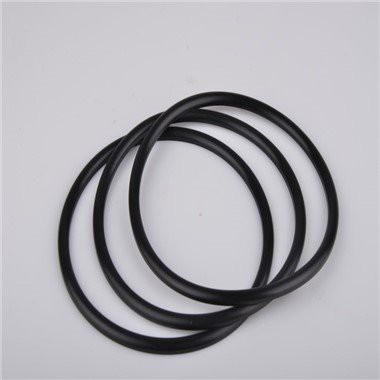

Maintaining Rubber X - rings is a critical aspect for various industries that rely on these essential sealing components. As a reputable Rubber X - ring supplier, I understand the nuances of ensuring their longevity and optimal performance. In this blog, I will delve into the importance of proper maintenance, provide useful tips based on scientific knowledge, and highlight how you can benefit from our high - quality products.
Why Maintenance of Rubber X - rings Matters
Rubber X - rings, also known as Quad - rings, are widely used in different applications, including automotive engines, hydraulic systems, and industrial machinery. Their main function is to prevent the leakage of fluids, whether it's oil, water, or gas, and maintain the integrity of a sealed environment. Failure to maintain Rubber X - rings can lead to costly consequences. For instance, in a hydraulic system, a damaged X - ring can cause a loss of pressure, resulting in reduced efficiency and potentially expensive repairs. In an automotive engine, a faulty X - ring can lead to oil leaks, which not only waste resources but can also damage engine components over time.
Understanding the Material Properties of Rubber X - rings
Before we discuss maintenance strategies, it's important to understand the material properties of Rubber X - rings. These rings are typically made from synthetic rubbers such as Nitrile (NBR), Viton (FKM), and EPDM. Each material has its own set of characteristics.
Nitrile rubber is known for its excellent resistance to oil and fuel, making it a popular choice in automotive and industrial applications. It has a good balance of physical properties, including abrasion resistance and flexibility. Viton, on the other hand, offers superior resistance to high temperatures and chemicals. This makes it suitable for applications in harsh environments, such as chemical processing plants. EPDM rubber has excellent weather resistance and is often used in outdoor applications and in contact with water.
The choice of material affects how the X - ring should be maintained. For example, a Viton X - ring exposed to high - temperature environments may require different care compared to a Nitrile X - ring used in an oil - filled system.
Storage of Rubber X - rings
Proper storage is the first step in maintaining Rubber X - rings. When these rings are stored incorrectly, they can be susceptible to damage even before they are installed.
- Temperature and Humidity: Rubber X - rings should be stored in a cool, dry place. High temperatures can cause the rubber to degrade and lose its elasticity, while high humidity can lead to mold growth and corrosion. A temperature range of 20 - 25°C (68 - 77°F) and a relative humidity of less than 60% is ideal for most rubber materials.
- Protection from Light and Ozone: Both light and ozone can have a detrimental effect on rubber. Ultraviolet (UV) light from the sun can cause the rubber to harden and crack over time. Ozone, which is present in the atmosphere, can react with the double bonds in the rubber polymer, leading to cracking. Therefore, X - rings should be stored in opaque containers or cabinets to shield them from light and ozone exposure.
- Avoiding Compression and Deformation: X - rings should not be stored in a way that causes them to be compressed or deformed. This can lead to permanent changes in their shape and sealing properties. They can be stored on hooks, rods, or in trays with individual compartments to keep them in their original shape.
Installation Considerations for Rubber X - rings
Proper installation is crucial for the long - term performance of Rubber X - rings. Incorrect installation can cause immediate damage to the ring and lead to premature failure.


- Cleanliness: Before installation, ensure that all mating surfaces are clean and free from debris, dirt, and old sealant. Any foreign particles can cause scratches on the X - ring, compromising its sealing ability. Use a suitable cleaning agent that is compatible with the rubber material to clean the surfaces.
- Lubrication: Applying a thin layer of compatible lubricant to the X - ring before installation can reduce friction and make the installation process smoother. However, it's important to use a lubricant that is compatible with the rubber material. For example, silicone - based lubricants are often used with many rubber materials, but they may not be suitable for some applications due to potential chemical incompatibilities.
- Proper Fit: Check that the X - ring has the correct dimensions for the application. Using an X - ring that is too large or too small can lead to improper sealing. Measure the groove dimensions accurately to ensure a proper fit. If necessary, consult the technical specifications provided by the manufacturer.
In - Use Maintenance of Rubber X - rings
Once the Rubber X - rings are installed, regular in - use maintenance is necessary to ensure their continued performance.
- Visual Inspection: Periodically inspect the X - rings for signs of wear, cracking, swelling, or other damage. Look for any signs of leakage around the sealing area. Early detection of problems can prevent more serious issues from developing.
- Monitoring Operating Conditions: Keep an eye on the operating conditions of the equipment where the X - rings are used. Changes in temperature, pressure, or chemical exposure can affect the performance of the X - rings. If there are significant changes, it may be necessary to take additional measures, such as increasing the inspection frequency or replacing the X - rings sooner.
- Fluid Compatibility: Ensure that the fluids in contact with the X - rings are compatible with the rubber material. Some chemicals can cause the rubber to swell, harden, or dissolve. If there are changes in the fluid composition, consult with the manufacturer or an expert to determine if the existing X - rings are still suitable.
Recommended Maintenance Schedule
The following is a general maintenance schedule based on common industrial practices. However, it's important to note that the specific requirements may vary depending on the application and operating conditions.
- Monthly Checks: Conduct visual inspections of the X - rings to check for any visible signs of damage or wear. If possible, operate the equipment briefly to check for any signs of leakage.
- Quarterly Checks: In addition to visual inspections, measure the dimensions of the X - rings to detect any changes. Check the compatibility of the fluids in contact with the X - rings and ensure that they are within the recommended range.
- Annual Replacements: Depending on the application and the severity of the operating conditions, it may be necessary to replace the X - rings annually. This helps to ensure the continued reliability of the sealing system.
Our Advantage as a Rubber X - ring Supplier
As a leading Rubber X - ring supplier, we offer a wide range of products made from high - quality materials. Our X - rings are manufactured using advanced production techniques to ensure consistent quality and performance. We also provide comprehensive technical support to help you choose the right X - ring for your application and offer advice on proper maintenance.
We understand that different industries have different requirements. For the automotive industry, where reliability and durability are crucial, we offer X - rings with excellent oil resistance and mechanical properties. For the chemical industry, we provide X - rings made from chemically resistant materials such as Viton.
To learn more about our X - ring products, you can visit the following links: X Ring Rubber Bullets and O - ring X - ring Rubber.
Contact Us for Procurement and Technical Support
If you are in need of high - quality Rubber X - rings or have any questions about their maintenance, we encourage you to contact us. Our experienced team is ready to assist you in finding the best solutions for your sealing needs. Whether you are a large - scale manufacturer or a small - business owner, we can provide you with the right products at competitive prices.
References
- Brown, W. L. (2014). Sealing Technology Handbook. Elsevier.
- Oberg, E., Jones, F. D., Horton, H. L., & Ryffel, H. H. (2016). Machinery's Handbook. Industrial Press Inc.