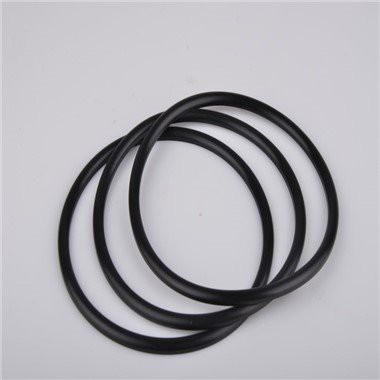

As a supplier of Rubber D - rings, one question that frequently arises in the industry is whether rubber D - rings are resistant to ozone. Ozone, a highly reactive form of oxygen, can have a significant impact on the performance and lifespan of rubber products. In this blog post, we'll explore the relationship between rubber D - rings and ozone, examining the factors that affect their ozone resistance and sharing insights on ensuring the long - term effectiveness of these essential components.
Understanding Ozone and Its Effects on Rubber
Ozone, with the chemical formula O₃, is a naturally occurring gas that exists in the Earth's atmosphere. In the stratosphere, it forms the ozone layer, which protects the planet from harmful ultraviolet radiation. However, at ground - level, ozone is considered a pollutant and can be generated by various sources, such as industrial processes, vehicle emissions, and electrical equipment.
When rubber comes into contact with ozone, it can trigger a process known as ozone cracking. Ozone is a powerful oxidizing agent, and it attacks the double bonds in rubber polymers. This chemical reaction weakens the molecular structure of the rubber, leading to the formation of cracks on the surface of the material. Over time, these cracks can grow deeper and wider, ultimately compromising the integrity of the rubber D - ring and reducing its effectiveness as a sealing component.
Factors Affecting the Ozone Resistance of Rubber D - Rings
The ozone resistance of rubber D - rings is influenced by several factors, including the type of rubber used, the environmental conditions, and the design and formulation of the D - ring itself.
Type of Rubber
Different types of rubber have varying levels of ozone resistance. For example, natural rubber (NR) is highly susceptible to ozone attack and has poor ozone resistance. When exposed to ozone, natural rubber D - rings will quickly develop cracks, even at low ozone concentrations.
On the other hand, synthetic rubbers such as ethylene propylene diene monomer (EPDM), nitrile butadiene rubber (NBR), and fluorocarbon rubber (FKM) offer better ozone resistance. EPDM, in particular, is well - known for its excellent ozone resistance. It contains saturated polymer backbones, which are less reactive with ozone compared to the unsaturated backbones in natural rubber. This makes EPDM D - rings a popular choice for applications where ozone exposure is a concern, such as outdoor environments or industrial settings with high levels of air pollution.
NBR has fair to good ozone resistance, especially when it is blended with other polymers or if anti - ozone additives are incorporated into its formulation. FKM, also known as Viton, is extremely resistant to ozone and a wide range of other chemicals. It is often used in high - performance applications where the rubber D - ring needs to withstand harsh environmental conditions, including high ozone levels.
Environmental Conditions
The concentration of ozone in the environment plays a crucial role in determining the rate of ozone cracking. Higher ozone concentrations will accelerate the degradation process. In addition to ozone concentration, factors such as temperature, humidity, and mechanical stress also affect the ozone resistance of rubber D - rings.
Higher temperatures generally increase the reaction rate between ozone and rubber, leading to faster crack growth. Humidity can also have an impact, as it may influence the chemical reactions involved in ozone cracking. Mechanical stress, such as stretching or bending, can further exacerbate the problem. When a rubber D - ring is under stress, the surface area exposed to ozone increases, and cracks are more likely to initiate and propagate.
Design and Formulation
The design and formulation of rubber D - rings can also enhance their ozone resistance. Adding anti - ozone agents, such as para - phenylenediamines, to the rubber compound can provide a protective layer that prevents ozone from reacting with the rubber polymer. These anti - ozone agents react with ozone preferentially, creating a barrier that shields the rubber from direct attack.
In addition, proper manufacturing processes can ensure a uniform and strong structure for the D - ring. A well - cured rubber D - ring with consistent properties throughout its cross - section is more likely to resist ozone damage.
Applications and Requirements for Ozone - Resistant Rubber D - Rings
Ozone - resistant rubber D - rings are essential in many applications. In outdoor environments, such as automotive, construction, and agricultural equipment, D - rings are exposed to sunlight, air pollutants, and varying weather conditions. Ozone in the atmosphere can cause premature failure of non - resistant D - rings, leading to leaks and reduced equipment performance. For example, in automotive applications, rubber D - rings are used in engine gaskets, seals for air intake systems, and hoses. If these D - rings are not ozone - resistant, they can crack and allow air, fluids, or contaminants to enter or escape, affecting the engine's efficiency and reliability.
In industrial settings, factories often generate ozone as a by - product of manufacturing processes. Rubber D - rings used in machinery, piping systems, and electrical equipment in these environments need to be ozone - resistant to ensure long - term operation. For instance, in chemical processing plants, D - rings are used in pumps, valves, and reactors. These D - rings must withstand the harsh chemicals and ozone present in the plant to prevent leaks and maintain the integrity of the system.
If you are looking for Custom Rubber D Ring that can meet specific ozone - resistant requirements for your applications, we can provide tailored solutions. Our expertise in rubber compounding and manufacturing allows us to develop D - rings with the right balance of properties, ensuring optimal performance in your unique environment.
Testing the Ozone Resistance of Rubber D - Rings
To ensure the quality and ozone resistance of rubber D - rings, various testing methods are available. One common method is the ozone chamber test. In this test, rubber samples are placed in a chamber where the ozone concentration, temperature, and humidity are carefully controlled. The samples are also subjected to mechanical stress, such as stretching, to simulate real - world conditions. The specimens are then observed over a period of time for the formation and growth of ozone cracks.
The ASTM D1149 standard is widely used in the industry for conducting ozone exposure tests on rubber. This standard specifies the test conditions, including the ozone concentration, temperature, exposure time, and measurement of crack development. By adhering to these standards, we can accurately evaluate the ozone resistance of our rubber D - rings and provide reliable products to our customers.
Ensuring Long - Term Ozone Resistance
To ensure the long - term ozone resistance of rubber D - rings in your applications, several steps can be taken:


- Choose the Right Rubber Material: Select a rubber type with appropriate ozone resistance based on your specific application requirements. If you are unsure which material is best, our technical team can provide guidance and recommend the most suitable option.
- Optimize Design and Formulation: Work with a supplier who has expertise in rubber compounding and can incorporate anti - ozone additives into the D - ring formulation. A well - designed D - ring with the right cross - section and dimensions can also improve its performance and durability.
- Control the Environment: Whenever possible, try to reduce the exposure of rubber D - rings to high ozone concentrations. This can be achieved by using ventilation systems, installing air filters, or protecting the D - rings with covers or enclosures.
- Regular Inspection and Maintenance: Establish a regular inspection schedule to check the condition of rubber D - rings. Replace any D - rings that show signs of ozone cracking or other damage promptly to prevent further issues.
Conclusion
In summary, the ozone resistance of rubber D - rings depends on multiple factors, including the type of rubber, environmental conditions, and design and formulation. By understanding these factors and taking appropriate measures, we can ensure the long - term effectiveness of rubber D - rings in applications where ozone exposure is a concern.
As a professional Rubber D - ring supplier, we are committed to providing high - quality Rubber D Ring Seal and Rubber D - ring As Sealing Application solutions. Our products are designed to meet the diverse needs of our customers and offer excellent performance in various environments.
If you are in need of ozone - resistant rubber D - rings for your projects, we invite you to contact us for a purchase consultation. Our team of experts will be happy to discuss your specific requirements and provide you with the best solutions for your applications.
References
- ASTM D1149 - Standard Test Method for Rubber Deterioration—Surface Cracking in an Ozone - Controlled Environment
- Morton, M. "Rubber Technology." Kluwer Academic Publishers, 1993.
- Eichhorn, R. "The Chemistry and Physics of Rubber - like Substances." Chapman & Hall, 1964.