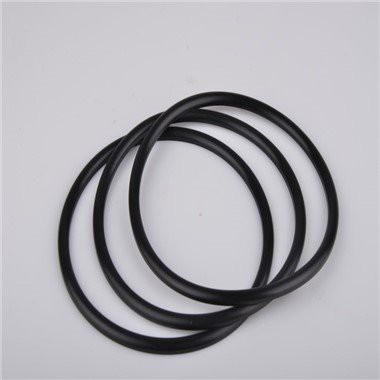

In the industrial landscape, rubber components play a pivotal role, especially when it comes to sealing applications. Among these, molded rubber rings are essential. As a trusted molded rubber ring provider, one of the most common questions I encounter is whether molded rubber rings are resistant to fuel. In this blog post, I aim to provide a comprehensive answer to that question, drawing on both scientific knowledge and our experience in the field.
The Basics of Molded Rubber Rings
Molded rubber rings are fabricated through a meticulous process that involves shaping rubber materials into circular forms using specialized molds. This manufacturing technique allows for precise control over the ring's dimensions, shape, and properties, ensuring a consistent and reliable product. These rings are used in a wide range of industries, including automotive, aerospace, marine, and manufacturing, to seal joints and prevent the leakage of fluids or gases.
The type of rubber used in the mold is a critical factor affecting the ring's performance. Different rubber compounds possess unique chemical and physical properties, making them suitable for specific applications. Some common rubber materials include Nitrile Butadiene Rubber (NBR), Ethylene Propylene Diene Monomer (EPDM), Fluoroelastomers (FKM), and Silicone Rubber. Each of these materials offers distinct advantages and limitations in terms of fuel resistance, temperature tolerance, and durability.
Fuel Resistance of Various Rubber Compounds
Nitrile Butadiene Rubber (NBR)
NBR is one of the most widely used rubber materials for fuel applications due to its excellent resistance to a variety of fuels, including gasoline, diesel, and oil. This is because NBR has a high level of acrylonitrile content, which enhances its resistance to swelling and degradation when exposed to fuel. The higher the acrylonitrile content, the better the fuel resistance. NBR is also known for its good mechanical properties, such as high tensile strength and abrasion resistance, making it suitable for use in demanding environments. For these reasons, NBR molded rubber rings are often used in automotive fuel systems, such as fuel pumps, carburetors, and fuel injectors.
Ethylene Propylene Diene Monomer (EPDM)
EPDM offers good resistance to a wide range of fuels, such as biofuels and some automotive fuels, particularly when blended with other polymers for enhanced properties. It is also known for its excellent weatherability, resistance to ozone, and electrical insulation properties. However, EPDM is less resistant to hydrocarbons and aromatic fuels compared to NBR, so it may not be the best choice for applications involving pure gasoline or diesel. For example, EPDM rings might be used in biofuel storage systems or in automotive applications where exposure to fuel is limited.
Fluoroelastomers (FKM)
FKM is perhaps the most fuel-resistant rubber material available. It offers exceptional resistance to a wide range of fuels, including high-octane gasoline, jet fuel, and aggressive chemicals. FKM also has excellent high-temperature resistance, making it suitable for use in applications where the fuel may reach high temperatures, such as in aerospace and high-performance automotive engines. However, FKM is more expensive than other rubber materials, which limits its use in some cost-sensitive applications.
Silicone Rubber
Silicone rubber has good resistance to some fuels, such as certain types of aviation fuels and some synthetic lubricants. It is also known for its excellent flexibility, high-temperature stability, and low compression set. However, silicone rubber is generally less resistant to hydrocarbon fuels compared to NBR and FKM. It may swell or degrade when exposed to certain fuels, so it is typically used in applications where fuel exposure is limited or where its other properties, such as flexibility and high-temperature resistance, are more important.
Factors Affecting Fuel Resistance of Molded Rubber Rings
Fuel Composition
The chemical composition of the fuel plays a significant role in determining the resistance of molded rubber rings. Fuels can contain a variety of additives, detergents, and contaminants, which can affect the rubber's properties. For example, the presence of ethanol in gasoline can increase the polarity of the fuel, which can cause some rubber materials, such as NBR, to swell. Additionally, some fuels may contain aggressive chemicals, such as sulfur compounds or oxidizing agents, which can degrade the rubber over time.
Temperature
Temperature is another critical factor that affects the fuel resistance of molded rubber rings. High temperatures can accelerate the chemical reactions between the fuel and the rubber, leading to increased swelling, degradation, and loss of mechanical properties. Conversely, low temperatures can cause the rubber to become brittle and lose its elasticity, making it more prone to cracking and leakage. Therefore, it is essential to select a rubber material that can withstand the temperature range expected in the application.


Exposure Time
The length of time the rubber ring is exposed to the fuel also affects its resistance. Prolonged exposure to fuel can cause the rubber to absorb the fuel, leading to swelling and softening. Over time, this can result in a loss of mechanical properties and a decrease in the ring's sealing performance. Therefore, it is important to consider the expected service life of the rubber ring when selecting a material and designing the application.
Applications and Considerations
In the automotive industry, molded rubber rings are used in fuel systems to ensure the proper functioning of engines and prevent fuel leakage. As a molded rubber ring provider, we understand the importance of fuel resistance in these applications. For example, in fuel injection systems, where high-pressure fuel is delivered to the engine, NBR or FKM rubber rings are commonly used due to their excellent fuel resistance and mechanical properties. These rings help to maintain the integrity of the fuel system and prevent fuel from leaking into the engine compartment, which could pose a safety hazard.
In the aerospace industry, where safety and reliability are of utmost importance, FKM rubber rings are often used in fuel systems due to their exceptional fuel resistance and high-temperature performance. These rings are used in aircraft engines, fuel tanks, and fuel lines to prevent fuel leakage and ensure the safe operation of the aircraft. Learn more about our OEM Seal Ring options tailored for such high - performance applications.
In the marine industry, molded rubber rings are used in fuel systems, engines, and other equipment to prevent fuel leakage and protect against corrosion. EPDM rubber rings are a popular choice in marine applications due to their good resistance to water, saltwater, and some fuels. They are also resistant to weathering and UV radiation, making them suitable for use in harsh marine environments.
When considering the use of molded rubber rings in fuel applications, it is important to work with a knowledgeable supplier who can provide guidance on material selection, design, and testing. At our company, we have extensive experience in providing molded rubber rings for a variety of fuel applications. We offer a wide range of rubber materials, including NBR, EPDM, FKM, and silicone rubber, and we can customize the rings to meet your specific requirements.
If you are looking for Rubber Square Ring or Customized Rubber Ring solutions for your fuel applications, we are here to help. Our team of experts can assist you in selecting the right material and design to ensure the optimal performance of your rubber rings in fuel environments.
Conclusion
In conclusion, the fuel resistance of molded rubber rings depends on several factors, including the type of rubber material, fuel composition, temperature, and exposure time. Different rubber compounds offer varying levels of fuel resistance, and it is essential to select the appropriate material for your specific application. As a molded rubber ring provider, we are committed to providing high-quality products that meet the demanding requirements of fuel applications. Whether you need a standard rubber ring or a customized solution, we have the expertise and resources to deliver the right product for your needs.
If you are interested in learning more about our molded rubber rings or need assistance with a fuel - related application, please do not hesitate to contact us. Our team of professionals is ready to engage in a helpful discussion with you about your needs and provide you with a tailored solution.
References
- ASTM International. (20XX). Standard test methods for rubber property — Resistance to liquids.
- Rubber Manufacturing and Technology Association. (20XX). Handbook of Rubber Materials and Their Applications.
- Automotive Industry Standards Organization. (20XX). Guidelines for Fuel System Sealing Components.