
Are rubber D ring seals resistant to mold?
As a supplier of Rubber D Ring Seals, I often encounter inquiries from customers regarding the mold resistance of these seals. Mold can be a significant concern in various applications, especially in environments with high humidity or where the seals are exposed to moisture for extended periods. In this blog post, I will delve into the factors that affect the mold resistance of rubber D ring seals and provide insights into how to ensure their performance in mold - prone conditions.
Understanding Rubber D Ring Seals
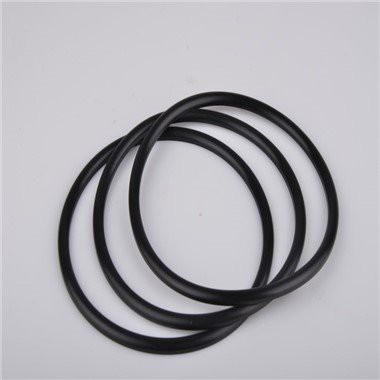
Rubber D ring seals are a type of sealing component widely used in different industries due to their unique shape and sealing properties. The "D" shape allows for effective sealing in a variety of applications, including automotive, plumbing, and industrial machinery. They are made from different types of rubber materials, such as nitrile rubber (NBR), silicone rubber, and EPDM rubber. Each material has its own set of characteristics, which can influence its resistance to mold.
The properties of rubber D ring seals make them suitable for use in many applications. For instance, they can provide a tight seal against liquids and gases, preventing leakage and ensuring the proper functioning of the equipment. To learn more about Rubber D Ring Seals and their applications, you can visit Rubber D Ring Seal.
Factors Affecting Mold Resistance
- Rubber Material Composition
- Different rubber materials have varying degrees of resistance to mold. For example, silicone rubber is known for its excellent resistance to mold and mildew. Silicone has a low surface energy, which makes it difficult for mold spores to adhere to the surface. Additionally, silicone rubber has good chemical stability, which can resist the growth - promoting effects of various environmental factors.
- On the other hand, nitrile rubber (NBR) is more prone to mold growth compared to silicone. NBR contains organic compounds that can serve as a food source for mold. However, with proper additives and treatments, the mold resistance of NBR can be improved.
- EPDM rubber also offers relatively good mold resistance. It has a high level of saturation in its molecular structure, which makes it less susceptible to degradation by mold and other environmental factors.
- Environmental Conditions
- Humidity is one of the most critical factors affecting mold growth on rubber D ring seals. High humidity levels provide the moisture that mold needs to thrive. In environments where the relative humidity exceeds 60%, the risk of mold growth increases significantly.
- Temperature also plays a role. Mold typically grows best in warm temperatures, usually between 20 - 30 degrees Celsius. If rubber D ring seals are exposed to these temperature ranges for long periods in a humid environment, the likelihood of mold growth is higher.
- Exposure to light can also influence mold growth. Some types of mold require light to grow, while others can grow in the dark. Seals that are constantly exposed to sunlight may have different mold - growth patterns compared to those in dark, enclosed spaces.
- Surface Finish and Cleanliness
- The surface finish of the rubber D ring seal can affect mold growth. A smooth surface is less likely to trap mold spores compared to a rough or porous surface. During the manufacturing process, proper finishing techniques can be employed to create a smooth surface on the seals.
- Cleanliness is also crucial. If the seals are contaminated with dirt, dust, or other organic matter, it can provide a breeding ground for mold. Regular cleaning and maintenance of the seals can help prevent mold growth.
Testing Mold Resistance
To ensure the mold resistance of rubber D ring seals, various testing methods can be employed. One common method is the ASTM G21 standard test. This test involves exposing the rubber samples to a specific mold spore suspension under controlled environmental conditions for a certain period. After the exposure, the samples are evaluated for mold growth based on a rating system.
Another approach is to conduct real - world testing in the actual application environment. By installing the rubber D ring seals in the equipment and monitoring them over time, the actual performance of the seals in terms of mold resistance can be assessed. This type of testing provides more accurate results as it takes into account all the environmental factors that the seals will encounter in the field.
Improving Mold Resistance
- Material Selection
- As mentioned earlier, choosing the right rubber material is crucial for mold resistance. If mold is a major concern in the application, silicone rubber or EPDM rubber should be considered. These materials offer better natural resistance to mold compared to other rubber types.
- Additives
- Antimicrobial additives can be incorporated into the rubber compound during the manufacturing process. These additives can inhibit the growth of mold and other microorganisms on the surface of the seals. There are different types of antimicrobial additives available, such as silver - based additives and organic compounds.
- Surface Treatments
- Applying a mold - resistant coating to the surface of the rubber D ring seals can enhance their mold resistance. These coatings form a protective barrier that prevents mold spores from coming into contact with the rubber surface. Some coatings also have self - cleaning properties, which can help keep the seals clean and free from mold.
Applications and the Need for Mold Resistance
In many applications, the resistance of rubber D ring seals to mold is of utmost importance. In the food and beverage industry, for example, any presence of mold on the seals can contaminate the products, leading to health risks and product recalls. Similarly, in the pharmaceutical industry, where strict hygiene standards are in place, mold - free seals are essential to ensure the quality and safety of the medications.


In the automotive industry, rubber D ring seals are used in various components, such as engine compartments and fuel systems. Mold growth on these seals can lead to premature failure of the components, resulting in costly repairs and downtime. To understand more about the sealing applications of Rubber D - rings, you can visit Rubber D - ring As Sealing Application.
Custom Solutions for Mold - Prone Environments
At our company, we understand that different customers have different requirements when it comes to the mold resistance of rubber D ring seals. That's why we offer Custom Rubber D Ring solutions. We can work closely with our customers to select the most suitable rubber material, incorporate the necessary additives, and apply the appropriate surface treatments based on the specific application environment.
Whether you need seals for a high - humidity environment or a clean - room application, we have the expertise and resources to provide you with high - quality rubber D ring seals that are resistant to mold.
Conclusion
In conclusion, rubber D ring seals can be made resistant to mold through proper material selection, the use of additives, and appropriate surface treatments. Understanding the factors that affect mold growth, such as rubber material composition, environmental conditions, and surface finish, is crucial in ensuring the long - term performance of the seals.
If you are in need of rubber D ring seals with excellent mold resistance, we invite you to contact us for a consultation. Our team of experts can help you select the best solution for your specific application and guide you through the procurement process. We are committed to providing high - quality products and exceptional customer service.
References
- ASTM International. (2023). ASTM G21 - 15(2021) Standard Practice for Determining Resistance of Synthetic Polymeric Materials to Fungi.
- "Rubber Sealing Materials: Properties and Applications" - A technical handbook on rubber materials and their sealing applications.
- Research papers on the effects of environmental factors on rubber degradation and mold growth.