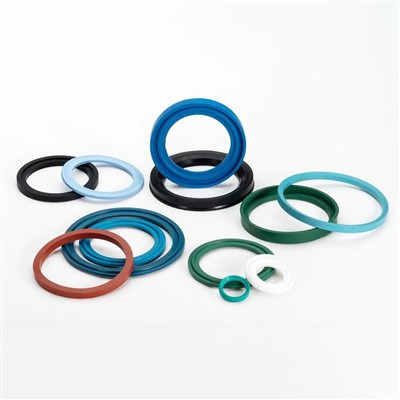
Hydraulic systems are the backbone of industrial machinery, construction equipment, and automotive applications. At the heart of every hydraulic cylinder lies a network of precision seals-including O-rings, piston seals, and rod seals-that maintain pressure, prevent leaks, and ensure smooth operation.
When these hydraulic cylinder seals begin to fail, the consequences can range from minor performance issues to catastrophic system breakdowns. Recognizing the early warning signs can save you thousands in repair costs and prevent dangerous equipment failures.

💡 Quick Fact: According to industry studies, seal failure accounts for over 60% of all hydraulic system breakdowns. Regular inspection and timely replacement can extend equipment life by 40% or more.
Visible Fluid Leakage Around the Cylinder
The most obvious sign of seal failure is hydraulic fluid leaking from the cylinder. Even small drops of oil pooling beneath equipment or visible wet spots on the rod indicate compromised seals.
Common Causes:
- Worn rod seals (U-cups or V-rings) – Natural wear from repeated extension and retraction
- Damaged O-rings – Caused by chemical degradation, temperature extremes, or installation damage
- Cracked piston seals – Result of excessive pressure or age-related brittleness
- Scored cylinder barrel – Metal-on-metal contact due to worn guide rings
⚠️ Why This Matters:
Leaking hydraulic fluid doesn't just make a mess-it leads to:
- Loss of hydraulic pressure and reduced force output
- Contamination of the hydraulic system (dirt enters through damaged seals)
- Environmental and safety hazards
- Accelerated wear on other components like pumps and valves
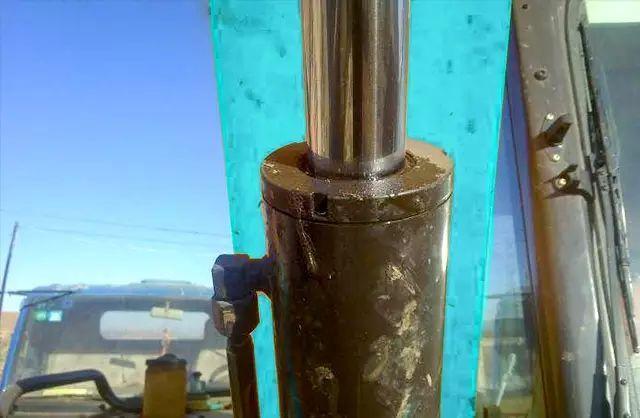
Slow, Jerky, or Inconsistent Cylinder Movement
If your hydraulic cylinder is moving slower than usual, hesitating, or exhibiting jerky motion, it's a clear indicator of internal seal degradation.
What's Happening Inside:
- Piston seal bypass – Worn piston seals allow hydraulic fluid to leak past the piston, reducing effective force
- Contamination buildup – Particles entering through damaged seals create friction and resistance
- Air ingress – Failed rod seals can allow air into the system, causing spongy or unpredictable movement
- Stick-slip phenomenon – Dry or degraded seals create uneven friction during operation
| Symptom | Likely Cause | Recommended Action |
|---|---|---|
| Slow extension/retraction | Piston seal wear, internal leakage | Replace piston seal and O-rings |
| Jerky motion (stick-slip) | Dry seals, contamination | Use internally lubricated seals (PTFE/silicone) |
| Inconsistent force output | Air in system, bypass leakage | Rebuild cylinder with complete seal kit |
Unusual Noises, Knocking, or Excessive Vibration
A properly functioning hydraulic cylinder should operate smoothly and quietly. If you start hearing knocking, banging, squealing, or excessive vibration, it's time for immediate inspection.
Noise Sources Related to Seal Failure:
🔊 Cavitation Noise
Damaged rod seals allow air into the hydraulic fluid. When this air collapses under pressure, it creates a distinct rattling or knocking sound. This phenomenon, called cavitation, also damages internal surfaces.
⚙️ Metal-on-Metal Contact
When guide rings or wear bands fail, the piston rod makes direct contact with the cylinder barrel, creating grinding or scraping sounds and causing permanent scoring damage.
📢 Seal Squeal
High-friction seals, especially those that are dry or improperly lubricated, can produce a squealing or chattering noise during operation. This indicates the seal material is degrading.
💥 Hydraulic Hammer
Sudden pressure spikes caused by piston seal bypass can create loud banging sounds known as hydraulic hammer, which can damage the entire system.
Excessive Heat Buildup in the Cylinder
Hydraulic cylinders naturally generate some heat during operation, but abnormally high temperatures are a red flag for seal-related problems.
How Seal Failure Causes Overheating:
| Problem | Mechanism | Temperature Impact |
|---|---|---|
| Internal Leakage (Piston Seal Bypass) | Fluid constantly recirculates rather than doing useful work, converting energy to heat | ⬆️ High |
| Excessive Seal Friction | Over-tightened, dry, or hardened seals generate friction heat | ⬆️ Moderate |
| Contamination Abrasion | Particles entering through failed seals act like sandpaper, creating friction | ⬆️ Moderate |
| Hydraulic Fluid Degradation | Heat from seal friction further breaks down fluid viscosity, creating a vicious cycle | ⬆️ High |
🔥 Danger Zone:
Prolonged exposure to excessive heat (above 80-90°C / 176-194°F) will:
- Rapidly age rubber seals, causing permanent hardening and cracking
- Degrade hydraulic fluid additives and viscosity
- Warp metal components and reduce system lifespan by 50% or more
Visible Wear, Scoring, or Corrosion on Cylinder Components
Sometimes the warning signs are right in front of you. During routine maintenance or inspection, look for these visual indicators of seal failure:
What to Look For:
🕯On the Piston Rod:
- Scratches, scoring, or grooves (from failed wipers allowing dirt entry)
- Surface corrosion or pitting
- Chrome plating damage or peeling
- Bent or misaligned rod
🕯On Seals During Disassembly:
- Cracking, splitting, or tearing of rubber material
- Permanent compression set (seal won't return to original shape)
- Hardening or brittleness
- Extrusion damage (material squeezed into gaps)
- Swelling or chemical attack
 VS
VS 
✅ Pro Tip: Even minor surface damage on the cylinder rod can destroy new seals within hours. Always inspect and polish rod surfaces before installing replacement seals. For deep scoring, consider professional re-chroming or cylinder barrel replacement.
Common Root Causes of Hydraulic Seal Failure
Understanding why seals fail helps prevent future breakdowns. Here are the primary culprits behind premature seal degradation:
- 1. Contamination: Dirt, metal particles, and water entering the hydraulic fluid act like abrasive compounds, accelerating wear on all sealing surfaces. Failed wiper seals are often the entry point.
- 2. Chemical Incompatibility: Using the wrong seal material for your hydraulic fluid type causes swelling, shrinkage, or chemical degradation. Always match seal elastomers (NBR, FKM, EPDM) to fluid chemistry.
- 3. Temperature Extremes: Operating outside the seal's rated temperature range (-40°C to +100°C for NBR, -20°C to +200°C for FKM) causes hardening, cracking, or loss of elasticity.
- 4. Improper Installation: Nicks, twists, or pinches during seal installation create immediate failure points. Always use proper seal installation tools and lubricate seals before assembly.
- 5. System Pressure Spikes: Pressure surges exceeding the seal's design limit cause extrusion damage-where the seal material is forced into clearance gaps, tearing the seal.
- 6. Normal Wear & Age: Even with perfect conditions, rubber seals have a finite service life (typically 2-5 years). Proactive replacement based on operating hours prevents unexpected failures.
The Cost of Ignoring Seal Failure Warning Signs
Delaying hydraulic seal replacement might seem like a cost-saving measure, but the long-term consequences far outweigh the price of new seals:
| Consequence | Impact |
|---|---|
| 🔧 Complete System Breakdown | Minor seal leaks escalate to total cylinder failure, requiring full rebuilds costing 10-20x more than preventive seal replacement |
| ⏱️ Expensive Downtime | Equipment shutdown for emergency repairs can cost $5,000-$50,000 per day in lost production for industrial operations |
| ⚙️ Secondary Damage | Contamination from failed seals damages pumps, valves, and other expensive components throughout the hydraulic system |
| ⚠️ Safety Hazards | Sudden pressure loss can cause dropped loads, uncontrolled equipment movement, and serious workplace injuries |
| 🌍 Environmental Fines | Hydraulic oil spills can trigger regulatory penalties and cleanup costs ranging from $10,000 to $100,000+ |
What to Do When You Spot the Warning Signs
Immediate Action Steps
- Stop Operation: Shut down the equipment immediately to prevent further damage. Operating with failed seals will escalate the problem exponentially.
- Inspect & Document: Photograph the damage, measure leak rates, and record operating conditions. This helps identify root causes and prevent recurrence.
- Source Quality Seals: Order complete hydraulic seal kits from trusted manufacturers. Ensure material compatibility with your fluid type and operating conditions.
- Professional Rebuild: Disassemble, clean, inspect all components, replace damaged parts, and reassemble with proper torque specifications and seal installation practices.
Choosing the Right Replacement Seals
Not all hydraulic seals are created equal. Selecting the proper seal type and material is critical for long-term reliability:
📊 Seal Material Selection Guide
| Material | Temperature Range | Fluid Compatibility | Best Applications |
|---|---|---|---|
| NBR (Nitrile Rubber) | -40°C to +100°C | Mineral oils, water-glycol fluids, some synthetics | General industrial hydraulics, mobile equipment |
| FKM (Viton®) | -20°C to +200°C | Synthetic fluids, high temps, aggressive chemicals | High-performance systems, harsh environments |
| PU (Polyurethane) | -40°C to +90°C | Mineral oils, water-based fluids | High-pressure applications, excellent wear resistance |
| PTFE (Teflon) | -200°C to +260°C | Nearly universal chemical resistance | Extreme temperatures, chemically aggressive fluids, low friction needs |
| EPDM | -50°C to +150°C | Water, steam, phosphate esters (NOT petroleum oils) | Water-based hydraulic systems, steam applications |
Why Choose Xiamen Best Seal for Your Hydraulic Seal Needs?
With over 20 years of manufacturing experience, we've supplied premium hydraulic sealing solutions to 450+ customers across 68 countries.
High-volume production capacity ensures fast delivery
Massive inventory of AS568 O-rings and seal kits in stock
Rigorous quality control and material testing
Thousands of molds + custom design capabilities
Email: yunying2@bestsealhk.com | WhatsApp: +86 189 5015 9396
Get Your Free QuoteFrequently Asked Questions About Hydraulic Seal Replacement
❓ How often should hydraulic cylinder seals be replaced?
Seal replacement intervals depend on operating conditions, but general guidelines are:
- Preventive maintenance: Every 2-3 years or 5,000-10,000 operating hours
- Heavy-duty applications: Annual inspection and replacement as needed
- Upon first sign of leakage or performance issues: Immediate replacement
❓ Can I replace just the leaking seal, or do I need a complete kit?
While you can replace individual seals, we strongly recommend replacing all seals as a complete kit. Here's why: If one seal has failed due to age or contamination, the others are likely in similar condition and will fail soon. A complete rebuild with a seal kit prevents repeated downtime and ensures all components are fresh and compatible.
❓ What's the difference between NBR and FKM seals? Which should I choose?
NBR (Nitrile) is the most common and cost-effective option for mineral oil-based hydraulic systems operating in normal temperature ranges (-40°C to +100°C). It offers good oil resistance and mechanical properties for general applications.
FKM (Viton®) is a premium fluoroelastomer for high-temperature applications (+200°C), synthetic fluids, or chemically aggressive environments. It costs 3-5x more than NBR but lasts significantly longer in harsh conditions.
Choose NBR for standard mobile/industrial hydraulics. Upgrade to FKM for high-heat, high-performance, or long-life critical applications.
❓ How do I measure my hydraulic cylinder for seal replacement?
You'll need three key measurements:
- Rod diameter (OD): Measure the piston rod with calipers
- Bore diameter (ID): Measure the cylinder barrel inner diameter
- Stroke length: Full extension travel distance (helps determine wear patterns)
Alternatively, provide the cylinder manufacturer name, model number, and serial number-we can cross-reference the correct seal specifications.
❓ What's the minimum order quantity for custom hydraulic seals?
For standard AS568 O-rings and common seal profiles, we have no MOQ-you can order as few as 10-50 pieces.
For custom-molded seals requiring new tooling, typical MOQs range from 500-2,000 pieces depending on complexity. Contact us to discuss your specific requirements-we work with both large production runs and prototype/small-batch orders.
❓ Do you provide technical support for seal installation?
Yes! Our engineering team provides:
- Seal material selection guidance based on your application
- Installation procedure recommendations and best practices
- Troubleshooting support for seal performance issues
- Custom seal design for unique cylinder configurations
Contact us at yunying2@bestsealhk.com with your technical questions.
Preventive Maintenance: Extending Hydraulic Seal Life
The best seal replacement strategy is prevention. Follow these best practices to maximize seal lifespan and minimize unexpected failures:
🛡️ Seal Life Extension Checklist
✅ Fluid Management
- Change hydraulic oil per manufacturer schedule
- Use filtration (10-25 micron recommended)
- Monitor fluid condition and contamination levels
- Maintain proper fluid viscosity for temperature range
✅ Operating Practices
- Avoid pressure spikes with proper valve control
- Don't exceed rated temperature limits
- Keep cylinder rods clean and protected when not in use
- Prevent side-loading and misalignment
✅ Inspection Schedule
- Visual checks for leaks every shift/daily
- Monthly rod surface inspections for scoring
- Quarterly performance testing (cycle time, force)
- Annual full disassembly and seal inspection
Conclusion: Proactive Seal Replacement Saves Time and Money
Hydraulic cylinder seal failure is not a matter of if, but when. By recognizing the five critical warning signs-fluid leaks, slow movement, unusual noises, excessive heat, and visible damage-you can take action before minor issues become major catastrophes.
Investing in high-quality replacement seals from experienced manufacturers like Xiamen Best Seal ensures:
- ✅ Material compatibility and durability for your specific application
- ✅ Precision manufacturing tolerances for reliable sealing
- ✅ Fast delivery from ready stock (same-day shipping available)
- ✅ Expert technical support for seal selection and installation