
Hey there! As a supplier of rubber V - rings, I often get asked about the thickness of these nifty little seals. So, I thought I'd write this blog to shed some light on the topic.
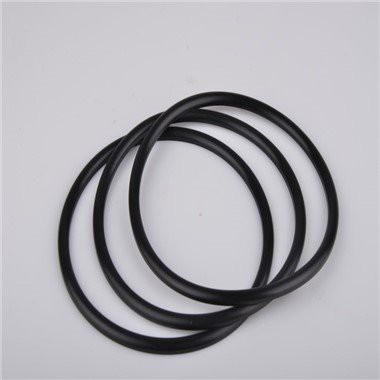
First off, let's talk about what a rubber V - ring is. It's a type of seal that's shaped like the letter "V". These rings are used in a wide range of applications, from industrial machinery to automotive parts. They're great at preventing the leakage of fluids, like oil or water, and keeping out dirt and other contaminants.
Now, the thickness of a rubber V - ring isn't a one - size - fits - all deal. It can vary depending on several factors. One of the main factors is the application it's going to be used in. For example, if you're using a V - ring in a high - pressure environment, you'll probably need a thicker ring. The thicker the ring, the better it can withstand the pressure without getting damaged or losing its sealing ability.
Another factor is the size of the shaft or the area where the V - ring will be installed. A larger shaft might require a thicker V - ring to ensure a proper seal. The material of the V - ring also plays a role. Different rubber compounds have different properties, and some might need to be thicker to achieve the same level of performance.
Let's break down the common thickness ranges for rubber V - rings. In general, you can find V - rings with thicknesses starting from around 1 mm. These thinner V - rings are often used in applications where space is limited or where the pressure is relatively low. For instance, in some small electronic devices or light - duty machinery, a 1 - 2 mm thick V - ring might do the job just fine.
As we move up the thickness scale, we have V - rings that are around 3 - 5 mm thick. These are more commonly used in medium - duty applications. They can handle a bit more pressure and are suitable for things like small pumps or some automotive components.


For heavy - duty applications, such as large industrial pumps, hydraulic systems, or heavy machinery, you'll often see V - rings with thicknesses of 6 mm or more. These thick V - rings are designed to withstand high pressures and harsh operating conditions.
But how do you choose the right thickness for your specific application? Well, it's not always easy. You need to consider the operating conditions, like the pressure, temperature, and the type of fluid that the V - ring will be in contact with. If you're dealing with a high - temperature environment, for example, you might need a thicker V - ring made from a heat - resistant rubber compound.
Here at our company, we offer a wide range of rubber V - rings with different thicknesses to meet various needs. We have Shaft Seal V Ring which come in different thicknesses and are perfect for sealing shafts in different types of machinery. Our V Shaped Rubber Rings are also available in a variety of thicknesses, and they're known for their excellent sealing performance. And if you're looking for a more specialized option, our Rubber Silicone V - ring is a great choice. Silicone rubber has some unique properties, like good temperature resistance and flexibility, and we offer it in different thicknesses too.
We understand that choosing the right V - ring thickness can be a bit confusing, especially if you're not an expert in sealing technology. That's why our team of experts is always ready to help. We can provide you with detailed technical advice based on your specific requirements. Whether you're a small business owner looking for a seal for a single machine or a large manufacturer in need of a bulk supply, we've got you covered.
When you're making a decision about the thickness of the V - ring, it's also important to think about the long - term performance. A V - ring that's too thin might not last as long in a high - stress application, which could lead to more frequent replacements and increased costs. On the other hand, a V - ring that's too thick might be overkill for a low - pressure application and could also add unnecessary cost.
In addition to the thickness, you also need to pay attention to other aspects of the V - ring, like its hardness and the surface finish. The hardness of the rubber affects how well the V - ring can conform to the surface and create a seal. A harder rubber might be better for high - pressure applications, while a softer rubber could be more suitable for irregular surfaces.
The surface finish of the V - ring is also crucial. A smooth surface finish can reduce friction and wear, which is important for the longevity of the V - ring. We take great care in manufacturing our V - rings to ensure that they have the right surface finish for optimal performance.
So, if you're in the market for a rubber V - ring and are wondering about the thickness, don't hesitate to reach out to us. We can work with you to determine the best thickness and other specifications for your application. Whether you need a single V - ring for a quick repair or a large order for a new project, we're here to provide you with high - quality products and excellent service.
In conclusion, the thickness of a rubber V - ring is a crucial factor that depends on multiple variables. By understanding these variables and working with an experienced supplier like us, you can make an informed decision and get the best - performing V - ring for your needs. If you're interested in learning more or want to place an order, just get in touch with us. We're looking forward to helping you find the perfect rubber V - ring for your application.
References:
- General knowledge of rubber sealing technology from industry experience.
- Manufacturer's specifications for various rubber V - ring products.