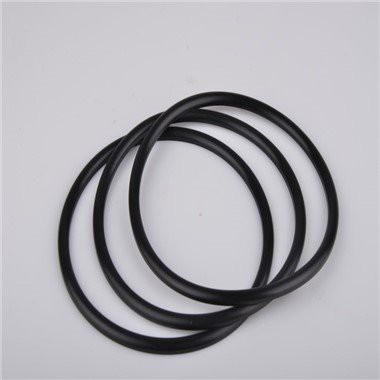

Choosing the right size of a rubber V-ring is a crucial decision that can significantly impact the performance and longevity of your equipment. As a reputable rubber V-ring supplier, we understand the complexities involved in this process and are here to guide you through every step. In this blog, we will explore the key factors to consider when selecting the appropriate size for your rubber V-ring, ensuring optimal functionality and reliability.
Understanding the Basics of Rubber V-Rings
Before delving into the sizing process, it's essential to have a clear understanding of what rubber V-rings are and how they work. Rubber V-rings, also known as V-shaped rubber rings or V ring rubber seals, are mechanical seals designed to prevent the leakage of fluids and contaminants in rotating or reciprocating equipment. They are typically made from high-quality rubber materials, such as nitrile rubber (NBR), fluorocarbon rubber (FKM), or silicone rubber (VMQ), which offer excellent resistance to wear, chemicals, and temperature variations.
The unique V-shaped design of these rings allows them to provide a tight seal against the shaft or housing, even under high-pressure conditions. They are commonly used in a wide range of applications, including automotive engines, industrial machinery, hydraulic systems, and aerospace equipment.
Factors to Consider When Choosing the Right Size
1. Shaft Diameter
The shaft diameter is one of the most critical factors to consider when selecting the size of a rubber V-ring. The V-ring must fit snugly around the shaft to ensure a proper seal. To determine the correct shaft diameter, you can use a caliper or a micrometer to measure the outer diameter of the shaft at the point where the V-ring will be installed. It's important to measure the shaft accurately, as even a small deviation in the diameter can affect the performance of the V-ring.
Once you have the shaft diameter measurement, you can refer to the manufacturer's sizing chart to select the appropriate V-ring size. Most V-ring manufacturers provide detailed sizing charts that list the recommended V-ring sizes based on the shaft diameter. Make sure to choose a V-ring size that corresponds to the measured shaft diameter to ensure a proper fit.
2. Housing Bore Diameter
In addition to the shaft diameter, you also need to consider the housing bore diameter when choosing the right size of a rubber V-ring. The housing bore diameter is the inner diameter of the housing or the component where the V-ring will be installed. The V-ring must fit properly inside the housing bore to create a tight seal.
To determine the housing bore diameter, you can use a caliper or a micrometer to measure the inner diameter of the housing at the point where the V-ring will be installed. Similar to the shaft diameter measurement, it's important to measure the housing bore diameter accurately to ensure a proper fit.
Once you have the housing bore diameter measurement, you can refer to the manufacturer's sizing chart to select the appropriate V-ring size. The sizing chart will typically provide the recommended V-ring sizes based on both the shaft diameter and the housing bore diameter. Make sure to choose a V-ring size that is compatible with both the shaft diameter and the housing bore diameter to ensure a proper seal.
3. Operating Conditions
The operating conditions of your equipment also play a significant role in determining the right size of a rubber V-ring. Factors such as temperature, pressure, speed, and the type of fluid or contaminant being sealed can all affect the performance of the V-ring.
For example, if your equipment operates at high temperatures, you may need to choose a V-ring made from a high-temperature-resistant rubber material, such as fluorocarbon rubber (FKM). Similarly, if your equipment operates at high pressures, you may need to choose a V-ring with a thicker cross-section or a higher hardness rating to ensure a proper seal.
It's also important to consider the speed of the rotating or reciprocating equipment. If your equipment operates at high speeds, you may need to choose a V-ring with a lower friction coefficient to reduce wear and tear on the V-ring and the shaft.
Finally, you need to consider the type of fluid or contaminant being sealed. Different rubber materials have different chemical resistance properties, so you need to choose a V-ring made from a rubber material that is compatible with the fluid or contaminant being sealed. For example, if you are sealing a petroleum-based fluid, you may need to choose a V-ring made from nitrile rubber (NBR), which has excellent resistance to petroleum-based fluids.
4. Application Requirements
The specific application requirements of your equipment can also influence the choice of V-ring size. For example, if your equipment requires a high level of precision, you may need to choose a V-ring with a tighter tolerance to ensure a proper seal. Similarly, if your equipment operates in a harsh environment, you may need to choose a V-ring with a higher level of durability and resistance to wear and tear.
It's also important to consider the installation requirements of your equipment. Some V-rings may require special installation tools or techniques, so you need to make sure that you have the necessary tools and expertise to install the V-ring properly.
Choosing the Right Material
In addition to choosing the right size, it's also important to choose the right material for your rubber V-ring. The material you choose will depend on the operating conditions and the application requirements of your equipment. Here are some of the most common rubber materials used for V-rings:


1. Nitrile Rubber (NBR)
Nitrile rubber is one of the most widely used rubber materials for V-rings. It offers excellent resistance to petroleum-based fluids, such as oil, fuel, and hydraulic fluid. It also has good mechanical properties, including high tensile strength, tear resistance, and abrasion resistance. Nitrile rubber is suitable for a wide range of applications, including automotive engines, industrial machinery, and hydraulic systems.
2. Fluorocarbon Rubber (FKM)
Fluorocarbon rubber is a high-performance rubber material that offers excellent resistance to high temperatures, chemicals, and solvents. It has a wide operating temperature range, from -20°C to +200°C, making it suitable for applications that require high-temperature resistance. Fluorocarbon rubber is commonly used in aerospace equipment, chemical processing plants, and automotive engines.
3. Silicone Rubber (VMQ)
Silicone rubber is a versatile rubber material that offers excellent resistance to high temperatures, ozone, and weathering. It has a wide operating temperature range, from -60°C to +250°C, making it suitable for applications that require extreme temperature resistance. Silicone rubber is commonly used in food processing equipment, medical devices, and electrical applications.
4. Ethylene Propylene Diene Monomer (EPDM)
Ethylene propylene diene monomer is a synthetic rubber material that offers excellent resistance to weathering, ozone, and chemicals. It has a wide operating temperature range, from -40°C to +120°C, making it suitable for applications that require good weather resistance. EPDM is commonly used in automotive weatherstripping, roofing membranes, and electrical insulation.
Where to Find the Right Rubber V-Ring
As a rubber V-ring supplier, we offer a wide range of high-quality V-rings in various sizes and materials to meet the needs of different applications. Our V-rings are manufactured using the latest technology and strict quality control measures to ensure optimal performance and reliability.
If you are looking for Shaft Seal V Ring, V Shaped Rubber Rings, or V Ring Rubber Seals, we have the right products for you. Our experienced team of professionals can help you choose the right size and material for your specific application and provide you with the technical support and guidance you need.
To learn more about our rubber V-rings or to place an order, please contact us today. We look forward to serving you and helping you find the right solution for your sealing needs.
References
- "Sealing Technology Handbook" by John H. Bickford
- "Mechanical Seals: Principles and Applications" by Robert D. Conant
- "Rubber Seals and Gaskets: Design, Materials, and Applications" by Neil M. Wright