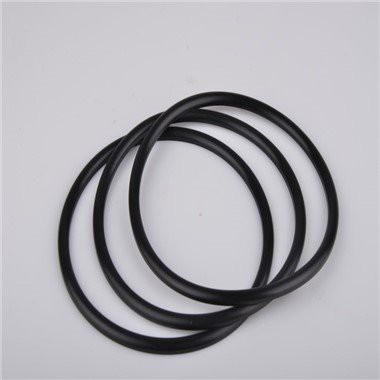

As a dedicated supplier of Rubber D Ring Seals, I often encounter inquiries regarding the thermal expansion coefficient of these essential components. Understanding this property is crucial for ensuring the optimal performance and longevity of Rubber D Ring Seals in various applications. In this blog post, I will delve into the concept of the thermal expansion coefficient, its significance for Rubber D Ring Seals, and how it can impact the functionality of these seals.
What is the Thermal Expansion Coefficient?
The thermal expansion coefficient is a measure of how much a material expands or contracts in response to changes in temperature. It is defined as the fractional change in length, volume, or area of a material per degree change in temperature. Different materials have different thermal expansion coefficients, which can vary depending on factors such as the material's composition, structure, and temperature range.
For Rubber D Ring Seals, the thermal expansion coefficient is particularly important because these seals are often exposed to a wide range of temperatures in their operating environments. When the temperature changes, the rubber material of the seal will expand or contract, which can affect the seal's ability to maintain a tight and effective seal. If the expansion or contraction is too significant, it can lead to leakage, deformation, or even failure of the seal.
Factors Affecting the Thermal Expansion Coefficient of Rubber D Ring Seals
Several factors can influence the thermal expansion coefficient of Rubber D Ring Seals. These include:
- Rubber Material: Different types of rubber have different thermal expansion coefficients. For example, natural rubber typically has a higher thermal expansion coefficient than synthetic rubbers such as neoprene or silicone. The choice of rubber material for a D Ring Seal will depend on the specific application requirements, including the temperature range, chemical compatibility, and mechanical properties.
- Temperature Range: The thermal expansion coefficient of rubber can vary depending on the temperature range. In general, the expansion coefficient increases with increasing temperature. It is important to consider the maximum and minimum temperatures that the seal will be exposed to in its operating environment when selecting a rubber material and determining the appropriate seal design.
- Cross-Sectional Shape: The cross-sectional shape of the D Ring Seal can also affect its thermal expansion behavior. Seals with a larger cross-sectional area will generally have a greater expansion or contraction compared to seals with a smaller cross-sectional area. Additionally, the shape of the seal can influence how it deforms under thermal stress, which can impact its sealing performance.
- Compression and Preload: The amount of compression and preload applied to the D Ring Seal can also affect its thermal expansion characteristics. When a seal is compressed, it is subjected to internal stresses that can influence its expansion and contraction behavior. Proper installation and preloading of the seal are essential to ensure that it maintains its sealing integrity over a wide range of temperatures.
Importance of the Thermal Expansion Coefficient for Rubber D Ring Seals
The thermal expansion coefficient of Rubber D Ring Seals plays a critical role in their performance and reliability. Here are some key reasons why it is important to consider this property:
- Sealing Performance: The ability of a D Ring Seal to maintain a tight and effective seal depends on its ability to adapt to changes in temperature. If the seal expands or contracts too much, it can lead to gaps or leaks between the seal and the mating surfaces, compromising the sealing performance. By selecting a rubber material with an appropriate thermal expansion coefficient and designing the seal to accommodate thermal expansion, it is possible to ensure reliable sealing even under extreme temperature conditions.
- Dimensional Stability: The thermal expansion and contraction of a D Ring Seal can also affect its dimensional stability. If the seal expands or contracts significantly, it can cause changes in its shape and size, which can make it difficult to install or fit properly. This can lead to issues such as misalignment, excessive wear, or premature failure of the seal. By understanding the thermal expansion characteristics of the rubber material and designing the seal with appropriate tolerances, it is possible to maintain the dimensional stability of the seal over a wide range of temperatures.
- Longevity and Durability: Extreme temperature changes can cause the rubber material of a D Ring Seal to degrade over time, leading to reduced performance and premature failure. By selecting a rubber material with a low thermal expansion coefficient and designing the seal to withstand thermal stress, it is possible to extend the lifespan of the seal and improve its durability. This can result in cost savings and reduced downtime for maintenance and replacement.
Measuring the Thermal Expansion Coefficient of Rubber D Ring Seals
The thermal expansion coefficient of Rubber D Ring Seals can be measured using various techniques, including:
- Dilatometry: Dilatometry is a technique that measures the change in length or volume of a material as a function of temperature. In this method, a small sample of the rubber material is placed in a dilatometer, which measures the change in length or volume of the sample as it is heated or cooled. The thermal expansion coefficient can then be calculated from the measured data.
- Thermomechanical Analysis (TMA): TMA is a technique that measures the mechanical properties of a material as a function of temperature. In this method, a small sample of the rubber material is placed in a TMA instrument, which applies a constant force to the sample while heating or cooling it. The change in length or volume of the sample is measured as a function of temperature, and the thermal expansion coefficient can be calculated from the measured data.
- Differential Scanning Calorimetry (DSC): DSC is a technique that measures the heat flow into or out of a material as a function of temperature. In this method, a small sample of the rubber material is placed in a DSC instrument, which heats or cools the sample at a constant rate while measuring the heat flow. The thermal expansion coefficient can be calculated from the measured heat flow data.
Selecting the Right Rubber Material for D Ring Seals Based on Thermal Expansion Coefficient
When selecting a rubber material for D Ring Seals, it is important to consider the thermal expansion coefficient in addition to other factors such as chemical compatibility, mechanical properties, and cost. Here are some guidelines for selecting the right rubber material based on the thermal expansion coefficient:
- Low Temperature Applications: For applications where the seal will be exposed to low temperatures, it is important to select a rubber material with a low thermal expansion coefficient. This will help to prevent the seal from contracting too much and causing gaps or leaks. Materials such as silicone and fluorocarbon rubber are often used in low temperature applications due to their low thermal expansion coefficients.
- High Temperature Applications: For applications where the seal will be exposed to high temperatures, it is important to select a rubber material with a high thermal stability and a low thermal expansion coefficient. This will help to prevent the seal from expanding too much and causing deformation or failure. Materials such as EPDM and nitrile rubber are often used in high temperature applications due to their high thermal stability and low thermal expansion coefficients.
- Wide Temperature Range Applications: For applications where the seal will be exposed to a wide range of temperatures, it is important to select a rubber material with a balanced thermal expansion coefficient. This will help to ensure that the seal maintains its sealing integrity over a wide temperature range. Materials such as neoprene and natural rubber are often used in wide temperature range applications due to their balanced thermal expansion coefficients.
Conclusion
In conclusion, the thermal expansion coefficient is an important property to consider when selecting and using Rubber D Ring Seals. Understanding the thermal expansion characteristics of the rubber material and designing the seal to accommodate thermal expansion are essential for ensuring the optimal performance and longevity of these seals in various applications. By selecting the right rubber material based on the thermal expansion coefficient and other factors, it is possible to achieve reliable sealing, dimensional stability, and durability even under extreme temperature conditions.
If you are in need of high-quality Rubber D Ring Seals, we are here to help. As a leading supplier of rubber sealing products, we offer a wide range of Rubber D Ring Seals to meet your specific requirements. Our seals are made from high-quality rubber materials and are designed to provide excellent sealing performance and durability. We also offer customized solutions to meet your unique needs.


Whether you need Rubber D Ring for Bumper Mount or D Ring for Flat Rubber Straps, we have the expertise and experience to provide you with the right solution. Contact us today to discuss your requirements and learn more about our products and services. We look forward to working with you to meet your rubber sealing needs.
References
- Landel, R. F., & Ferry, J. D. (1961). Viscoelastic properties of polymers. Wiley.
- Sperling, L. H. (2006). Introduction to physical polymer science. Wiley.
- ASTM D696 - 11. (2011). Standard test method for coefficient of linear thermal expansion of plastics between - 30°C and 30°C with a vitreous silica dilatometer. ASTM International.