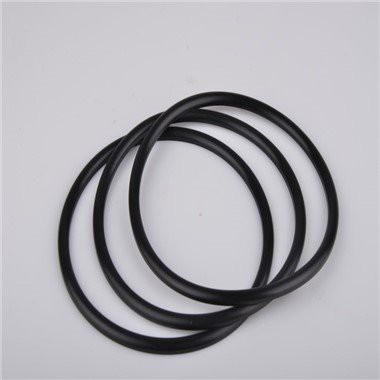

What is the tear strength of an OEM Seal Ring?
As a trusted OEM Seal Ring supplier, I often encounter inquiries from clients about the tear strength of our products. Tear strength is a crucial property that significantly impacts the performance and durability of seal rings in various applications. In this blog post, I will delve into the concept of tear strength, its importance in OEM Seal Rings, and how it relates to the quality of our offerings.
Understanding Tear Strength
Tear strength refers to the ability of a material to resist the growth of a cut or tear when subjected to a tensile force. In the context of OEM Seal Rings, tear strength is a measure of how well the ring can withstand the stresses and strains it encounters during installation, operation, and removal. A seal ring with high tear strength is less likely to tear or rupture, ensuring a reliable and long-lasting seal.
The tear strength of a material is typically measured in units of force per unit thickness, such as pounds per inch (psi) or newtons per millimeter (N/mm). The higher the tear strength value, the more resistant the material is to tearing. Tear strength is influenced by several factors, including the type of material, its formulation, and the manufacturing process.
Importance of Tear Strength in OEM Seal Rings
In many industrial applications, OEM Seal Rings are exposed to harsh environments and demanding operating conditions. They may be subjected to high pressures, extreme temperatures, abrasive substances, and chemical exposure. In such situations, a seal ring with poor tear strength is prone to failure, leading to leaks, equipment damage, and costly downtime.
For example, in hydraulic systems, seal rings are used to prevent fluid leakage and maintain pressure. If a seal ring tears due to low tear strength, it can result in a loss of hydraulic pressure, reduced system efficiency, and potential damage to other components. Similarly, in automotive engines, seal rings are critical for preventing oil and coolant leaks. A torn seal ring can lead to engine overheating, lubrication problems, and ultimately, engine failure.
In addition to preventing leaks and ensuring equipment reliability, high tear strength also contributes to the longevity of OEM Seal Rings. A seal ring that can withstand the rigors of its operating environment will have a longer service life, reducing the need for frequent replacements and maintenance. This not only saves time and money but also minimizes the environmental impact associated with the disposal of worn-out seal rings.
Factors Affecting Tear Strength in OEM Seal Rings
As mentioned earlier, several factors can influence the tear strength of OEM Seal Rings. Let's take a closer look at some of the key factors:
-
Material Selection: The choice of material is one of the most important factors affecting tear strength. Different rubber materials have different tear strength properties. For example, natural rubber (NR) has relatively high tear strength, making it suitable for applications where high flexibility and tear resistance are required. On the other hand, some synthetic rubbers, such as fluorocarbon rubber (FKM), may have lower tear strength but offer excellent chemical resistance and high-temperature performance.
-
Material Formulation: The formulation of the rubber compound can also have a significant impact on tear strength. The addition of fillers, plasticizers, and other additives can modify the physical and mechanical properties of the rubber, including tear strength. For example, the use of carbon black as a filler can improve the tear strength of rubber by reinforcing the polymer matrix.
-
Manufacturing Process: The manufacturing process used to produce OEM Seal Rings can affect their tear strength. Factors such as molding temperature, pressure, and curing time can influence the cross-linking density of the rubber, which in turn affects its tear strength. A well-controlled manufacturing process ensures consistent quality and optimal tear strength in the final product.
-
Design and Geometry: The design and geometry of the seal ring can also play a role in its tear strength. A seal ring with a complex shape or sharp edges may be more prone to tearing than a simple, rounded design. Additionally, the thickness and cross-sectional area of the seal ring can affect its tear resistance. A thicker seal ring generally has higher tear strength than a thinner one.
Measuring Tear Strength
There are several standard test methods available for measuring the tear strength of rubber materials. One of the most commonly used methods is the ASTM D624 test, which measures the tear strength of a rubber specimen under a specific set of conditions. In this test, a rectangular specimen with a pre-cut slit is pulled at a constant rate until it tears. The maximum force required to tear the specimen is recorded, and the tear strength is calculated based on the specimen's dimensions.
Another test method is the ISO 34-1 test, which is similar to the ASTM D624 test but uses a different specimen geometry. The ISO 34-1 test is widely used in Europe and other parts of the world.
In addition to these standard test methods, some manufacturers may also conduct in-house testing to evaluate the tear strength of their OEM Seal Rings under specific operating conditions. This allows them to ensure that their products meet the performance requirements of their customers.
Our Commitment to High Tear Strength
As an OEM Seal Ring supplier, we are committed to providing our customers with high-quality products that offer excellent tear strength and reliability. We carefully select the materials and formulations for our seal rings to ensure optimal tear resistance and performance in a wide range of applications. Our manufacturing process is highly controlled, using state-of-the-art equipment and techniques to produce seal rings with consistent quality and superior tear strength.
We offer a wide range of OEM Seal Ring products, including Molded Rubber Ring and Rubber Square Ring. Our seal rings are available in various sizes, shapes, and materials to meet the specific needs of our customers. Whether you need a seal ring for a high-pressure hydraulic system, a chemical processing application, or an automotive engine, we have the expertise and resources to provide you with the right solution.


Contact Us for Your Seal Ring Needs
If you are looking for high-quality OEM Seal Rings with excellent tear strength, we would be delighted to hear from you. Our team of experts is available to answer your questions, provide technical support, and help you select the right seal ring for your application. We offer competitive pricing, fast turnaround times, and exceptional customer service.
Contact us today to discuss your seal ring requirements and learn more about how our products can help you achieve reliable and efficient sealing solutions.
References
- ASTM D624 - Standard Test Methods for Tear Strength of Conventional Vulcanized Rubber and Thermoplastic Elastomers
- ISO 34-1 - Rubber, vulcanized or thermoplastic - Determination of tear strength