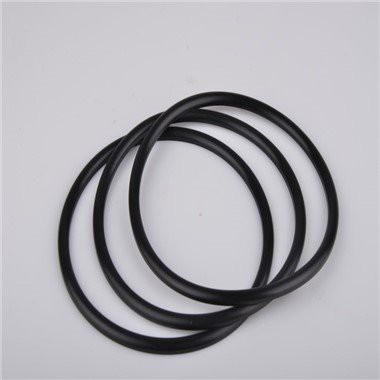

As a seasoned supplier of Rubber V - rings, I've witnessed firsthand the widespread application and crucial role these components play in various industries. In this blog, I'll delve into the sealing principle of a rubber V - ring, shedding light on its functionality and significance.
Understanding the Basics of Rubber V - Rings
Before we jump into the sealing principle, let's briefly understand what a rubber V - ring is. Rubber V - rings, also known as V - shaped rubber rings, are simple yet highly effective sealing devices. They are typically made from various rubber materials such as nitrile rubber (NBR), silicone rubber, and fluorocarbon rubber (FKM), each offering different properties suitable for specific applications. These rings have a distinctive V - shaped cross - section, which is the key to their unique sealing capabilities.
The Sealing Mechanism of Rubber V - Rings
The sealing principle of a rubber V - ring is based on the combination of its elastic properties and the V - shaped design. When a rubber V - ring is installed on a shaft or a housing, the inherent elasticity of the rubber material allows it to conform to the surface irregularities of the mating parts. This creates an initial contact pressure between the rubber ring and the surfaces it seals against.
The V - shaped cross - section of the ring plays a vital role in enhancing the sealing performance. As the ring is compressed during installation, the two legs of the V - shape are forced outwards. This outward expansion increases the contact area between the ring and the sealing surfaces, resulting in a more effective seal. The V - shape also provides a self - energizing effect. When there is pressure or fluid trying to leak past the seal, the pressure acts on the V - ring, further forcing the legs of the V - shape against the sealing surfaces. This increases the contact pressure and helps to maintain a tight seal even under varying operating conditions.
Factors Affecting the Sealing Performance
Several factors can influence the sealing performance of a rubber V - ring. One of the most important factors is the material of the rubber. Different rubber materials have different chemical resistance, temperature resistance, and mechanical properties. For example, nitrile rubber is known for its excellent resistance to oil and fuel, making it a popular choice for automotive and industrial applications. Silicone rubber, on the other hand, has good high - temperature resistance and is often used in applications where heat is a concern.
The surface finish of the mating parts also has a significant impact on the sealing performance. A smooth surface finish reduces the friction between the rubber ring and the sealing surfaces, which can prevent premature wear of the ring. However, if the surface is too smooth, it may reduce the contact pressure and compromise the seal. Therefore, an appropriate surface roughness is required to ensure a good seal.
The installation process is another critical factor. If the rubber V - ring is not installed correctly, it may not form a proper seal. For example, if the ring is installed at an angle, it can cause uneven contact pressure, leading to leakage. It is essential to follow the manufacturer's installation instructions carefully to ensure the optimal performance of the seal.
Applications of Rubber V - Rings
Rubber V - rings are widely used in various industries due to their excellent sealing performance and simplicity. In the automotive industry, they are used in engines, transmissions, and differentials to prevent oil leakage. They are also used in hydraulic systems to seal the shafts of pumps and cylinders, ensuring the efficient operation of the system.
In the industrial machinery sector, rubber V - rings are used in conveyor systems, pumps, and motors. They help to protect the internal components from dust, dirt, and moisture, extending the service life of the equipment. In the food and beverage industry, V - ring rubber seals made from food - grade rubber materials are used to ensure the hygienic operation of processing equipment.
Our Offerings as a Rubber V - Ring Supplier
As a leading supplier of rubber V - rings, we offer a wide range of products to meet the diverse needs of our customers. Our Shaft Seal V Ring is designed to provide reliable sealing for shafts in various applications. We use high - quality rubber materials and advanced manufacturing processes to ensure the durability and performance of our products.
Our V Ring Rubber Seals are available in different sizes and specifications to fit different equipment. Whether you need a small - sized seal for a precision instrument or a large - sized seal for heavy - duty machinery, we can provide you with the right solution.


We also offer V Shaped Rubber Rings made from different rubber materials, allowing you to choose the most suitable material for your specific application. Our technical team is always ready to provide you with professional advice on material selection and installation to ensure the optimal performance of our products.
Why Choose Our Rubber V - Rings
There are several reasons why you should choose our rubber V - rings. Firstly, we have a strict quality control system in place. Every product undergoes a series of tests to ensure that it meets the highest quality standards. This guarantees the reliability and durability of our seals, reducing the risk of leakage and equipment failure.
Secondly, we offer competitive pricing. We understand the importance of cost - effectiveness in today's market, and we strive to provide our customers with high - quality products at reasonable prices.
Finally, we provide excellent customer service. Our sales team is always available to answer your questions and provide you with prompt assistance. Whether you need help with product selection, installation, or after - sales support, we are here to help.
Contact Us for Your Rubber V - Ring Needs
If you are looking for high - quality rubber V - rings for your application, we invite you to contact us. Our team of experts will work closely with you to understand your requirements and provide you with the best solution. We are committed to providing you with the highest level of service and ensuring your satisfaction.
References
- "Sealing Technology Handbook", Edited by John A. Boswell.
- "Rubber Engineering and Technology", By Alan N. Gent.
- Industry standards and guidelines related to rubber seals.