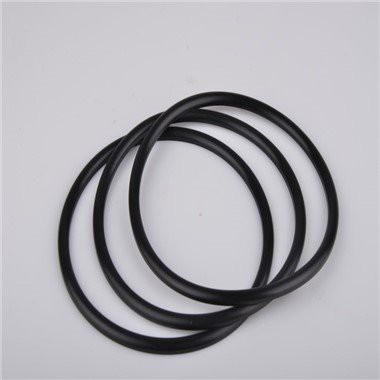

Hey there! As a supplier of Rubber O - rings, I often get asked about the friction coefficient of these little but super - important components. So, let's dig into what the friction coefficient of rubber O - rings is all about.


What is the Friction Coefficient?
First off, let's understand what the friction coefficient means. Simply put, it's a number that shows how much friction there is between two surfaces when they're in contact and one tries to slide over the other. A low friction coefficient means the surfaces slide over each other easily, while a high one indicates more resistance to sliding.
For rubber O - rings, the friction coefficient plays a crucial role. These O - rings are used in tons of applications, like in engines, plumbing systems, and even in some high - tech gadgets. They need to seal properly, and the friction between the O - ring and the mating surface is key to making that happen.
Factors Affecting the Friction Coefficient of Rubber O - rings
There are several things that can influence the friction coefficient of rubber O - rings.
Rubber Material
The type of rubber used to make the O - ring is a huge factor. Different rubbers have different properties. For example, Nitrile rubber (NBR) is known for its good oil resistance and has a certain friction coefficient range. Silicone rubber, on the other hand, is more flexible and has a different friction characteristic. Fluoroelastomers, like Viton, are great for high - temperature applications and also have their own unique friction behavior.
Surface Finish of Mating Parts
The surface finish of the parts that the O - ring comes into contact with matters a lot. A rough surface will generally have a higher friction coefficient with the O - ring compared to a smooth one. If the mating surface has scratches or is uneven, it can increase the resistance when the O - ring moves or tries to maintain a seal.
Lubrication
Lubrication can significantly change the friction coefficient. Using a lubricant between the O - ring and the mating surface can reduce the friction. For example, in some hydraulic systems, a special lubricant is applied to the O - rings to make them move more smoothly and reduce wear. But it's important to choose the right lubricant that is compatible with the rubber material of the O - ring. Otherwise, it could cause the rubber to swell or degrade over time.
Temperature
Temperature has a big impact on the friction coefficient of rubber O - rings. As the temperature rises, the rubber can become softer, which might change its friction behavior. In high - temperature environments, the friction coefficient could either increase or decrease depending on the rubber material. For instance, some rubbers may become stickier at high temperatures, leading to a higher friction coefficient.
Measuring the Friction Coefficient of Rubber O - rings
Measuring the friction coefficient of rubber O - rings isn't always straightforward. There are different methods used in laboratories. One common way is to use a tribometer. This device measures the frictional force between the O - ring and a test surface under controlled conditions. By applying a known normal force and measuring the force required to make the O - ring slide, the friction coefficient can be calculated using the formula: Friction Coefficient = Frictional Force / Normal Force.
However, in real - world applications, the conditions can be much more complex than in a laboratory. There could be variations in temperature, pressure, and the presence of contaminants. So, the measured friction coefficient in a lab might not exactly match what happens in an actual system.
Importance of Knowing the Friction Coefficient
Understanding the friction coefficient of rubber O - rings is super important for several reasons.
Sealing Performance
A proper friction coefficient is essential for good sealing. If the friction is too low, the O - ring might not stay in place properly, and there could be leaks. On the other hand, if the friction is too high, it could cause excessive wear on the O - ring, also leading to sealing failures over time.
Wear and Tear
The friction coefficient affects how much wear the O - ring will experience during its use. High friction can cause the rubber to wear out faster, reducing the lifespan of the O - ring. By knowing the friction coefficient, engineers can design systems to minimize wear and ensure the O - ring lasts as long as possible.
Energy Efficiency
In systems where the O - ring moves, like in some hydraulic or pneumatic systems, a lower friction coefficient can improve energy efficiency. Less energy is wasted in overcoming the frictional resistance, which can lead to cost savings in the long run.
Our Custom O - ring Solutions
As a Rubber O - rings supplier, we understand the importance of the friction coefficient and its impact on the performance of O - rings. That's why we offer a range of custom O - ring solutions.
If you're looking for custom O - rings with no minimum order, check out our No Minimum Order Custom O Ring page. We can create O - rings in different sizes, materials, and with specific properties to meet your unique requirements.
For those who need manufacturer - crafted custom O - rings, head over to our Manufacturer Crafted Custom O Ring page. Our experienced manufacturers can use the latest techniques to produce high - quality O - rings that are tailored to your needs.
And if you're after factory - produced bespoke O - rings, visit our Factory Produced Bespoke O Ring page. We have a state - of - the - art factory that can manufacture O - rings with precision and consistency.
Contact Us for Procurement
If you're interested in our rubber O - rings and want to discuss your procurement needs, don't hesitate to reach out. We're here to help you find the best O - ring solutions for your applications. Whether you need to know more about the friction coefficient or have other specific requirements, our team of experts is ready to assist you.
References
- "Rubber Technology Handbook" by Werner Hofmann
- "Sealing Technology" by John H. Bickford
- Various industry research papers on rubber O - ring performance.