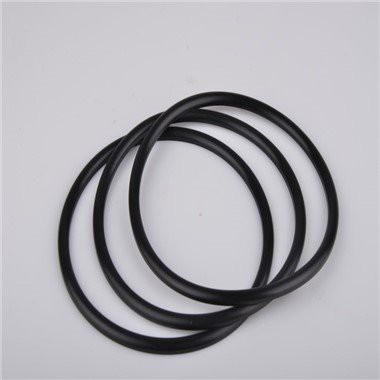

As a dedicated supplier of rubber plugs, I've witnessed firsthand the remarkable resilience these unassuming components possess. Resilience, in the context of rubber plugs, encompasses a wide range of properties that make them indispensable in numerous applications across various industries. In this blog post, I'll delve into the concept of rubber plug resilience, exploring its key aspects and highlighting why it matters so much.
Material - Level Resilience
At the heart of a rubber plug's resilience lies the material from which it is made. Rubber, as a material, is known for its unique combination of elasticity and durability. Natural rubber, for example, is derived from the latex of rubber trees. It has excellent stretchability, which allows rubber plugs to deform under pressure and then return to their original shape once the pressure is removed. This property is crucial in applications where the plug needs to fit snugly into an opening, such as in plumbing or automotive systems.
Synthetic rubbers, on the other hand, offer a diverse set of properties tailored to specific needs. Silicone rubber, for instance, is widely used in the production of rubber plugs due to its high - temperature resistance, chemical stability, and non - toxicity. Silicone Rubber Plugs made from this material can withstand extreme temperatures, ranging from - 60°C to 230°C, making them suitable for use in industrial ovens, medical equipment, and food processing applications.
The cross - linking structure of rubber also contributes to its resilience. During the vulcanization process, sulfur or other cross - linking agents are added to the rubber, creating chemical bonds between the polymer chains. These cross - links enhance the rubber's strength, stiffness, and resistance to wear and tear. As a result, rubber plugs can endure repeated use and exposure to harsh environments without losing their functionality.


Resistance to Environmental Factors
One of the most significant aspects of rubber plug resilience is its ability to withstand various environmental factors. In outdoor applications, rubber plugs are exposed to sunlight, rain, and extreme temperatures. Ultraviolet (UV) rays from the sun can cause rubber to degrade over time, leading to cracking and loss of elasticity. However, many modern rubber plugs are formulated with UV stabilizers to prevent this type of damage.
Moisture is another common environmental challenge. Rubber plugs used in plumbing systems or marine applications need to be resistant to water and humidity. Silicone and EPDM (ethylene propylene diene monomer) rubbers are particularly well - suited for these applications because they have low water absorption rates. This means that they won't swell or lose their shape when exposed to water, ensuring a tight seal and long - term performance.
Chemical resistance is also a key consideration. Rubber plugs may come into contact with a variety of chemicals, including acids, bases, solvents, and oils. Different types of rubber have different levels of chemical resistance. For example, nitrile rubber is highly resistant to oils and fuels, making it a popular choice for automotive applications. By choosing the right rubber material, we can ensure that our rubber plugs can withstand the specific chemical environment they will be exposed to.
Mechanical Resilience
Rubber plugs are often subjected to mechanical forces, such as compression, tension, and shear. Compression resilience is the ability of a rubber plug to recover its original shape after being compressed. This property is essential in applications where the plug needs to create a seal under pressure, such as in hydraulic systems or pneumatic equipment.
Tensile strength is another important mechanical property. It measures the maximum amount of tensile force a rubber plug can withstand before breaking. A high - tensile - strength rubber plug can resist stretching and tearing, making it more reliable in applications where it may be pulled or stretched during installation or use.
Shear resistance is the ability of a rubber plug to resist forces that act parallel to its surface. In some applications, such as in machinery with moving parts, rubber plugs may be subjected to shear forces. A rubber plug with good shear resistance will maintain its integrity and functionality under these conditions.
Application - Specific Resilience
The resilience of rubber plugs is also tailored to specific applications. Rubber Plug For Different Application showcases the versatility of our products. In the medical industry, rubber plugs are used to seal vials and containers, ensuring the sterility of drugs and vaccines. These plugs need to be made from materials that are non - reactive, non - toxic, and compliant with strict medical standards.
In the consumer goods sector, rubber plugs are commonly used in household products such as bathtubs and sinks. Color Silicone Bathtub Plug is an example of a product designed for this application. These plugs need to be easy to use, aesthetically pleasing, and resistant to dirt and bacteria. They also need to provide a reliable seal to prevent water leakage.
In the electronics industry, rubber plugs are used to protect sensitive components from dust, moisture, and electromagnetic interference. They need to have good electrical insulation properties and be able to fit precisely into small openings.
Why Resilience Matters
The resilience of rubber plugs is crucial for several reasons. Firstly, it ensures the reliability and safety of the systems in which they are used. A rubber plug that fails due to lack of resilience can lead to leaks, malfunctions, or even safety hazards. For example, a faulty rubber plug in a fuel line can cause fuel leakage, which is a serious safety concern.
Secondly, resilience contributes to cost - effectiveness. Long - lasting rubber plugs reduce the need for frequent replacements, saving both time and money. By investing in high - quality, resilient rubber plugs, customers can avoid the costs associated with downtime, maintenance, and replacement parts.
Finally, resilience is essential for environmental sustainability. Using long - lasting rubber plugs means less waste generation. Since rubber is a non - biodegradable material, reducing the frequency of replacement helps to minimize the environmental impact.
Conclusion
In conclusion, the resilience of rubber plugs is a multi - faceted concept that encompasses material properties, environmental resistance, mechanical performance, and application - specific requirements. As a supplier of rubber plugs, we understand the importance of resilience and strive to provide our customers with high - quality products that meet their needs.
Whether you are looking for rubber plugs for industrial, medical, consumer, or electronic applications, we have the expertise and resources to offer you the right solution. Our commitment to quality and innovation ensures that our rubber plugs are designed to withstand the most challenging conditions and provide long - term performance.
If you are interested in learning more about our rubber plugs or would like to discuss your specific requirements, we invite you to contact us for a detailed consultation. We look forward to working with you to find the perfect rubber plug solution for your application.
References
- "The Science of Rubber" by Rubber Manufacturers Association
- "Handbook of Elastomers" edited by I. Franta
- Industry reports on rubber plug applications in various sectors.