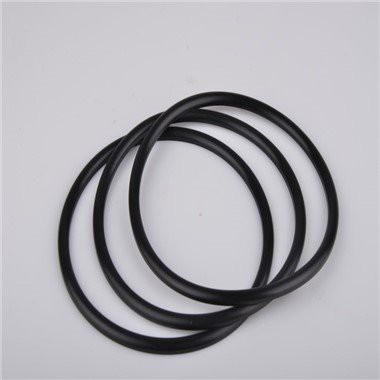

Are rubber plugs waterproof? That's a question I get asked a lot as a rubber plugs supplier. And the answer is... it depends. In this blog post, I'll dive into what makes rubber plugs waterproof, the factors that can affect their waterproofing abilities, and where you can find high - quality rubber plugs for your needs.
Let's start with the basics. Rubber is a naturally flexible and elastic material. These properties make it a great candidate for creating plugs that can seal openings and keep water out. Most rubber plugs are made from materials like silicone, neoprene, or nitrile rubber, each with its own unique set of characteristics.
Silicone rubber is super popular when it comes to making waterproof plugs. It has excellent resistance to extreme temperatures, UV light, and chemicals. Silicone Rubber Plugs are often used in applications where the plug will be exposed to harsh environmental conditions. For example, in outdoor lighting fixtures, silicone rubber plugs can prevent water from seeping in and damaging the electrical components. They're also great for medical devices, as silicone is biocompatible and can be sterilized easily.
Neoprene rubber is another option. It's known for its good resistance to oil, water, and weathering. Neoprene plugs are commonly used in automotive applications. Think about those little holes in your car's body panels. Neoprene plugs can be inserted to keep water, dirt, and debris from getting inside.
Nitrile rubber, on the other hand, is highly resistant to oil and fuel. While it's not as well - known for its waterproofing as silicone or neoprene, it can still do a decent job in keeping water out in certain situations. For instance, in industrial machinery where there might be some exposure to both oil and water, nitrile rubber plugs can be a practical choice.
But here's the thing. Just because a plug is made of rubber doesn't automatically mean it's 100% waterproof. There are several factors that can affect how well a rubber plug keeps water out.
First up is the fit. A rubber plug needs to fit snugly into the opening it's meant to seal. If there's even a tiny gap between the plug and the surface, water can find its way through. This is why it's crucial to choose the right size plug for the job. We offer a wide range of Rubber Plug For Different Application to ensure you can find the perfect fit for your specific needs. Whether you need a small plug for a delicate electronic device or a large one for an industrial pipe, we've got you covered.
The condition of the rubber also matters. Over time, rubber can degrade due to exposure to heat, sunlight, chemicals, or just general wear and tear. When rubber degrades, it loses its elasticity and flexibility, which can lead to cracks and leaks. Regular inspection and replacement of rubber plugs are important to maintain their waterproofing capabilities.
The pressure of the water is another factor. If there's a high - pressure stream of water hitting the plug, it might be more difficult for the plug to hold up. For example, in a high - pressure plumbing system, you'll need a rubber plug that's designed to withstand the force of the water.
Now, let's talk about some of the cool features we offer with our rubber plugs. We have Color Rubber Silicone Plugs. These aren't just functional but also look great. You can choose from a variety of colors to match your product's aesthetics or to use color - coding for different applications. For example, in a manufacturing plant, you could use different colored plugs to indicate different types of pipes or equipment.
We also offer custom - made rubber plugs. If you have a unique application that requires a plug with specific dimensions, shapes, or properties, we can work with you to create the perfect solution. Our team of experts has years of experience in the rubber molding industry and can ensure that your custom plug meets all your requirements.
So, if you're in the market for waterproof rubber plugs, whether it's for a small DIY project or a large - scale industrial application, we're here to help. Our rubber plugs are made from high - quality materials and are designed to provide reliable waterproofing. We understand that every customer's needs are different, and we're committed to providing the best products and services.
If you're interested in learning more about our rubber plugs or want to discuss your specific requirements, don't hesitate to reach out. We're always happy to have a chat and help you find the right rubber plug for your situation. Whether it's answering your questions about waterproofing, providing samples, or giving you a quote, we're here for you.
In conclusion, rubber plugs can be waterproof, but it's important to consider the material, fit, condition, and the water pressure. With our wide range of rubber plugs and custom - made options, you can be confident that you'll find a solution that works for you. So, take the first step and get in touch with us today to start your journey towards finding the perfect waterproof rubber plug.
References


- Various industry reports on rubber materials and their properties
- In - house research and development data on rubber plug performance