What is the electrical insulation property of rubber gaskets?
As a supplier of rubber gaskets, I've had numerous inquiries about the electrical insulation properties of these versatile components. Rubber gaskets are used in a wide range of applications, from household appliances to high - tech electrical equipment, and understanding their electrical insulation capabilities is crucial for both manufacturers and end - users.
Understanding Electrical Insulation
Electrical insulation refers to the ability of a material to resist the flow of electric current. Materials with high electrical insulation properties have a large number of bound electrons that are not free to move, which means they do not conduct electricity easily. In contrast, conductors, such as metals, have a large number of free electrons that can move freely and carry an electric current.
Why Electrical Insulation in Rubber Gaskets Matters
In electrical systems, rubber gaskets serve multiple purposes. Firstly, they provide a physical barrier between different electrical components, preventing short - circuits and electrical leakage. For example, in a circuit board, a rubber gasket can separate different conductive paths, ensuring that electricity flows only where it is intended to. Secondly, in environments where there is a risk of electrical shock, such as in power plants or electrical appliances, rubber gaskets can act as a safety measure by insulating users from live electrical parts.


Factors Affecting the Electrical Insulation of Rubber Gaskets
- Rubber Material Type
- Different types of rubber have different electrical insulation properties. For instance, silicone rubber is known for its excellent electrical insulation characteristics. It has a high dielectric strength, which means it can withstand a relatively high voltage without breaking down and conducting electricity. You can learn more about Silicone Rubber For Gaskets on our website.
- Natural rubber also has good insulation properties, but it may be more susceptible to degradation over time due to environmental factors such as heat, oxygen, and ozone.
- Neoprene rubber offers a balance between mechanical properties and electrical insulation. It is resistant to oil, chemicals, and weathering, making it suitable for applications where both insulation and durability are required.
- Additives and Fillers
- The addition of certain additives and fillers can significantly affect the electrical insulation of rubber gaskets. For example, carbon black is a common filler used in rubber. While it can improve the mechanical properties of the rubber, such as tensile strength and abrasion resistance, it can also reduce the electrical insulation if used in large amounts. On the other hand, some inorganic fillers like silica can enhance the electrical insulation properties while also improving other characteristics such as heat resistance.
- Temperature and Humidity
- Temperature and humidity can have a profound impact on the electrical insulation of rubber gaskets. As the temperature increases, the resistance of the rubber decreases, which means it becomes a better conductor of electricity. High humidity can also cause the surface of the rubber to absorb moisture, which can lead to a decrease in electrical insulation. In some cases, moisture can even cause corrosion of the electrical components in contact with the rubber gasket, further compromising the insulation performance.
Measuring the Electrical Insulation of Rubber Gaskets
There are several methods to measure the electrical insulation properties of rubber gaskets. One of the most common methods is to measure the dielectric strength. Dielectric strength is defined as the maximum electric field that a material can withstand without breaking down and conducting electricity. It is usually measured in volts per unit thickness (e.g., volts per millimeter).
Another important parameter is the volume resistivity, which measures the resistance of a unit volume of the rubber material. A high volume resistivity indicates good electrical insulation. Surface resistivity is also measured, which is related to the resistance of the surface of the rubber gasket.
Applications of Rubber Gaskets Based on Electrical Insulation
- Electrical Appliances
- In household appliances such as refrigerators, washing machines, and microwave ovens, rubber gaskets are used to insulate electrical components from the external environment. For example, the door gasket of a microwave oven not only seals the oven to prevent heat and radiation leakage but also insulates the electrical circuits inside the oven from the user.
- Automotive Industry
- In cars, rubber gaskets are used in the electrical systems to insulate wiring harnesses, connectors, and switches. They help prevent electrical shorts, which can lead to malfunctions or even safety hazards. For example, the rubber gaskets around the battery terminals help insulate the high - voltage electrical connections and prevent corrosion.
- Power Generation and Distribution
- In power plants and electrical substations, rubber gaskets are used in transformers, switchgear, and other high - voltage equipment. They provide insulation between different electrical components and help maintain the integrity of the electrical system. For example, rubber gaskets are used in the bushings of transformers to insulate the high - voltage conductors from the transformer tank.
Our Product Range and Quality Assurance
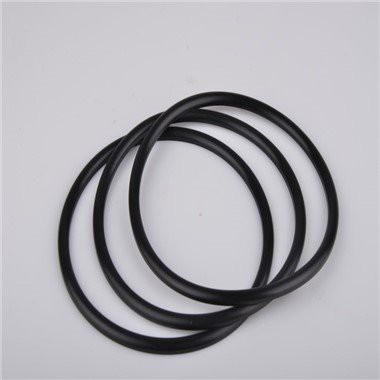
As a rubber gaskets supplier, we offer a wide range of products with different electrical insulation properties to meet the diverse needs of our customers. Our Rubber Round Gasket Material is available in various materials and sizes, suitable for different electrical applications. We also have Rubber Damper Gasket that not only provides electrical insulation but also has damping properties to reduce vibrations.
We ensure the quality of our rubber gaskets through strict quality control measures. Each batch of products is tested for electrical insulation properties, mechanical properties, and chemical resistance. Our testing facilities are equipped with state - of - the - art equipment to ensure accurate and reliable results.
Conclusion
The electrical insulation property of rubber gaskets is a critical factor in many electrical applications. Understanding the factors that affect this property, such as rubber material type, additives, temperature, and humidity, is essential for selecting the right rubber gasket for a specific application. As a supplier, we are committed to providing high - quality rubber gaskets with excellent electrical insulation properties. If you are interested in our products or have any questions about the electrical insulation of rubber gaskets, please feel free to contact us for procurement and further discussions.
References
- "Handbook of Rubber Technology" by K. C. Gupta
- "Electrical Insulation Materials: Properties and Applications" by J. C. J. Bartkowiak