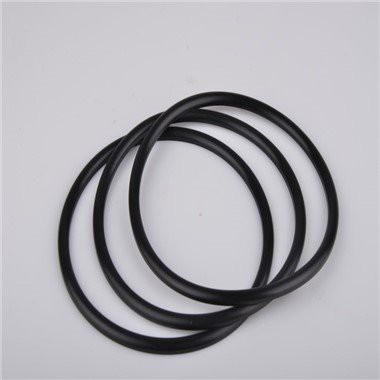

As a leading supplier of Rubber O - rings, I understand the critical importance of dimensional stability in these essential sealing components. Dimensional stability refers to the ability of an O - ring to maintain its original shape, size, and physical properties over time, under various environmental conditions and mechanical stresses. Ensuring this stability is crucial for the proper functioning of O - rings in a wide range of applications, from automotive engines to aerospace systems. In this blog post, I will share some key strategies and considerations to help you ensure the dimensional stability of rubber O - rings.
Material Selection
The choice of rubber material is the first and most fundamental step in ensuring dimensional stability. Different rubber compounds have distinct properties that can significantly affect how an O - ring responds to temperature, pressure, and chemical exposure.


- Nitrile Rubber (NBR): NBR is one of the most commonly used materials for O - rings due to its excellent resistance to oil, fuel, and hydraulic fluids. It offers good mechanical properties and relatively stable dimensions within a moderate temperature range (-40°C to 100°C). However, at higher temperatures or in the presence of certain chemicals, NBR may experience swelling or shrinkage, which can compromise its dimensional stability.
- Neoprene Rubber (CR): Neoprene is known for its good resistance to weathering, ozone, and chemicals. It has better heat resistance than NBR, with a temperature range of approximately -40°C to 120°C. Neoprene O - rings are often used in outdoor applications or in environments where exposure to sunlight and harsh chemicals is expected. You can find high - quality Neoprene Rubber Orings in our product range, which are designed to maintain their dimensions under challenging conditions.
- Silicone Rubber (VMQ): Silicone rubber offers excellent high - and low - temperature resistance, with a wide operating range from -60°C to 230°C. It is also highly flexible and has good electrical insulation properties. Silicone Rubber O Rings Low Temperature Resistant Seals are ideal for applications where extreme temperature variations are common, such as in refrigeration systems or aerospace equipment. However, silicone rubber may have lower tear strength and chemical resistance compared to other materials, so it needs to be carefully selected based on the specific application requirements.
- Fluorocarbon Rubber (FKM): FKM is renowned for its outstanding chemical resistance, especially to fuels, oils, and aggressive chemicals. It can withstand high temperatures up to 250°C, making it suitable for demanding applications in the automotive, chemical, and aerospace industries. FKM O - rings are more expensive than other materials but offer superior dimensional stability in harsh environments.
Manufacturing Process
The manufacturing process of rubber O - rings also plays a vital role in ensuring their dimensional stability. Here are some key aspects to consider:
- Molding Techniques: Compression molding, injection molding, and transfer molding are the most common methods for manufacturing O - rings. Each technique has its own advantages and limitations in terms of dimensional accuracy and production efficiency. Injection molding, for example, generally offers higher precision and better control over the dimensions of the O - ring compared to compression molding. However, the choice of molding technique depends on factors such as the size, complexity, and quantity of the O - rings to be produced.
- Curing Process: The curing process is crucial for developing the desired physical properties of the rubber. Over - curing or under - curing can lead to dimensional changes and reduced performance of the O - ring. The curing time, temperature, and pressure need to be carefully controlled to ensure that the rubber reaches its optimal cross - linking density. This helps to maintain the shape and size of the O - ring and improve its resistance to deformation.
- Quality Control: Implementing strict quality control measures during the manufacturing process is essential to ensure the dimensional accuracy of O - rings. This includes regular inspections using precision measuring instruments such as calipers, micrometers, and optical comparators. Any O - rings that do not meet the specified dimensional tolerances should be rejected to prevent potential issues in the final application.
Environmental Factors
The operating environment of the O - ring can have a significant impact on its dimensional stability. Here are some common environmental factors to consider:
- Temperature: Temperature variations can cause the rubber to expand or contract, leading to changes in the dimensions of the O - ring. Extreme temperatures can also accelerate the aging process of the rubber, reducing its mechanical properties and dimensional stability over time. It is important to select a rubber material that can withstand the expected temperature range of the application. For example, if the O - ring will be exposed to high temperatures, a heat - resistant material such as FKM or silicone rubber should be chosen.
- Pressure: High pressure can cause the O - ring to deform or extrude, especially if the sealing groove is not properly designed. The material and hardness of the O - ring need to be selected based on the pressure requirements of the application. Harder O - rings are generally more resistant to extrusion under high pressure, but they may also require more force to install and may have reduced sealing performance in some cases.
- Chemical Exposure: Exposure to chemicals such as oils, fuels, solvents, and acids can cause the rubber to swell, shrink, or degrade. Different rubber materials have different levels of chemical resistance, so it is important to select a material that is compatible with the chemicals present in the application environment. For example, if the O - ring will be in contact with gasoline, a fuel - resistant material such as NBR or FKM should be used.
Design Considerations
Proper design of the O - ring and its sealing groove is essential for ensuring dimensional stability and optimal sealing performance. Here are some design considerations:
- Sealing Groove Dimensions: The dimensions of the sealing groove, including the width, depth, and diameter, need to be carefully designed to accommodate the O - ring and provide a proper sealing force. The groove should be machined with high precision to ensure a consistent fit with the O - ring. A poorly designed groove can cause the O - ring to be over - compressed or under - compressed, leading to dimensional changes and potential leakage.
- O - Ring Cross - Section: The cross - section of the O - ring, such as round, square, or rectangular, can affect its sealing performance and dimensional stability. Round cross - sections are the most common and offer good flexibility and sealing ability. However, square or rectangular cross - sections may be used in applications where a more precise sealing area is required.
- Clearance and Tolerance: Adequate clearance between the O - ring and the mating parts is necessary to allow for installation and movement without causing excessive stress on the O - ring. The tolerance of the O - ring dimensions and the sealing groove dimensions should be carefully specified to ensure a proper fit. Tight tolerances can improve the sealing performance but may also increase the manufacturing cost.
Storage and Handling
Proper storage and handling of rubber O - rings are also important to maintain their dimensional stability. Here are some tips:
- Storage Conditions: O rings should be stored in a cool, dry, and dark place away from direct sunlight, heat sources, and ozone - generating equipment. Exposure to sunlight, heat, and ozone can accelerate the aging process of the rubber and cause dimensional changes. The storage temperature should be kept within the recommended range for the specific rubber material.
- Handling Precautions: When handling O - rings, care should be taken to avoid scratching, cutting, or stretching them. Sharp tools or rough surfaces can damage the O - ring and affect its dimensional accuracy. O - rings should be installed using proper installation tools and techniques to ensure a proper fit and prevent any deformation.
Customization Options
In some cases, standard O - rings may not meet the specific requirements of the application. That's where our Limitless Option Custom O Ring service comes in. We can customize O - rings in terms of material, size, shape, and hardness to meet your unique needs. Our experienced engineering team will work closely with you to understand your application requirements and design the most suitable O - ring solution. Whether you need an O - ring with special chemical resistance, a non - standard size, or a specific cross - section, we have the expertise and capabilities to deliver high - quality custom O - rings with excellent dimensional stability.
In conclusion, ensuring the dimensional stability of rubber O - rings requires a comprehensive approach that considers material selection, manufacturing process, environmental factors, design considerations, and proper storage and handling. By following these strategies and working with a reliable supplier, you can ensure that your O - rings perform effectively and maintain their dimensions over time. If you have any questions or need assistance in selecting the right O - rings for your application, please feel free to contact us for a consultation. We are committed to providing you with the best - quality products and services to meet your sealing needs.
References
- "Rubber Sealing Technology" by John P. Carr
- "Handbook of Elastomers" edited by Ibrahim I. Rubin
- Technical literature from rubber material manufacturers such as DuPont, Dow Corning, and Zeon Chemicals.