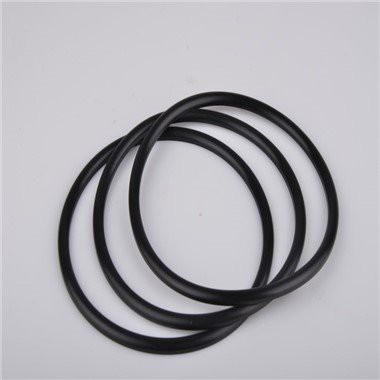

When it comes to D - rings, two of the most commonly used materials are rubber and plastic. As a supplier of rubber D - rings, I have in - depth knowledge of the differences between these two types of D - rings. In this blog, I will explore the characteristics, advantages, disadvantages, and applications of rubber D - rings and plastic D - rings, helping you make a more informed choice.
Physical and Chemical Properties
Rubber D - Rings
Rubber is a highly elastic polymer material. Its molecular structure allows it to deform under external forces and return to its original shape when the force is removed. This elasticity is a key characteristic of rubber D - rings. For example, natural rubber has excellent tensile strength and elongation at break, which means it can withstand significant stretching without breaking.
In terms of chemical properties, rubber has good resistance to many substances. It can resist water, oil, and some chemicals to a certain extent. However, the resistance varies depending on the type of rubber. For instance, nitrile rubber has better oil resistance compared to natural rubber, making it suitable for applications where contact with oil is common.
Rubber D - rings also have good sealing properties. Their elasticity allows them to conform to irregular surfaces, creating a tight seal. This makes them ideal for use in applications where preventing leakage is crucial, such as in plumbing systems or hydraulic machinery. You can find more information about the sealing applications of rubber D - rings here.
Plastic D - Rings
Plastic, on the other hand, is a synthetic polymer material. There are many types of plastics, each with its own unique properties. For example, polypropylene is a lightweight plastic with good chemical resistance and low moisture absorption. It is rigid and has a relatively high melting point, which makes it suitable for applications where high - temperature resistance is required.
Plastic D - rings are generally stiffer than rubber D - rings. They do not have the same level of elasticity as rubber, which means they cannot deform as easily. However, this stiffness can be an advantage in some applications, such as in cases where a fixed shape needs to be maintained.
In terms of chemical resistance, different plastics have different levels of resistance to various substances. Some plastics are highly resistant to acids and alkalis, while others may be more susceptible to chemical attack.
Advantages
Rubber D - Rings
- Elasticity and Flexibility: The high elasticity of rubber D - rings allows them to adapt to different shapes and sizes. They can be stretched over objects and then return to their original shape, providing a secure fit. This makes them suitable for use in applications where a flexible connection is needed, such as in the attachment of flat rubber straps. You can learn more about rubber D - rings for flat rubber straps here.
- Sealing Performance: As mentioned earlier, rubber D - rings have excellent sealing properties. They can prevent the leakage of liquids and gases, which is essential in many industrial and household applications. For example, in a car engine, rubber D - rings are used to seal various components to prevent oil and coolant leakage.
- Shock Absorption: Rubber has good shock - absorbing properties. When used in applications where vibration or impact is present, rubber D - rings can help reduce the stress on the connected parts, prolonging their service life.
Plastic D - Rings
- Cost - Effectiveness: Plastic is generally less expensive than rubber, especially for large - scale production. This makes plastic D - rings a more cost - effective option for applications where cost is a major consideration.
- Lightweight: Plastic D - rings are lightweight, which is an advantage in applications where weight is a concern, such as in the aerospace or automotive industries.
- Chemical Resistance: Some plastics have excellent chemical resistance, making plastic D - rings suitable for use in harsh chemical environments where rubber may not be able to withstand the chemical attack.
Disadvantages
Rubber D - Rings
- Limited Temperature Range: Rubber has a limited temperature range within which it can maintain its properties. At high temperatures, rubber may lose its elasticity and become brittle, while at low temperatures, it may harden and lose its sealing ability.
- Susceptibility to UV Radiation: Rubber is susceptible to damage from UV radiation. Prolonged exposure to sunlight can cause the rubber to degrade, reducing its performance and lifespan.
- Higher Cost: Compared to plastic D - rings, rubber D - rings are generally more expensive, especially for high - performance rubber materials.
Plastic D - Rings
- Lack of Elasticity: The stiffness of plastic D - rings means they cannot provide the same level of flexibility as rubber D - rings. This can be a disadvantage in applications where a tight and flexible fit is required.
- Poor Sealing in Some Cases: Due to their lack of elasticity, plastic D - rings may not be able to create a tight seal on irregular surfaces as effectively as rubber D - rings.
- Brittleness: Some plastics can become brittle over time, especially when exposed to extreme temperatures or certain chemicals. This can lead to cracking and failure of the D - ring.
Applications
Rubber D - Rings
- Sealing Applications: Rubber D - rings are widely used in sealing applications, such as in pipes, valves, and hydraulic cylinders. Their ability to create a tight seal makes them essential for preventing leakage and ensuring the proper functioning of these systems. You can find detailed information about rubber D - ring seals here.
- Automotive Industry: In the automotive industry, rubber D - rings are used in various components, including engine gaskets, door seals, and fuel system seals. Their elasticity and sealing properties help ensure the reliability and safety of the vehicle.
- Medical Devices: Rubber D - rings are also used in medical devices, such as syringes and catheters. Their biocompatibility and sealing properties make them suitable for use in contact with the human body.
Plastic D - Rings
- Packaging Industry: Plastic D - rings are commonly used in the packaging industry for hanging products on display racks. Their lightweight and cost - effectiveness make them a popular choice for this application.
- Crafts and DIY Projects: Plastic D - rings are often used in crafts and DIY projects due to their availability in different colors and sizes. They can be used for making jewelry, keychains, and other decorative items.
- Agricultural Equipment: In agricultural equipment, plastic D - rings are used for attaching parts and securing straps. Their chemical resistance and low cost make them suitable for use in outdoor environments.
Conclusion
In conclusion, both rubber D - rings and plastic D - rings have their own unique characteristics, advantages, and disadvantages. The choice between the two depends on the specific requirements of the application. If elasticity, sealing performance, and shock absorption are important, rubber D - rings are the better choice. On the other hand, if cost - effectiveness, lightweight, and chemical resistance are the main considerations, plastic D - rings may be more suitable.
As a supplier of rubber D - rings, I can provide high - quality rubber D - rings that meet your specific needs. Whether you need rubber D - rings for sealing applications, automotive components, or medical devices, I have the expertise and resources to supply you with the right product. If you are interested in purchasing rubber D - rings, I invite you to contact me for further discussion and to explore the best options for your project.


References
- "Handbook of Elastomers" by B. S. Nijhawan
- "Plastics Engineering Handbook" by Myer Kutz