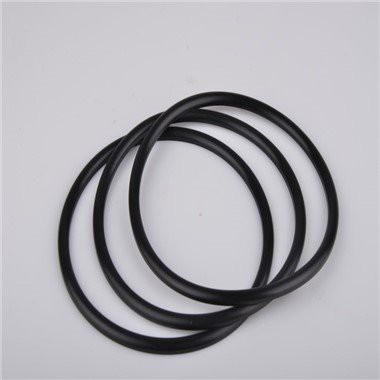

What is the Aging Resistance of a Rubber Ring?
As a seasoned rubber ring supplier, I've witnessed firsthand the critical role that aging resistance plays in the performance and longevity of rubber rings. In this blog post, I'll delve into the concept of aging resistance in rubber rings, explore the factors that affect it, and discuss how it impacts various applications.
Understanding Aging Resistance in Rubber Rings
Aging resistance refers to a rubber ring's ability to maintain its physical and chemical properties over time, despite exposure to various environmental factors. These factors can include heat, oxygen, ozone, light, moisture, chemicals, and mechanical stress. When a rubber ring ages, it can undergo a series of changes, such as hardening, cracking, swelling, or loss of elasticity, which can compromise its performance and lead to failure.
The aging process in rubber is primarily driven by two types of reactions: oxidation and cross - linking. Oxidation occurs when the rubber molecules react with oxygen in the air, forming free radicals that can break down the polymer chains. Cross - linking, on the other hand, involves the formation of new chemical bonds between the polymer chains, which can cause the rubber to become harder and less flexible.
Factors Affecting the Aging Resistance of Rubber Rings
1. Rubber Material
Different types of rubber have varying degrees of aging resistance. For example, silicone rubber is known for its excellent heat and ozone resistance, making it suitable for high - temperature applications and outdoor use. Fluorocarbon rubber (FKM) offers exceptional chemical resistance and can withstand harsh chemicals and high - temperature environments. Nitrile rubber (NBR), on the other hand, is commonly used in oil and fuel applications due to its good oil resistance, but it may not perform as well in high - temperature or ozone - rich environments.
2. Temperature
Temperature is one of the most significant factors affecting the aging of rubber rings. High temperatures can accelerate the oxidation and cross - linking reactions, leading to faster aging. For every 10°C increase in temperature, the rate of chemical reactions in rubber can approximately double. Therefore, rubber rings used in high - temperature applications need to be made from materials with good heat resistance, such as silicone or FKM.
3. Oxygen and Ozone
Oxygen and ozone in the atmosphere can react with rubber molecules, causing oxidation and degradation. Ozone is particularly damaging to rubber, as it can cause surface cracking and embrittlement. Rubber rings used in outdoor or industrial environments where ozone levels are high need to be made from ozone - resistant materials, such as EPDM (ethylene propylene diene monomer) rubber.
4. Chemical Exposure
Exposure to chemicals can also affect the aging resistance of rubber rings. Some chemicals, such as acids, bases, solvents, and oils, can react with rubber, causing swelling, dissolution, or chemical degradation. Rubber rings used in chemical - handling applications need to be selected based on their chemical compatibility with the specific chemicals they will come into contact with.
5. Mechanical Stress
Mechanical stress, such as compression, tension, or shear, can also contribute to the aging of rubber rings. Continuous stress can cause the rubber to fatigue and crack over time. Proper design and installation of rubber rings are essential to minimize mechanical stress and ensure their long - term performance.


Importance of Aging Resistance in Different Applications
1. Automotive Industry
In the automotive industry, rubber rings are used in various applications, such as engine seals, fuel systems, and suspension components. These rubber rings need to have good aging resistance to withstand the high - temperature, oil - rich, and chemically aggressive environments in the engine compartment. A failure of a rubber ring in an automotive application can lead to leaks, reduced performance, and even safety hazards.
2. Aerospace Industry
The aerospace industry has extremely high requirements for the reliability and performance of rubber rings. Rubber rings used in aerospace applications need to be able to withstand extreme temperatures, high - altitude conditions, and exposure to various chemicals and fuels. Aging resistance is crucial to ensure the long - term integrity of these components and prevent failures during flight.
3. Industrial Equipment
In industrial equipment, rubber rings are used for sealing, vibration isolation, and noise reduction. They are often exposed to harsh environments, including high temperatures, chemicals, and mechanical stress. Good aging resistance is necessary to maintain the performance of the equipment and prevent downtime due to rubber ring failures.
How to Improve the Aging Resistance of Rubber Rings
1. Material Selection
Choosing the right rubber material is the first step in improving the aging resistance of rubber rings. Consider the specific application requirements, including temperature, chemical exposure, and mechanical stress, when selecting a rubber material. For example, if the application involves high - temperature and ozone - rich environments, silicone or EPDM rubber may be a good choice.
2. Additives
Additives can be used to enhance the aging resistance of rubber rings. Antioxidants and antiozonants are commonly added to rubber compounds to prevent oxidation and ozone degradation. These additives can extend the service life of rubber rings by reducing the rate of chemical reactions.
3. Proper Design and Installation
Proper design and installation of rubber rings are also important for improving their aging resistance. Ensure that the rubber ring is installed correctly, with the appropriate amount of compression and clearance. Avoid over - stretching or over - compressing the rubber ring, as this can lead to premature aging and failure.
Our Rubber Ring Products and Aging Resistance
As a leading rubber ring supplier, we offer a wide range of rubber rings with excellent aging resistance. Our Customized Rubber Ring can be tailored to meet your specific application requirements, including material selection, size, and shape. We also provide Molded Rubber Ring and Rubber Square Ring options, which are manufactured using advanced molding techniques to ensure high - quality and consistent performance.
We use high - quality rubber materials and carefully selected additives to enhance the aging resistance of our rubber rings. Our products are rigorously tested to meet international standards and ensure their reliability and durability in various applications.
Contact Us for Your Rubber Ring Needs
If you are looking for high - quality rubber rings with excellent aging resistance, we are here to help. Our team of experts can provide you with professional advice on material selection, product design, and installation. Whether you need a small quantity of customized rubber rings or a large - scale production order, we can meet your requirements.
Contact us today to discuss your rubber ring needs and start a partnership that will ensure the long - term performance of your applications.
References
- Brydson, J. A. (1999). Rubber Chemistry. Oxford University Press.
- Morton, M. (1987). Rubber Technology. Van Nostrand Reinhold.
- ASTM International. (2019). ASTM D573 - 19: Standard Test Method for Rubber - Deterioration in an Air Oven.