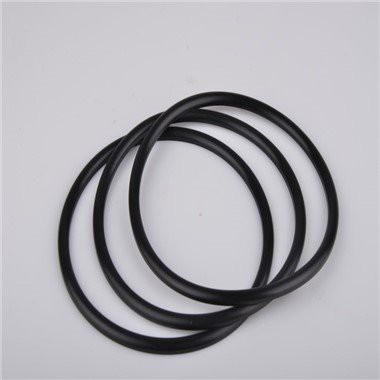
As a solid O - ring supplier, I often get asked about the proper storage conditions for unused solid O - rings. Ensuring that these essential sealing components are stored correctly is crucial for maintaining their quality and performance over time. In this blog post, I'll delve into the key factors that influence the storage of solid O - rings and provide practical guidelines to help you preserve their integrity.
Temperature
Temperature plays a significant role in the storage of solid O - rings. Extreme temperatures can have detrimental effects on the rubber material, causing it to harden, become brittle, or lose its elasticity.
For most rubber compounds used in solid O - rings, the ideal storage temperature range is between 20°C and 25°C (68°F and 77°F). Storing O - rings within this range helps to maintain the chemical and physical properties of the rubber. When exposed to high temperatures, the rubber may undergo thermal degradation, which can lead to a reduction in its sealing ability. On the other hand, low temperatures can cause the rubber to stiffen, making it less flexible and more prone to cracking during installation.
If you need to store O - rings in an environment where the temperature cannot be precisely controlled, try to avoid areas that are subject to significant temperature fluctuations. For example, do not store them near heaters, radiators, or in direct sunlight, as these can cause rapid and extreme temperature changes.
Humidity
Humidity is another important factor to consider when storing solid O - rings. High humidity levels can lead to the growth of mold and mildew on the surface of the O - rings, which can compromise their integrity. Additionally, excessive moisture can cause the rubber to swell or absorb water, altering its dimensions and performance.
The recommended relative humidity for storing O - rings is between 40% and 60%. To maintain this level of humidity, you can use dehumidifiers or humidity - controlled storage cabinets. If you are storing O - rings in a large warehouse, it may be necessary to install a central humidity control system.
Avoid storing O - rings in areas with poor ventilation, as stagnant air can trap moisture and increase the humidity level. Also, make sure that the storage area is clean and dry to prevent the accumulation of dust and debris, which can also damage the O - rings.
Light Exposure
Exposure to light, especially ultraviolet (UV) light, can cause the rubber in solid O - rings to deteriorate. UV light can break down the chemical bonds in the rubber, leading to discoloration, cracking, and a loss of elasticity.
To protect O - rings from light exposure, store them in opaque containers or in a dark storage area. If you need to use transparent containers, make sure they are made of a material that blocks UV light. Avoid storing O - rings near windows or in areas where they will be exposed to direct sunlight for extended periods.
Chemical Exposure
Solid O - rings can be sensitive to various chemicals, including solvents, oils, and cleaning agents. Exposure to these chemicals can cause the rubber to swell, dissolve, or become brittle.


When storing O - rings, keep them away from any sources of chemical contamination. Do not store them near chemicals such as gasoline, alcohol, or strong acids and bases. If you need to clean the storage area, use mild, non - abrasive cleaning agents that are compatible with the rubber material.
If you are handling O - rings in an industrial environment where they may come into contact with chemicals, make sure to use appropriate protective equipment and follow proper handling procedures.
Packaging
Proper packaging is essential for protecting solid O - rings during storage. O - rings should be stored in sealed plastic bags or containers to prevent dust, moisture, and other contaminants from reaching them.
When packaging O - rings, make sure to label them clearly with the type of rubber, size, and any other relevant information. This will help you to easily identify and select the right O - rings when needed.
If you are storing a large quantity of O - rings, consider using a storage rack or organizer to keep them organized and prevent them from being damaged.
Specific O - Ring Types and Their Storage
Different types of solid O - rings may have specific storage requirements based on the rubber material they are made of.
- Rubber O - ring For Pump: These O - rings are often used in pump applications and may be exposed to various fluids and pressures. When storing Rubber O - ring For Pump, follow the general storage guidelines mentioned above. However, if the O - rings are made of a specialized rubber compound for pump applications, make sure to check the manufacturer's recommendations for any additional storage requirements.
- Buna Nitrile O Rings: Buna nitrile is a common rubber material used in O - rings due to its good resistance to oil and fuel. Buna Nitrile O Rings should be stored in a cool, dry place away from sources of heat and light. They are also relatively resistant to most chemicals, but it's still important to avoid contact with strong oxidizing agents.
- Silicon Rubber O Rings Set: Silicon rubber O - rings are known for their high - temperature resistance and flexibility. Silicon Rubber O Rings Set can generally tolerate a wider range of temperatures compared to other rubber materials. However, they can be affected by certain chemicals, so it's important to store them away from any potential sources of chemical contamination.
Conclusion
Proper storage of unused solid O - rings is essential for maintaining their quality and performance. By controlling the temperature, humidity, light exposure, and chemical exposure, and using proper packaging, you can ensure that your O - rings remain in good condition until they are needed.
If you are in the market for high - quality solid O - rings or have any questions about their storage or application, please feel free to contact us for more information. We are a leading supplier of solid O - rings and can provide you with the right products and advice to meet your needs.
References
- "Rubber Sealing Products Handbook", Rubber Manufacturers Association
- "O - Ring Selection and Application Guide", Parker Hannifin Corporation