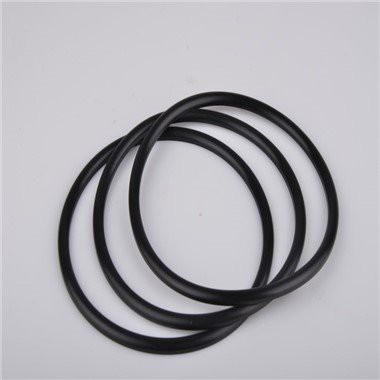

Can hollow O - rings be used in applications with dust or particles?
As a supplier of hollow O - rings, I often encounter inquiries about the suitability of our products in various environments, especially those with dust or particles. In this blog post, I'll delve into the potential uses of hollow O - rings in such conditions, exploring their advantages, limitations, and key considerations.
Understanding Hollow O - Rings
Hollow O - rings come in different materials, including Metal Hollow O - ring Gasket and Hollow Rubber O - rings. Metal hollow O - ring gaskets are typically made of materials like stainless steel, copper, or other alloys. They offer high strength, excellent temperature resistance, and good chemical stability. On the other hand, hollow rubber O - rings are made from various rubber compounds such as nitrile rubber (NBR), ethylene - propylene diene monomer (EPDM), and fluorocarbon rubber (FKM). These rubber materials provide good flexibility, sealing performance, and are often more cost - effective.


Advantages of Using Hollow O - Rings in Dusty or Particulate Environments
Sealing Capability
One of the primary advantages of hollow O - rings is their ability to provide a reliable seal. The hollow design allows the O - ring to deform under pressure, filling the gaps between mating surfaces more effectively. In dusty or particulate environments, this sealing property can prevent the ingress of dust and particles into the system. For example, in industrial machinery where dust is generated during the manufacturing process, a well - sealed hollow O - ring can protect sensitive components from damage caused by abrasive particles.
Flexibility
Hollow rubber O - rings, in particular, offer excellent flexibility. This flexibility enables them to adapt to irregular surfaces and compensate for minor misalignments between mating parts. In applications where there is vibration or movement, the flexible nature of the hollow O - ring helps maintain a consistent seal, reducing the risk of dust and particles entering the system.
Resistance to Abrasion
Some types of hollow O - rings, especially those made from high - quality rubber compounds or certain metals, have good resistance to abrasion. In dusty environments, where particles can act as abrasives, an abrasion - resistant O - ring can withstand the wear and tear caused by the movement of dust and particles. This extends the service life of the O - ring and ensures long - term sealing performance.
Limitations and Challenges
Contamination Build - up
Despite their sealing capabilities, hollow O - rings are not immune to contamination. Over time, dust and particles can accumulate on the surface of the O - ring. This build - up can affect the O - ring's sealing performance and may even cause damage to the O - ring itself. For example, if a large amount of fine dust adheres to the O - ring, it can prevent the O - ring from deforming properly under pressure, leading to leaks.
Compatibility with Particles
The compatibility between the O - ring material and the dust or particles in the environment is crucial. Some particles may be chemically reactive and can cause degradation of the O - ring material. For instance, certain acidic or alkaline particles can react with rubber O - rings, leading to swelling, cracking, or loss of elasticity.
Particle Entrapment
In some cases, the hollow design of the O - ring can actually trap dust and particles. If the trapped particles are not removed regularly, they can cause internal damage to the O - ring and affect its performance. This is particularly a concern in applications where the O - ring is subject to high - pressure or high - temperature conditions.
Key Considerations for Using Hollow O - Rings in Dusty or Particulate Environments
Material Selection
Choosing the right material for the hollow O - ring is essential. For applications with high levels of dust and particles, it is advisable to select materials that are resistant to abrasion, chemical attack, and have good sealing properties. For example, Hollow Rubber O - ring made from FKM is a good choice for applications where there are aggressive chemicals in addition to dust. Metal hollow O - rings may be more suitable for high - temperature and high - pressure applications with abrasive particles.
Maintenance and Cleaning
Regular maintenance and cleaning are necessary to ensure the proper functioning of hollow O - rings in dusty or particulate environments. This may involve periodic inspection of the O - rings for signs of wear, damage, or contamination. Cleaning methods can vary depending on the O - ring material and the type of particles. For rubber O - rings, a mild detergent and water solution can be used for cleaning, while metal O - rings may require more specialized cleaning agents.
Environmental Monitoring
Monitoring the environmental conditions, such as the concentration of dust and particles, temperature, and humidity, is important. This information can help in determining the appropriate O - ring material and the frequency of maintenance. For example, if the dust concentration is very high, more frequent cleaning and inspection of the O - rings may be required.
Real - World Applications
Mining Industry
In the mining industry, where there is a large amount of dust and particulate matter, hollow O - rings are used in various equipment such as pumps, valves, and conveyor systems. These O - rings help seal the components and prevent the ingress of dust, which can cause damage to the machinery and affect its performance.
Food and Beverage Industry
In the food and beverage industry, dust and particles can come from raw materials or the production process. Hollow O - rings are used in equipment like mixers, filling machines, and packaging equipment. They provide a hygienic seal and prevent the contamination of the products by dust and particles.
Conclusion
In conclusion, hollow O - rings can be used in applications with dust or particles, but it is important to carefully consider their advantages, limitations, and the specific requirements of the application. By selecting the appropriate O - ring material, implementing proper maintenance and cleaning procedures, and monitoring the environmental conditions, the performance and service life of the O - rings can be optimized.
If you are interested in purchasing high - quality hollow O - rings for your applications, whether in dusty environments or not, we are here to assist you. Our team of experts can help you choose the most suitable O - ring material and size based on your specific needs. Contact us for more information and to start a procurement discussion.
References
- "Sealing Technology Handbook" by R. K. Stokes
- "Rubber Materials and Their Applications" by Werner Hofmann
- "Industrial Sealing Technology" by John P. Blair