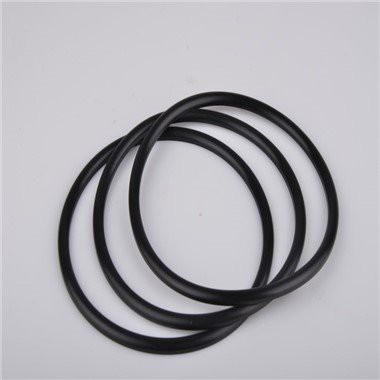

As a trusted supplier of rubber V - rings, I understand the importance of proper storage for these essential sealing components. Rubber V - rings are widely used in various industries, including automotive, machinery, and aerospace, to prevent the leakage of fluids and gases. Incorrect storage can lead to premature aging, deformation, and loss of sealing performance, which can ultimately result in costly downtime and maintenance. In this blog, I will share some scientific and practical tips on how to store rubber V - rings properly.
1. Control the Storage Environment
The storage environment plays a crucial role in maintaining the quality of rubber V - rings. Here are some key environmental factors to consider:
Temperature
Rubber is sensitive to temperature changes. High temperatures can accelerate the aging process of rubber, causing it to become brittle, hard, and lose its elasticity. On the other hand, extremely low temperatures can make the rubber stiff and more prone to cracking.
It is recommended to store rubber V - rings in an environment with a temperature range of 10°C to 30°C (50°F to 86°F). Avoid storing them near heat sources such as radiators, furnaces, or direct sunlight. If the storage area is subject to significant temperature fluctuations, consider using temperature - controlled storage units.
Humidity
Excessive humidity can cause rubber to absorb moisture, leading to mold growth, corrosion of metal components (if any), and degradation of the rubber material. Aim to keep the relative humidity in the storage area between 40% and 60%.
You can use dehumidifiers or desiccants to control the humidity level. Place desiccant packets in the storage containers to absorb excess moisture. Regularly check the desiccants and replace them when they are saturated.
Light
Ultraviolet (UV) light can cause rubber to deteriorate over time. Exposure to sunlight or strong artificial UV light can lead to discoloration, cracking, and loss of physical properties.
Store rubber V - rings in opaque containers or in a dark storage area. If the storage area has windows, use curtains or blinds to block out sunlight. When transporting the V - rings, make sure they are protected from direct light.
Air Circulation
Good air circulation is important to prevent the accumulation of volatile organic compounds (VOCs) and other harmful substances in the storage area. Poor air circulation can cause the rubber to absorb these substances, which can affect its performance.
Ensure that the storage area is well - ventilated. You can use fans or ventilation systems to improve air circulation. Avoid storing rubber V - rings in a sealed, air - tight environment for an extended period.
2. Choose the Right Storage Containers
The choice of storage containers can also impact the quality of rubber V - rings. Here are some considerations:
Material
Select storage containers made of materials that are compatible with rubber. Avoid using containers made of materials that can react with rubber, such as certain types of plastics or metals.
Plastic containers made of high - density polyethylene (HDPE) or polypropylene (PP) are good choices as they are inert and do not release harmful substances. Metal containers can be used if they are coated with a non - reactive material to prevent corrosion.
Size and Shape
Choose containers that are large enough to hold the rubber V - rings without squeezing or deforming them. Avoid overcrowding the containers, as this can cause the V - rings to stick together or become misshapen.
The shape of the container should also be suitable for the V - rings. For example, if the V - rings are large or have irregular shapes, use containers with enough depth and width to accommodate them.
Sealing
Containers should have a good seal to protect the V - rings from dust, moisture, and other contaminants. However, as mentioned earlier, do not make the container completely air - tight to allow for some air circulation.
You can use containers with snap - on lids or screw - on caps to ensure a tight seal. If necessary, use additional sealing materials such as gaskets or tape to enhance the seal.
3. Handling and Packaging
Proper handling and packaging are essential to prevent damage to rubber V - rings during storage and transportation.
Handling
When handling rubber V - rings, always wear clean gloves to prevent the transfer of oils, dirt, or other contaminants from your hands to the rubber. Avoid touching the sealing surfaces of the V - rings with bare hands, as this can leave fingerprints and affect the sealing performance.
Use clean tools such as tweezers or pliers to pick up and place the V - rings. Make sure the tools are smooth and do not have sharp edges that can damage the rubber.
Packaging
Before storing the V - rings, wrap them individually in clean, non - abrasive materials such as polyethylene film or tissue paper. This helps to protect the V - rings from scratches, dust, and other physical damage.
If you are storing multiple V - rings together, separate them with dividers or use individual compartments in the storage container to prevent them from rubbing against each other.
4. Labeling and Inventory Management
Proper labeling and inventory management are important for easy identification and tracking of rubber V - rings.
Labeling
Label each storage container with information such as the type of V - ring, size, material, quantity, and date of storage. This makes it easier to locate the required V - rings quickly and ensures that you use the oldest stock first (first - in, first - out principle).
You can use adhesive labels or write directly on the container using a permanent marker. Make sure the labels are clear and legible.
Inventory Management
Maintain an inventory system to keep track of the quantity, location, and usage of rubber V - rings. This helps to prevent overstocking or running out of essential V - rings.
Regularly conduct inventory checks to ensure that the actual stock matches the records. Update the inventory system whenever V - rings are added or removed from the storage area.
5. Regular Inspection
Regular inspection of rubber V - rings during storage is necessary to detect any signs of damage or degradation early.


Visual Inspection
Periodically check the V - rings for any visible signs of damage, such as cracks, cuts, discoloration, or swelling. If you notice any damage, remove the affected V - rings from the storage area and replace them with new ones.
Performance Testing
If possible, conduct performance tests on a sample of the V - rings at regular intervals. This can include tests for hardness, elasticity, and sealing performance. Compare the test results with the original specifications to determine if the V - rings are still in good condition.
Conclusion
Proper storage of rubber V - rings is essential to maintain their quality and performance. By controlling the storage environment, choosing the right storage containers, handling and packaging the V - rings correctly, implementing proper labeling and inventory management, and conducting regular inspections, you can ensure that your rubber V - rings remain in good condition for an extended period.
As a reliable Rubber V - ring supplier, we offer a wide range of high - quality V Ring Rubber Seals, V Shaped Rubber Rings, and Rubber Silicone V - ring. If you have any questions about rubber V - ring storage or if you are interested in purchasing our products, please feel free to contact us for further discussion.
References
- ASTM International. (2019). Standard Practice for Rubber - Deterioration - Surface Ozone Cracking in a Chamber. ASTM D1149 - 19.
- Rubber Manufacturers Association. (2017). Rubber Product Storage Guidelines. RMA Technical Bulletin.