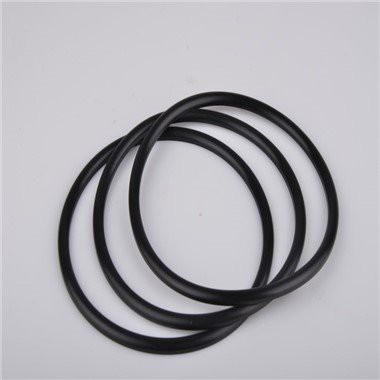

Hey there! I'm a supplier of solid O-rings, and I know how frustrating it can be when you've got a stuck solid O-ring that just won't budge. In this blog, I'm gonna share some tips on how to remove a stuck solid O-ring safely.
First off, let's understand what a solid O-ring is. Solid O-rings are used in a whole bunch of applications, from plumbing to automotive and even in industrial machinery. They're basically circular seals made of rubber or other elastomeric materials. They're super important for preventing leaks and keeping things running smoothly.
Now, if you're in the market for different types of solid O-rings, we've got some great options. Check out our Colored Rubber O Rings, which come in a variety of colors and can add a bit of style while still doing their job. And for those who need a set, our Silicon Rubber O Rings Set is a great choice. If you're looking for something smaller, we also have Small Rubber O Ring.
So, back to the main issue - removing a stuck solid O-ring. The first thing you need to do is assess the situation. Is the O-ring stuck because of dirt, debris, or maybe it's just been in place for a long time and has started to stick? Understanding the cause can help you choose the right method for removal.
Method 1: Using Lubrication
One of the simplest ways to remove a stuck O-ring is by using lubrication. You can use a silicone-based lubricant or even a little bit of soapy water. Just apply the lubricant around the O-ring and let it sit for a few minutes. The lubricant will help reduce the friction between the O-ring and the surface it's stuck to.
After applying the lubricant, try gently wiggling the O-ring back and forth. Sometimes, this simple movement can be enough to loosen it up. If the O-ring is in a groove, you can use a small, flat - tipped tool like a putty knife or a plastic pry bar to carefully lift one edge of the O-ring. Be really careful not to damage the O-ring or the surface it's in, as any damage could lead to leaks later on.
Method 2: Heat Application
Another method that can work well is applying heat. Heat causes the rubber to expand slightly, which can sometimes break the seal and make the O-ring easier to remove. You can use a heat gun on a low setting or even a hair dryer. Hold the heat source about 6 - 8 inches away from the O-ring and move it around evenly to avoid overheating any one spot.
As the O-ring heats up, keep an eye on it. Once it's warm, try to remove it using the same gentle wiggling and prying techniques as before. Just remember to let the O-ring cool down before handling it, as hot rubber can be sticky and more likely to tear.
Method 3: Using Specialized Tools
There are also some specialized tools available for removing O-rings. O-ring pick sets are a great option. These sets usually come with a variety of picks in different shapes and sizes. You can use the picks to carefully hook under the O-ring and pull it out.
When using these tools, make sure you're using the right pick for the job. A pick that's too large or too small can either damage the O-ring or not be effective at all. Start by inserting the pick under the edge of the O-ring as gently as possible and then slowly pull it out.
Safety Precautions
No matter which method you choose, safety should always be your top priority. When using heat, make sure you're in a well - ventilated area and keep flammable materials away. If you're using tools, wear safety glasses to protect your eyes from any flying debris.
Also, be aware that some O-rings may be in high - pressure or high - temperature environments. In these cases, it's important to follow proper safety procedures and maybe even consult a professional if you're not confident in your ability to remove the O-ring safely.

When to Replace the O-ring
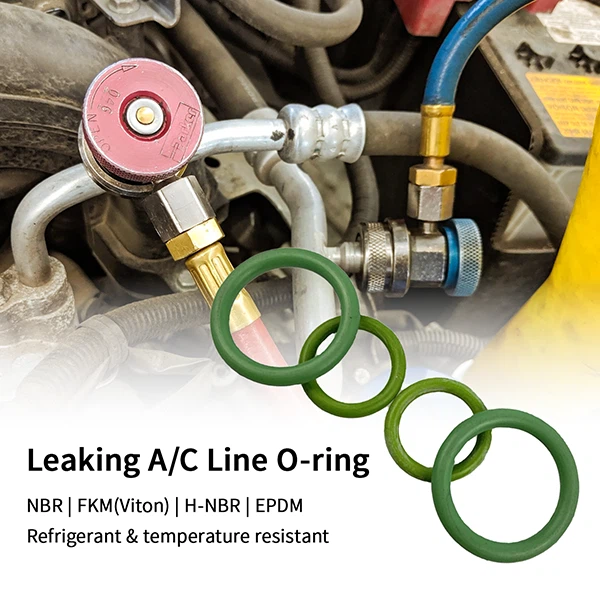
After removing the O-ring, take a close look at it. If it's damaged, cracked, or shows signs of excessive wear, it's a good idea to replace it. A damaged O-ring won't be able to do its job properly and could lead to leaks or other problems.
When replacing the O-ring, make sure you choose the right size and material for your application. Different applications require different types of O-rings, so it's important to do your research or consult with an expert.
Conclusion
Removing a stuck solid O-ring can be a bit of a hassle, but with the right methods and tools, it can be done safely. Whether you choose to use lubrication, heat, or specialized tools, always remember to take your time and be careful.
If you're in need of solid O-rings for your projects, we're here to help. We offer a wide range of high - quality solid O-rings that are suitable for various applications. If you have any questions about our products or need help choosing the right O-ring, feel free to reach out to us for a procurement discussion. We're always happy to assist you in finding the perfect solution for your needs.
References
- "O - Ring Handbook" by Parker Hannifin Corporation
- "Sealing Technology Handbook" by John H. Bickford