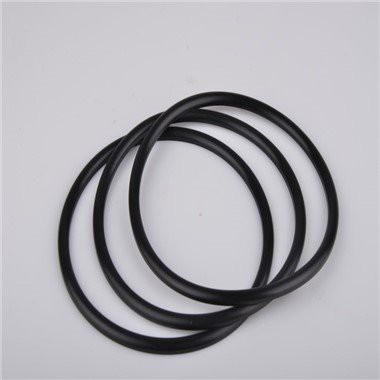

Hey there! As a rubber V - ring supplier, I often get asked about the permeation resistance of rubber V - rings. So, let's dive right into what this means and why it's super important.
First off, what are rubber V - rings? Well, they're these nifty little seals that are shaped like the letter "V". You can find them in all sorts of applications, from industrial machinery to automotive parts. They're used to prevent the leakage of fluids, like oil or water, and to keep out dirt, dust, and other contaminants.
Now, let's talk about permeation resistance. Permeation is basically the process where a gas or a liquid passes through a material. In the case of rubber V - rings, we're interested in how well they can stop this from happening. A rubber V - ring with high permeation resistance is like a tough security guard, keeping unwanted substances out and the good stuff in.
There are a few factors that can affect the permeation resistance of rubber V - rings. One of the biggest ones is the type of rubber used. Different rubbers have different chemical structures, and this can have a huge impact on how well they resist permeation. For example, nitrile rubber (NBR) is known for its good resistance to oil and fuel. It's a popular choice for applications where there's a lot of contact with these substances. On the other hand, fluorocarbon rubber (FKM) has excellent resistance to high - temperature and aggressive chemicals. If you're dealing with harsh environments, FKM might be the way to go.


The thickness of the rubber V - ring also plays a role. Generally speaking, a thicker V - ring will have better permeation resistance. This is because there's more material for the gas or liquid to pass through, which slows down the permeation process. However, you can't just go for the thickest V - ring possible. You also need to consider the design requirements of your application. If the V - ring is too thick, it might not fit properly or could cause other issues.
Temperature is another important factor. As the temperature goes up, the permeation rate usually increases. This is because the molecules in the rubber and the permeating substance start to move more quickly, making it easier for the substance to pass through the rubber. So, if your application involves high temperatures, you need to choose a rubber that can maintain its permeation resistance under those conditions.
Let's take a closer look at some real - world applications. In the automotive industry, rubber V - rings are used in engines to seal oil and prevent it from leaking out. The permeation resistance of these V - rings is crucial. If oil were to permeate through the V - ring, it could lead to a loss of lubrication, which can cause serious damage to the engine. That's why manufacturers often choose high - quality rubber materials with good permeation resistance.
In the food and beverage industry, rubber V - rings are used to seal containers and prevent the leakage of liquids. Here, the permeation resistance is important not only to keep the product inside but also to prevent the entry of contaminants. For example, if a V - ring doesn't have good permeation resistance, it could allow bacteria or other harmful substances to enter the container, which is a big no - no in this industry.
Now, if you're in the market for rubber V - rings, you might be wondering where to start. Well, we've got some great options for you. Check out our Shaft Seal V Ring. These V - rings are designed to provide excellent sealing performance and good permeation resistance. They're suitable for a wide range of applications, including shaft sealing in industrial machinery.
We also have V Ring Rubber Seals. These seals are made from high - quality rubber materials and are available in different sizes and specifications. Whether you need a small V - ring for a precision application or a large one for heavy - duty use, we've got you covered.
And for those of you who are looking for something a bit more unique, our V Shaped Rubber Rings are a great choice. They're designed to fit specific shapes and requirements, and they offer excellent permeation resistance.
When it comes to choosing the right rubber V - ring for your application, it's important to consider all the factors we've talked about. You need to think about the type of rubber, the thickness, the temperature, and the specific requirements of your application. If you're not sure which V - ring is the best fit for you, don't worry. Our team of experts is here to help. We can provide you with all the information you need and help you make the right decision.
In conclusion, the permeation resistance of rubber V - rings is a critical property that can have a big impact on the performance and reliability of your application. Whether you're in the automotive, food and beverage, or any other industry, choosing a V - ring with good permeation resistance is essential. So, if you're interested in our rubber V - rings, don't hesitate to reach out. We're ready to work with you and provide you with the best sealing solutions.
References
- Rubber Handbook: A Comprehensive Guide to Rubber Technology and Applications
- Industrial Sealing Technology: Principles and Practices