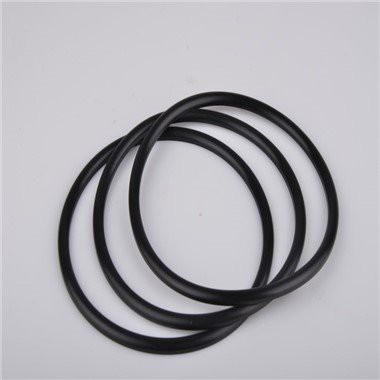

Removing a solid O - ring from a groove might seem like a simple task at first glance, but it can be quite tricky and requires the right techniques and tools. As a solid O - ring supplier, I've encountered numerous customers who face difficulties in this process. In this blog post, I'll share some effective methods to safely and efficiently remove a solid O - ring from a groove.
Understanding the Importance of Proper Removal
Before delving into the removal techniques, it's essential to understand why proper removal is crucial. A solid O - ring is a critical sealing component used in various industries, including automotive, aerospace, and manufacturing. Incorrect removal can damage the O - ring, the groove, or both. A damaged O - ring may not provide an effective seal, leading to leaks, which can cause equipment malfunction, safety hazards, and increased maintenance costs.
Tools Required for O - Ring Removal
To remove a solid O - ring from a groove, you'll need a few basic tools. These include:
- O - Ring Pick Set: These are specially designed tools with thin, pointed ends that can be used to gently pry the O - ring out of the groove. They come in various shapes and sizes to accommodate different O - ring and groove configurations.
- Flat - Blade Screwdriver: A small, flat - blade screwdriver can be used as an alternative to an O - ring pick. However, it should be used with caution as it can easily damage the O - ring or the groove if not handled properly.
- Tweezers: Tweezers can be useful for gripping and pulling the O - ring out, especially for smaller O - rings.
- Lubricant: A small amount of lubricant can make the removal process easier by reducing friction between the O - ring and the groove. Silicone - based lubricants are often a good choice as they are compatible with most rubber materials.
Step - by - Step Removal Process
Step 1: Prepare the Work Area
First, ensure that the work area is clean and free of debris. This helps prevent any contaminants from getting into the groove or onto the O - ring during the removal process. If possible, place a clean cloth or tray under the area where the O - ring is located to catch any small parts or debris that may fall out.
Step 2: Inspect the O - Ring and Groove
Before attempting to remove the O - ring, carefully inspect it and the groove for any signs of damage, wear, or debris. If the O - ring is severely damaged or shows signs of excessive wear, it may need to be replaced. Also, check the groove for any nicks, scratches, or corrosion that could affect the sealing performance of the new O - ring.
Step 3: Apply Lubricant (Optional)
If the O - ring is tightly fitted in the groove, applying a small amount of lubricant can make the removal process easier. Use a clean applicator, such as a cotton swab, to apply a thin layer of lubricant around the O - ring. Be careful not to get too much lubricant in the groove, as it can attract dirt and debris.
Step 4: Use the O - Ring Pick or Screwdriver
Insert the tip of the O - ring pick or flat - blade screwdriver into the groove at a point where the O - ring is accessible. Gently pry the O - ring out of the groove, working your way around the circumference of the O - ring. Take care not to apply too much force, as this can damage the O - ring or the groove. If using a screwdriver, make sure to use a small, flat - blade screwdriver and insert it at a shallow angle to avoid scratching the groove.
Step 5: Use Tweezers to Pull the O - Ring
Once you've loosened a section of the O - ring from the groove, use tweezers to grip the exposed part of the O - ring and pull it out. Continue pulling the O - ring out of the groove, working slowly and steadily around the entire circumference.
Step 6: Clean the Groove
After removing the O - ring, clean the groove thoroughly to remove any dirt, debris, or old lubricant. Use a clean cloth or a small brush to wipe the groove clean. If necessary, you can use a mild solvent to remove stubborn dirt or grease. Make sure to dry the groove completely before installing a new O - ring.
Special Considerations for Different O - Ring Materials
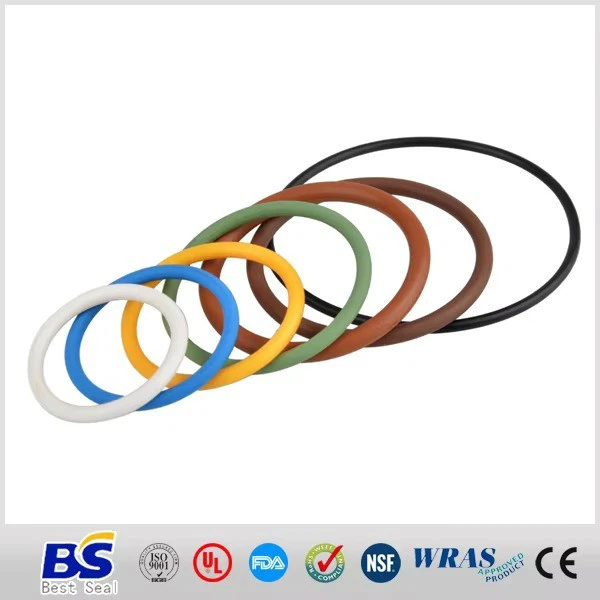
Different types of O - rings are made from various materials, each with its own unique properties. Here are some special considerations for removing O - rings made from common materials:
Nitrile Rubber O - Rings
Nitrile rubber O - rings are widely used due to their good resistance to oil, fuel, and other chemicals. They are relatively easy to remove using the methods described above. However, nitrile rubber can become brittle over time, especially in high - temperature environments. If the O - ring is brittle, take extra care when removing it to avoid breaking it.
Silicone Rubber O - Rings
Silicone rubber O - rings are known for their excellent high - and low - temperature resistance. They are also very flexible, which can make them a bit more challenging to remove. When removing a silicone O - ring, use a gentle touch to avoid stretching or tearing it. You can find custom - size silicone rubber O - rings at Custom Size Silicone Rubber O Ring.
FFKM O - Rings
FFKM (Perfluoroelastomer) O - rings are designed for extreme temperature and chemical resistance. They are often used in harsh environments where other rubber materials would fail. FFKM O - rings are very durable but can be expensive. When removing an FFKM O - ring, follow the standard removal procedures carefully to avoid damaging the O - ring. You can learn more about FFKM O - rings for extreme temperatures at FFKM O - Rings For Extreme Temperatures.
Kalrez O - Rings
Kalrez O - rings are a type of FFKM O - ring known for their exceptional chemical resistance and high - temperature performance. They are commonly used in the chemical processing, semiconductor, and aerospace industries. Due to their high - performance nature, Kalrez O - rings should be removed with great care to ensure their integrity. For more information on Kalrez O - rings, visit Kalrez O Ring.
Troubleshooting Common Problems
Sometimes, you may encounter problems during the O - ring removal process. Here are some common problems and their solutions:
O - Ring Stuck in the Groove
If the O - ring is stuck in the groove, try applying more lubricant and let it sit for a few minutes to allow the lubricant to penetrate. You can also try gently tapping the area around the groove with a small hammer to loosen the O - ring. If the O - ring is still stuck, you may need to use a more aggressive method, such as using a sharp tool to carefully cut a small section of the O - ring to release the tension.
Damaged O - Ring
If the O - ring is damaged during the removal process, it should be replaced immediately. Make sure to select a new O - ring that is the correct size and material for your application.
Damaged Groove
If the groove is damaged during the removal process, it may need to be repaired or replaced. Minor scratches or nicks can sometimes be smoothed out using a fine - grit sandpaper. However, if the damage is severe, the component containing the groove may need to be replaced.
Conclusion
Removing a solid O - ring from a groove requires patience, the right tools, and the proper techniques. By following the steps outlined in this blog post and considering the special requirements of different O - ring materials, you can safely and efficiently remove an O - ring without causing damage to the O - ring or the groove.
As a solid O - ring supplier, we offer a wide range of high - quality O - rings to meet your specific needs. Whether you need standard - size O - rings or custom - made ones, we have the expertise and resources to provide you with the right solution. If you have any questions about O - ring removal, installation, or selection, or if you're interested in purchasing O - rings, please feel free to contact us for further discussion and procurement negotiation.
References
- "Sealing Technology Handbook" by John H. Bickford
- "Rubber O - Rings: A Practical Guide" by Elastomer Products Company