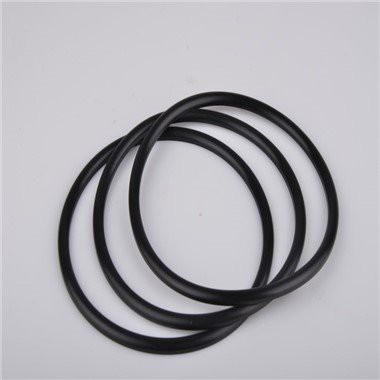

Trying to figure out how to choose the right Rubber X - ring for your application can feel a bit like navigating a maze. But don't worry, I'm here to break it down in a way that's easy to understand. As a supplier of Rubber X - rings, I've seen it all, and I'm gonna share some tips that'll make your selection process a whole lot smoother.
Understanding What a Rubber X - ring Is
First off, let's quickly go over what a Rubber X - ring is. It's a type of sealing ring with a unique cross - section that looks like an X. This design gives it some real advantages over traditional O - rings. For one thing, it has four sealing points instead of two, which means it can provide a better seal. And because of its shape, it's less likely to twist or roll, which can be a real pain with O - rings in some applications.
Consider the Application Environment
The first thing you gotta think about when choosing a Rubber X - ring is the environment in which it'll be used. Here are some key factors to keep in mind:
Temperature
Temperature is a big deal. You need to know the minimum and maximum temperatures the X - ring will be exposed to. Some rubber materials can harden in cold temperatures, losing their flexibility and sealing ability. On the other hand, high temperatures can cause rubber to break down or melt. For example, if you're using the X - ring in an engine, where temperatures can get pretty high, you'll want a rubber material that can handle the heat. Silicone rubber is a good choice for high - temperature applications, as it can withstand temperatures up to around 200°C.
Chemical Exposure
What chemicals will the X - ring come into contact with? Different rubber materials have different levels of resistance to chemicals. For instance, if your application involves exposure to oil, you'll need a rubber that's oil - resistant. Nitrile rubber is a popular choice for oil - based applications because it has good resistance to petroleum - based oils and fuels. But if you're dealing with more aggressive chemicals like acids or solvents, you might need something like fluorocarbon rubber, which has excellent chemical resistance but is also more expensive.
Pressure
The pressure in the application is another important factor. High - pressure applications require X - rings that can withstand the force without deforming. The thickness and hardness of the rubber play a role here. A harder rubber can generally handle higher pressures better than a softer one. But you also need to make sure the X - ring is properly sized for the pressure it'll face. If it's too small or too large, it might not seal effectively under pressure.
Size Matters
Getting the right size of Rubber X - ring is crucial. You need to measure both the inner diameter and the cross - sectional diameter accurately. A size that's even slightly off can lead to a poor seal, which can cause leaks and other problems. Most suppliers, including us, have size charts that can help you find the right fit. But if you're not sure, it's always a good idea to double - check with a professional or send us your measurements, and we can help you select the correct size.
Material Selection
As I mentioned earlier, different rubber materials have different properties. Here are some of the most common types of rubber used for X - rings and their typical applications:
Nitrile Rubber
Nitrile rubber is one of the most widely used materials for X - rings. It's known for its good oil resistance, which makes it a popular choice in automotive and industrial applications where oil is present. It also has good mechanical properties, such as abrasion resistance, and is relatively inexpensive.
Silicone Rubber
Silicone rubber is great for applications where temperature resistance is important. It can handle a wide range of temperatures, from very cold to very hot. It's also very flexible and has good electrical insulation properties, which makes it suitable for use in electronics.
Fluorocarbon Rubber
If you need a rubber with excellent chemical resistance, fluorocarbon rubber is the way to go. It can resist a wide variety of chemicals, including acids, bases, and solvents. However, it's more expensive than other types of rubber, so it's usually reserved for applications where its special properties are absolutely necessary.
Ethylene Propylene Diene Monomer (EPDM)
EPDM rubber is resistant to water, steam, and weathering. It's often used in outdoor applications or in systems where water is present, such as in plumbing or in the automotive cooling system.
Comparing with Other Sealing Options
It's also a good idea to compare Rubber X - rings with other sealing options, like O - rings. While O - rings are very common and have been around for a long time, X - rings have some distinct advantages. As I mentioned before, they have better sealing performance because of their four sealing points, and they're less likely to twist. However, O - rings might be a better choice in some situations where cost is a major factor or where the application doesn't require the extra sealing performance of an X - ring. You can learn more about O - ring X - ring Rubber to see the differences in more detail.
Another option you might come across is the Rubber Quad Ring. Quad rings are similar to X - rings in that they have four sealing points, but their design is slightly different. They're often used in applications where low friction is important, as they tend to have less contact area with the mating surfaces compared to some other sealing rings.
Quality and Testing
When choosing a Rubber X - ring, you want to make sure you're getting a high - quality product. A reliable supplier should test their X - rings to ensure they meet the necessary standards. This can include testing for hardness, tensile strength, and chemical resistance. At our company, we put our X - rings through a series of rigorous tests to make sure they perform well in real - world applications. We also offer X Ring Rubber Bullets for some specialized applications, and these are also thoroughly tested.
Cost Considerations
Cost is always a factor when making a purchasing decision. While it might be tempting to go for the cheapest option, it's important to remember that quality often comes at a price. A low - cost X - ring might not perform as well or last as long as a more expensive, high - quality one. You need to consider the long - term costs, including potential downtime and maintenance if a cheap X - ring fails. On the other hand, you don't want to over - spend on a material or a level of quality that you don't actually need. It's all about finding the right balance.
Making the Final Decision
Once you've considered all these factors - the application environment, size, material, cost, and quality - you should be in a good position to choose the right Rubber X - ring for your application. If you're still not sure, don't hesitate to reach out to us. We're here to help you make the best decision for your specific needs.
As a Rubber X - ring supplier, we have a wide range of products to choose from. Whether you need a small - scale order for a prototype or a large - volume order for mass production, we can accommodate you. We pride ourselves on providing high - quality products, excellent customer service, and competitive prices.


If you're interested in learning more or making a purchase, feel free to contact us to start a procurement discussion. We'll work with you to understand your requirements and find the perfect Rubber X - ring solution for your application.
References
- "Sealing Technology Handbook"
- "Rubber Materials and Their Applications"
- Industry - specific technical manuals related to sealing applications