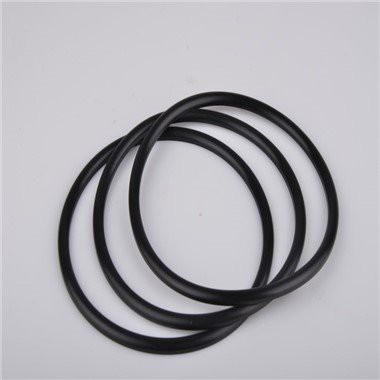

Hey there! As a supplier of Rubber X - rings, I often get asked one question: “How long does a Rubber X - ring last?” Well, there's no one - size - fits - all answer to this, as it depends on a bunch of factors. Let's dive into this topic and explore what can affect the lifespan of these nifty little rubber parts.
What is a Rubber X - ring Anyway?
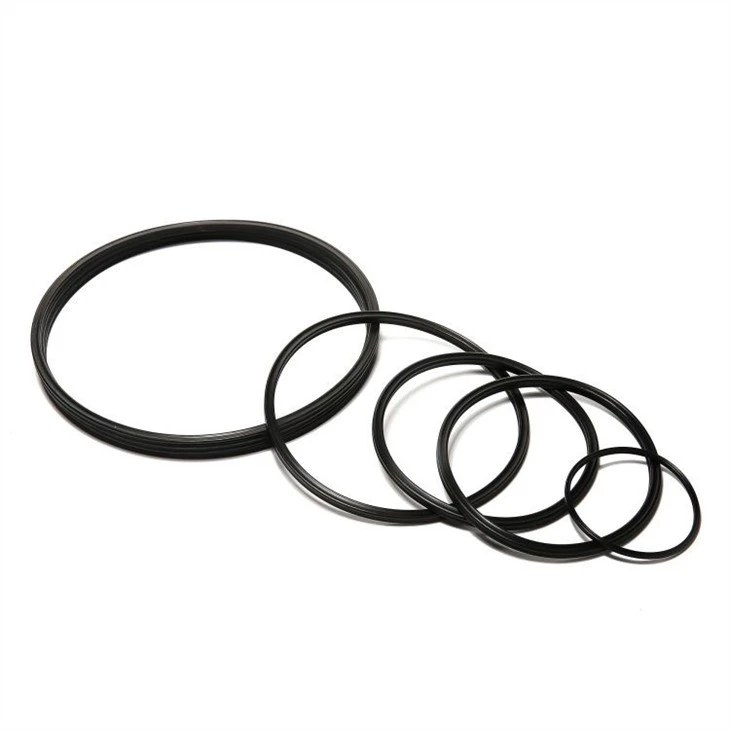
Before we talk about how long they last, let's quickly go over what a Rubber X - ring is. It's a type of sealing ring that has an X - shaped cross - section. Compared to the more common O - rings, X - rings have some advantages. They offer better sealing performance because they have four sealing lips instead of two like O - rings. You can check out more about different types of rubber rings on these pages: X Ring Rubber Bullets, Rubber Quad Ring, and O - ring X - ring Rubber.
Factors Affecting the Lifespan of Rubber X - rings
1. Material Quality
The quality of the rubber material used to make the X - ring is a huge factor. High - quality rubber compounds are formulated to resist wear, tear, and chemical attacks. For example, if you use a high - grade nitrile rubber for your X - ring, it can withstand a wide range of temperatures and is resistant to oil and fuel. On the other hand, a low - quality rubber might start to degrade quickly, losing its elasticity and sealing properties. We always make sure to use top - notch rubber materials in our products to ensure a longer lifespan.
2. Operating Temperature
Temperature plays a crucial role in how long a Rubber X - ring lasts. Extreme temperatures, whether too hot or too cold, can have a negative impact on the rubber. At high temperatures, the rubber can start to harden and crack, reducing its sealing ability. In cold temperatures, the rubber can become brittle and lose its flexibility. Different rubber materials have different temperature ranges they can handle. For instance, silicone rubber X - rings can tolerate a wider range of temperatures compared to some other types.
3. Chemical Exposure
If the X - ring is exposed to chemicals, it can significantly affect its lifespan. Some chemicals can react with the rubber, causing it to swell, shrink, or break down. For example, if an X - ring is used in a chemical processing plant where it comes into contact with strong acids or alkalis, it needs to be made from a rubber material that is resistant to those specific chemicals. We can help you choose the right rubber material based on the chemical environment your X - ring will be in.

4. Pressure
The amount of pressure the X - ring has to withstand also matters. High - pressure applications can put a lot of stress on the X - ring, causing it to deform or even fail. If the pressure is too high for the X - ring's design, it might not be able to maintain a proper seal. That's why it's important to select an X - ring with the right pressure rating for your application.
5. Installation and Maintenance
How the X - ring is installed and maintained can make a big difference in its lifespan. Improper installation, like over - stretching or cutting the X - ring during installation, can damage it right from the start. Regular maintenance, such as checking for signs of wear and tear and replacing the X - ring when necessary, can also extend its life.
Typical Lifespan Estimates
It's really hard to give an exact number for how long a Rubber X - ring will last. In some mild applications, like in a household appliance where the temperature is stable, there's no chemical exposure, and the pressure is low, an X - ring could last for several years. However, in more demanding industrial applications, such as in a hydraulic system where there's high pressure, temperature variations, and possible chemical exposure, the lifespan might be much shorter, maybe a few months to a couple of years.
How to Extend the Lifespan of Rubber X - rings
Here are some tips to make your Rubber X - rings last longer:
- Choose the Right Material: As mentioned earlier, selecting the right rubber material for your specific application is crucial. Consider factors like temperature, chemical exposure, and pressure when making your choice.
- Proper Installation: Make sure to follow the correct installation procedures. Use the right tools and techniques to avoid damaging the X - ring during installation.
- Regular Inspections: Check the X - rings regularly for any signs of wear, such as cracks, swelling, or loss of elasticity. Replace them as soon as you notice any problems.
- Keep the Environment Clean: Minimize the exposure of the X - rings to dirt, dust, and other contaminants. This can help prevent premature wear and tear.
Why Choose Us as Your Rubber X - ring Supplier
We've been in the business of supplying Rubber X - rings for a long time. We have a team of experts who can help you choose the right X - ring for your application. We use only the highest - quality rubber materials, and our manufacturing processes are top - notch. We also offer competitive prices and excellent customer service.
If you're in the market for Rubber X - rings, whether you need a small quantity for a DIY project or a large order for an industrial application, we'd love to hear from you. We can provide you with samples, technical support, and all the information you need to make an informed decision. Don't hesitate to reach out to us for a quote or to discuss your specific requirements.
Conclusion
In conclusion, the lifespan of a Rubber X - ring can vary greatly depending on several factors. By understanding these factors and taking the right steps to choose, install, and maintain your X - rings, you can ensure that they last as long as possible. If you have any questions or need more information, feel free to get in touch with us. We're here to help you find the best Rubber X - ring solutions for your needs.
References
- “Sealing Technology Handbook” - A comprehensive guide on sealing products including X - rings.
- Industry reports on rubber material properties and their performance in different applications.