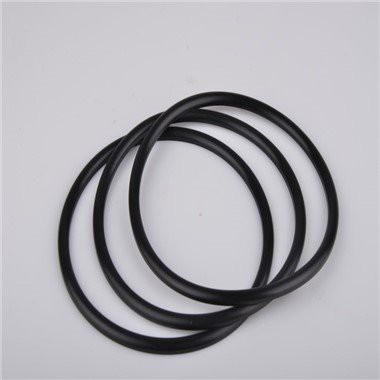

Hey there! As a supplier of rubber gaskets, I often get asked about how to adjust the sealing pressure of a rubber gasket. It's a crucial aspect that can significantly impact the performance and longevity of your equipment. So, let's dive right in and explore this topic in detail.
Understanding the Basics of Sealing Pressure
First things first, what exactly is sealing pressure? Well, it's the force applied to a rubber gasket to create a tight seal between two surfaces. This pressure is essential to prevent leaks of liquids or gases, ensuring that your machinery operates smoothly and efficiently.
The right sealing pressure depends on several factors. The type of rubber used in the gasket is a major one. Different rubbers have different properties, such as hardness, elasticity, and chemical resistance. For instance, a softer rubber gasket may require less pressure to seal effectively compared to a harder one.
The surface finish of the mating parts also plays a key role. Rough surfaces may need higher sealing pressure to fill in the gaps, while smooth surfaces can achieve a good seal with lower pressure.
Tools Needed for Adjusting Sealing Pressure
Before you start adjusting the sealing pressure, you'll need a few tools. A torque wrench is a must-have. It allows you to apply the exact amount of force required to tighten the bolts or fasteners holding the gasket in place. This is important because over - tightening can damage the gasket, while under - tightening can lead to leaks.
You'll also need a feeler gauge. This tool helps you measure the gap between the mating surfaces. By measuring the gap, you can determine if the sealing pressure is appropriate. If the gap is too large, you may need to increase the pressure; if it's too small, you might be over - tightening.
Step - by - Step Guide to Adjusting Sealing Pressure
-
Inspect the Gasket and Mating Surfaces
Before installation, carefully examine the rubber gasket for any signs of damage, such as cuts, tears, or deformities. Also, check the mating surfaces for dirt, debris, or corrosion. Clean both the gasket and the surfaces thoroughly to ensure a proper seal. -
Install the Gasket
Place the rubber gasket between the two mating surfaces. Make sure it is centered and properly aligned. Misalignment can cause uneven pressure distribution, leading to leaks. -
Tighten the Fasteners
Start by hand - tightening the bolts or fasteners evenly. This helps to seat the gasket properly. Then, use the torque wrench to tighten the fasteners to the recommended torque value. It's important to follow a specific tightening pattern, usually a cross - pattern or a star - pattern. This ensures that the pressure is distributed evenly across the gasket. -
Check the Sealing Pressure
After tightening the fasteners, use the feeler gauge to measure the gap between the mating surfaces. Compare the measurement with the recommended specifications. If the gap is within the acceptable range, the sealing pressure is likely correct. If not, you may need to make adjustments. -
Make Adjustments
If the gap is too large, you can increase the torque on the fasteners slightly. But be careful not to over - tighten. If the gap is too small, you may need to loosen the fasteners a bit and re - check the alignment of the gasket.
Common Mistakes to Avoid
One of the most common mistakes is over - tightening the fasteners. This can cause the rubber gasket to deform or even break, leading to leaks. Another mistake is not following the proper tightening pattern. This can result in uneven pressure distribution, which also affects the sealing performance.
Importance of Proper Sealing Pressure
Proper sealing pressure is crucial for several reasons. Firstly, it prevents leaks, which can save you from costly repairs and downtime. Leaks can also be a safety hazard, especially if they involve hazardous chemicals or gases.
Secondly, it extends the lifespan of the rubber gasket. When the gasket is subjected to the right amount of pressure, it can maintain its shape and properties for a longer time.
Customizing Rubber Gaskets for Specific Sealing Pressure Requirements
At our company, we understand that different applications may require different sealing pressures. That's why we offer Rubber Seal Gasket Customise. We can customize the rubber gasket in terms of size, shape, and material to meet your specific sealing pressure needs.


For example, if you need a gasket for an air cylinder, we have Rubber Gasket Air Cylinder options that are designed to handle the unique pressure and temperature conditions of air cylinders.
And if you're looking for a flat gasket, our Professional Rubber Flat Gasket is a great choice. It provides excellent sealing performance and can be customized to your exact specifications.
Conclusion
Adjusting the sealing pressure of a rubber gasket is not as complicated as it may seem. By understanding the basics, using the right tools, and following the proper steps, you can ensure a proper seal every time.
If you're in the market for high - quality rubber gaskets or need help with customizing gaskets for your specific sealing pressure requirements, don't hesitate to get in touch with us. We're here to assist you with all your rubber gasket needs.
References
- "Handbook of Rubber Gaskets and Seals" by John W. Sweeney
- "Sealing Technology for Rotating Equipment" by Klaus - Peter Jansson