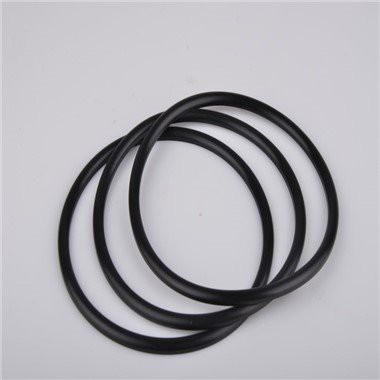

Hey there! As a supplier of rubber plugs, I often get asked how these little guys perform in high - pressure applications. Well, let's dive right in and find out!
First off, let's understand what high - pressure applications are. These are situations where there's a significant amount of force exerted on a system. Think about hydraulic systems in heavy machinery, pipelines that carry high - pressure fluids, or even some types of industrial valves. In these scenarios, the rubber plugs we supply need to hold up under a lot of stress.
One of the key factors that determine how well rubber plugs work in high - pressure situations is the material they're made from. We use high - quality rubber compounds that are specifically formulated to handle pressure. Different types of rubber have different properties. For example, nitrile rubber is known for its good resistance to oil and fuel, and it can also withstand a fair amount of pressure. Silicone rubber, on the other hand, has excellent temperature resistance and can maintain its flexibility even under high - pressure conditions.
When it comes to the design of the rubber plugs, it plays a crucial role in high - pressure performance. Our engineers have spent a lot of time perfecting the shapes and sizes of our plugs. For instance, a well - designed plug will have a proper seal. A tight seal is essential because it prevents any leakage of the high - pressure fluid or gas. If the seal is not good, the whole system can fail, and that can lead to some serious problems.
Let's talk about the different types of rubber plugs we offer and how they perform in high - pressure applications.
White Rubber Hole Plugs
The White Rubber Hole Plugs are a popular choice for many of our customers. These plugs are made from a high - grade white rubber that not only looks clean and professional but also has great performance characteristics. In high - pressure applications, the white rubber provides a reliable seal. The material is flexible enough to conform to the shape of the hole, ensuring a tight fit. This flexibility also helps it absorb some of the shock and vibration that can occur in high - pressure systems.


Metric Sizes Rubber Plug
Our Metric Sizes Rubber Plug range is designed to meet the needs of various international standards. These plugs come in a wide variety of metric sizes, which means you can find the perfect fit for your application. In high - pressure situations, the precise sizing is crucial. A plug that's too small won't create a proper seal, and one that's too large can be difficult to insert and may even damage the system. Our metric - sized plugs are engineered to provide a snug fit, which is essential for maintaining pressure and preventing leaks.
T - shape Straight Rubber Plug Stopper
The T - shape Straight Rubber Plug Stopper is a unique design that offers some distinct advantages in high - pressure applications. The T - shape provides additional stability. It helps to anchor the plug in place, ensuring that it doesn't get dislodged even when there's a lot of pressure pushing on it. The straight part of the plug is designed to fit tightly into the hole, while the T - section acts as a barrier to prevent the plug from being forced out.
Now, let's talk about some of the challenges that rubber plugs face in high - pressure applications. One of the main issues is fatigue. When a rubber plug is constantly exposed to high pressure, it can start to wear out over time. The material may develop cracks or lose its elasticity. To combat this, we use advanced rubber compounds that are more resistant to fatigue. We also conduct extensive testing on our plugs to ensure that they can withstand the long - term effects of high pressure.
Another challenge is the compatibility of the rubber with the fluid or gas in the system. Some chemicals can react with the rubber, causing it to degrade or swell. This can lead to a loss of the seal and a decrease in performance. That's why we work closely with our customers to understand the specific requirements of their applications. We can then recommend the most suitable rubber material that will be compatible with the substances in their systems.
In addition to the material and design, the installation of the rubber plugs is also important. If the plug is not installed correctly, it may not perform as expected. We provide detailed installation instructions with our products to ensure that our customers can install the plugs properly. A proper installation will ensure that the plug creates a good seal and can withstand the high pressure.
So, to sum it up, rubber plugs can perform very well in high - pressure applications if they're made from the right material, have a good design, and are installed correctly. Our range of White Rubber Hole Plugs, Metric Sizes Rubber Plug, and T - shape Straight Rubber Plug Stopper are all designed and tested to meet the demands of high - pressure systems.
If you're in the market for rubber plugs for high - pressure applications, we'd love to hear from you. Whether you're working on a small - scale project or a large industrial application, we have the expertise and the products to meet your needs. Contact us to start a discussion about your requirements and let's find the perfect rubber plug solution for you.
References
- "Handbook of Elastomers" by I. I. Rubin
- "Rubber Technology: Compounding, Testing, and Applications" by Michael Morton