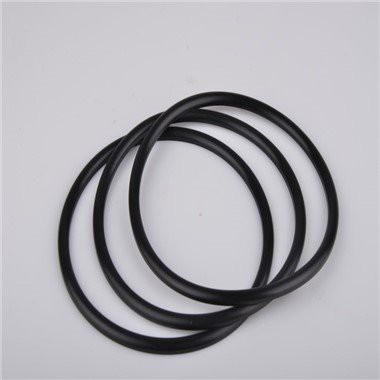

Can Rubber X - rings be used in hydraulic systems?
In the world of fluid power systems, hydraulic systems stand out as a crucial technology, powering a wide range of industrial and mobile equipment. The effectiveness of these systems largely depends on the quality and suitability of their sealing components. As a leading supplier of Rubber X - rings, I often encounter the question: Can Rubber X - rings be used in hydraulic systems? In this blog post, I will delve into this topic, exploring the properties of Rubber X - rings, their advantages and limitations in hydraulic applications, and comparing them with other common sealing options.
Understanding Rubber X - rings
Rubber X - rings, also known as quad rings, are a type of sealing ring with a cross - sectional shape resembling the letter "X". This unique design sets them apart from traditional O - rings. The X - shaped cross - section provides multiple sealing lips, which can enhance the sealing performance. Rubber Quad Ring is a common term used to describe these seals, highlighting their four - point contact with the mating surfaces.
The materials used to manufacture Rubber X - rings are diverse, including nitrile rubber (NBR), fluorocarbon rubber (FKM), silicone rubber (VMQ), and ethylene propylene diene monomer (EPDM). Each material has its own set of properties, such as temperature resistance, chemical compatibility, and hardness, which make them suitable for different operating conditions.
Advantages of Using Rubber X - rings in Hydraulic Systems
Superior Sealing Performance
One of the primary advantages of Rubber X - rings in hydraulic systems is their excellent sealing ability. The four - lip design of the X - ring provides more contact points with the sealing surfaces compared to O - rings. This results in a more effective seal, reducing the risk of fluid leakage. In hydraulic systems, where high pressures and precise control of fluid flow are essential, a reliable seal is crucial to prevent energy loss and ensure the proper functioning of the equipment.
Reduced Friction
Rubber X - rings generally have lower friction coefficients than O - rings. The four - lip design allows for a more even distribution of the contact pressure, which reduces the frictional forces between the seal and the mating surfaces. This is particularly beneficial in hydraulic cylinders, where lower friction can lead to smoother operation, less wear on the sealing components, and improved energy efficiency.
Resistance to Twisting
Unlike O - rings, which are prone to twisting during installation or operation, Rubber X - rings are more resistant to this problem. The X - shaped cross - section provides better stability, ensuring that the seal remains in place and maintains its sealing performance. This is especially important in dynamic applications, where the seal is subjected to reciprocating or rotating motion.


Chemical Compatibility
As mentioned earlier, Rubber X - rings can be made from a variety of materials, each with different chemical resistance properties. This allows for a wide range of applications in hydraulic systems that handle different types of fluids, such as hydraulic oils, water - glycol mixtures, and synthetic fluids. For example, FKM - based Rubber X - rings are highly resistant to high - temperature hydraulic fluids and aggressive chemicals, making them suitable for demanding industrial applications.
Limitations and Considerations
Cost
Compared to O - rings, Rubber X - rings can be more expensive. The manufacturing process for X - rings is more complex due to their unique cross - sectional shape, which may result in higher production costs. However, it is important to consider the long - term benefits of using X - rings, such as reduced maintenance and improved equipment performance, which can offset the initial higher cost.
Installation Requirements
Proper installation is crucial for the performance of Rubber X - rings. The four - lip design requires careful handling during installation to ensure that the seal is not damaged and is correctly seated in the groove. Special installation tools may be required in some cases, which can add to the installation complexity.
Temperature and Pressure Limits
Although Rubber X - rings can withstand a wide range of temperatures and pressures, each material has its own limitations. For example, NBR - based X - rings have a relatively lower temperature resistance compared to FKM - based ones. It is essential to select the appropriate material based on the specific operating conditions of the hydraulic system to ensure optimal performance and longevity of the seal.
Comparison with Other Sealing Options
O - rings
O - rings are the most commonly used sealing components in hydraulic systems. They are simple in design, easy to install, and relatively inexpensive. However, as mentioned earlier, they have some drawbacks compared to Rubber X - rings, such as lower sealing performance, higher friction, and a greater tendency to twist. In applications where high - pressure sealing and low friction are required, Rubber X - rings may be a better choice.
X Ring Rubber Bullets
X Ring Rubber Bullets are a specialized type of X - ring that are designed for specific applications. They are often used in high - pressure and high - speed applications, such as in some aerospace and military hydraulic systems. While they offer excellent performance in these demanding environments, they may not be suitable for all hydraulic applications due to their specific design and higher cost.
O - ring X - ring Rubber
This term may refer to a combination or comparison of O - rings and X - rings made of rubber materials. It highlights the fact that both types of seals are available in a variety of rubber compounds. When choosing between the two, it is important to consider the specific requirements of the hydraulic system, such as sealing performance, friction, and cost.
Conclusion
In conclusion, Rubber X - rings can be effectively used in hydraulic systems, offering several advantages over traditional O - rings. Their superior sealing performance, reduced friction, resistance to twisting, and chemical compatibility make them a viable option for a wide range of hydraulic applications. However, it is important to consider the limitations, such as cost, installation requirements, and temperature and pressure limits, when selecting the appropriate sealing solution.
As a supplier of Rubber X - rings, we are committed to providing high - quality products that meet the specific needs of our customers. If you are considering using Rubber X - rings in your hydraulic systems or have any questions about our products, we encourage you to contact us for a detailed discussion and to explore the best sealing solutions for your application.
References
- "Sealing Technology Handbook" by John S. Campbell
- "Hydraulic Systems and Components" by Peter Dyke
- Technical literature from rubber seal manufacturers