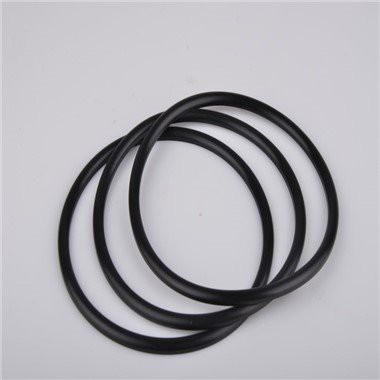

Rubber V-rings, also known as V-shaped rubber rings, are a type of sealing component that has gained significant attention in various industrial applications. As a leading supplier of V Shaped Rubber Rings, I often receive inquiries about whether these rings can be used in automotive applications. In this blog post, I will delve into the characteristics of rubber V-rings and explore their potential use in the automotive industry.
Understanding Rubber V-Rings
Rubber V-rings are designed with a distinctive V-shaped cross-section. This unique shape allows them to provide a reliable seal in a variety of environments. They are typically made from high-quality rubber materials such as nitrile rubber (NBR), fluorocarbon rubber (FKM), and silicone rubber (VMQ), each offering different properties to suit specific application requirements.
The V-ring's design enables it to self-adjust to shaft movements and misalignments. When installed on a shaft, the V-ring exerts a radial force that creates a tight seal against the housing or mating surface. This self-adjusting feature ensures a continuous and effective seal, even under dynamic conditions.
Advantages of Rubber V-Rings for Automotive Applications
1. Excellent Sealing Performance
In automotive applications, preventing the leakage of fluids such as oil, fuel, and coolant is crucial. Rubber V-rings offer excellent sealing capabilities, effectively blocking the passage of these fluids. Their V-shaped design allows them to conform to the shaft surface, creating a tight seal that can withstand high pressures and prevent contamination from entering the system.
2. Resistance to Automotive Fluids
Automotive fluids, including engine oil, transmission fluid, and brake fluid, can be corrosive and abrasive. Rubber V-rings made from suitable rubber compounds, such as NBR and FKM, exhibit high resistance to these fluids. They can maintain their integrity and sealing performance over an extended period, even when exposed to harsh chemical environments.
3. Adaptability to Shaft Movements
Automotive components often experience vibrations, misalignments, and axial movements during operation. Rubber V-rings can adapt to these movements due to their self-adjusting nature. They can compensate for small variations in shaft diameter and maintain a reliable seal, reducing the risk of leakage and ensuring the proper functioning of the automotive system.
4. Cost-Effective Solution
Compared to other types of seals, rubber V-rings are relatively inexpensive. They are easy to install and require minimal maintenance, making them a cost-effective sealing solution for automotive applications. Additionally, their long service life reduces the need for frequent replacements, further lowering the overall cost of ownership.
Specific Automotive Applications
1. Engine Sealing
In an automotive engine, rubber V-rings can be used to seal the crankshaft, camshaft, and other rotating components. They prevent oil leakage from the engine block and ensure the proper lubrication of moving parts. The V-rings can also protect the engine from dust, dirt, and water ingress, which can cause premature wear and damage to the components.
2. Transmission Sealing
Transmissions require effective sealing to prevent the leakage of transmission fluid and ensure smooth gear shifting. Rubber V-rings can be installed on the input and output shafts of the transmission to provide a reliable seal. Their ability to adapt to shaft movements and high rotational speeds makes them suitable for this application.
3. Wheel Hub Sealing
Wheel hubs need to be sealed to prevent the ingress of water, dirt, and debris, which can damage the bearings and affect the performance of the vehicle. Rubber V-rings can be used to seal the wheel hub assembly, providing a barrier against contaminants and maintaining the proper lubrication of the bearings.
4. Power Steering Sealing
Power steering systems rely on hydraulic fluid to assist with steering. Rubber V-rings can be used to seal the power steering pump, steering gear, and other components to prevent fluid leakage and ensure the proper operation of the system.
Considerations for Using Rubber V-Rings in Automotive Applications
1. Material Selection
The choice of rubber material is critical for the performance of rubber V-rings in automotive applications. Different rubber compounds have different properties, such as chemical resistance, temperature resistance, and mechanical strength. It is essential to select a rubber material that can withstand the specific operating conditions of the automotive system, including the type of fluid, temperature range, and pressure.
2. Installation
Proper installation is crucial for the effectiveness of rubber V-rings. The shaft and housing surfaces must be clean, smooth, and free of any damage or debris. The V-ring should be installed with the correct orientation and compression to ensure a proper seal. In some cases, special installation tools may be required to ensure the correct fit and alignment of the V-ring.
3. Compatibility with Other Components
Rubber V-rings need to be compatible with other components in the automotive system, such as the shaft, housing, and lubricants. Incompatible materials can cause chemical reactions, which can lead to seal failure and damage to the components. It is important to consult with the manufacturer or supplier to ensure the compatibility of the V-rings with other components.
4. Maintenance
Although rubber V-rings are relatively low-maintenance, regular inspection and replacement are still necessary to ensure their continued performance. Over time, the rubber material may degrade due to exposure to heat, chemicals, and mechanical stress. Inspecting the V-rings for signs of wear, cracks, or leakage and replacing them as needed can help prevent system failures and ensure the safety and reliability of the vehicle.


Conclusion
In conclusion, rubber V-rings have significant potential for use in automotive applications. Their excellent sealing performance, resistance to automotive fluids, adaptability to shaft movements, and cost-effectiveness make them a suitable choice for various automotive sealing requirements. However, careful consideration must be given to material selection, installation, compatibility with other components, and maintenance to ensure the optimal performance of the V-rings in automotive systems.
As a trusted supplier of V Ring Rubber Seals and Shaft Seal V Ring, we have extensive experience in providing high-quality rubber V-rings for automotive applications. Our team of experts can help you select the right rubber material and design for your specific automotive sealing needs. If you are interested in learning more about our products or discussing your requirements, please feel free to contact us for a procurement consultation. We look forward to working with you to provide the best sealing solutions for your automotive applications.
References
- Automotive Sealing Technology Handbook, various authors.
- Rubber Material properties and applications, Rubber Manufacturer's Association.
- Engineering Guidelines for Sealing Components in Automotive Systems, Automotive Engineering Society publications.