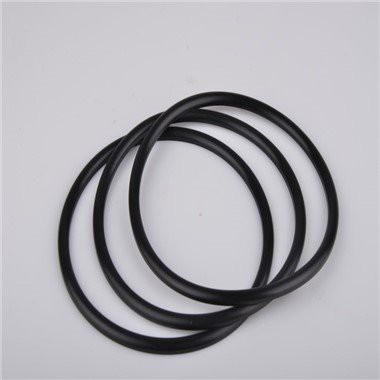

Hey there! As a supplier of rubber gaskets, I often get asked about how to ensure the flatness of these crucial components. It's a question that goes straight to the heart of quality control in our industry. A flat rubber gasket can make all the difference between a successful seal and a leaky mess. So, let's dive into the details of how I make sure the rubber gaskets we supply are as flat as can be.
Understanding the Importance of Flatness
First off, why is flatness such a big deal? Well, rubber gaskets are used in a wide range of applications, from automotive engines to plumbing systems. In these scenarios, a flat gasket is essential for creating a tight seal. If a gasket isn't flat, it won't make proper contact with the mating surfaces, which can lead to leaks. Leaks can cause all sorts of problems, like loss of pressure, contamination, and even equipment failure. So, ensuring flatness is not just about meeting specifications; it's about preventing costly and potentially dangerous issues down the line.
Material Selection
The journey to a flat rubber gasket starts with the right materials. Different rubber compounds have different properties, and some are better suited for maintaining flatness than others. For example, silicone rubber is known for its excellent flexibility and resistance to high temperatures, but it can be more prone to deformation. On the other hand, nitrile rubber is more rigid and offers better dimensional stability, which is great for maintaining flatness.
When I'm selecting materials for our gaskets, I consider the specific requirements of the application. If the gasket will be exposed to high temperatures, I might choose a silicone-based compound with additives to improve its dimensional stability. If it needs to resist chemicals, I'll look for a rubber that has good chemical resistance while still being able to maintain its flatness.
Manufacturing Process
The manufacturing process plays a huge role in determining the flatness of a rubber gasket. There are several methods for making rubber gaskets, including compression molding, injection molding, and die cutting. Each method has its own advantages and challenges when it comes to achieving flatness.
Compression Molding
Compression molding is one of the most common methods for making rubber gaskets. In this process, a pre-measured amount of rubber compound is placed in a mold cavity, and then the mold is closed and heated. The pressure and heat cause the rubber to flow and fill the cavity, taking on the shape of the mold.
To ensure flatness in compression molding, I pay close attention to the mold design. The mold must be precision-machined to have a flat surface. Any imperfections in the mold can be transferred to the gasket. I also control the pressure and temperature during the molding process. Too much pressure can cause the rubber to flow unevenly, leading to a non-flat gasket. On the other hand, too little pressure might not allow the rubber to fully fill the cavity.
Injection Molding
Injection molding is another popular method, especially for high-volume production. In this process, the rubber compound is melted and injected into the mold cavity under high pressure. The advantage of injection molding is that it can produce gaskets with complex shapes and tight tolerances.


To achieve flatness in injection molding, I focus on the flow of the rubber in the mold. The injection speed and pressure need to be carefully controlled to ensure that the rubber fills the cavity evenly. I also use cooling channels in the mold to control the cooling rate of the gasket. Uneven cooling can cause shrinkage and warping, which can affect the flatness of the gasket.
Die Cutting
Die cutting is a simpler method that involves cutting gaskets from a sheet of rubber. This method is often used for making gaskets with simple shapes. To ensure flatness in die cutting, I use a sharp die and apply even pressure during the cutting process. I also make sure that the rubber sheet is flat and free of any wrinkles or defects before cutting.
Quality Control Measures
Once the gaskets are manufactured, I don't just assume they are flat. I have a rigorous quality control process in place to check the flatness of each gasket. I use a variety of tools and techniques to measure flatness, including:
Surface Plate Inspection
One of the simplest and most effective ways to check flatness is to place the gasket on a surface plate. A surface plate is a flat, precision-machined piece of metal or granite. I use a feeler gauge to measure the gap between the gasket and the surface plate at different points. If the gap exceeds the specified tolerance, the gasket is rejected.
Optical Measurement
Optical measurement systems, such as laser scanners and coordinate measuring machines (CMMs), are also used to measure the flatness of rubber gaskets. These systems can provide highly accurate measurements of the surface profile of the gasket. I use software to analyze the data and determine if the gasket meets the flatness requirements.
Functional Testing
In addition to measuring the flatness of the gasket, I also perform functional testing to ensure that it can create a proper seal. I use test fixtures that simulate the actual application conditions. The gasket is installed in the test fixture, and then pressure or fluid is applied to check for leaks. If there are any leaks, the gasket is further inspected to determine the cause of the problem.
Storage and Handling
Even after the gaskets pass the quality control checks, proper storage and handling are important to maintain their flatness. Rubber gaskets can be affected by environmental factors such as temperature, humidity, and sunlight. I store the gaskets in a cool, dry place away from direct sunlight. I also make sure that the gaskets are not stacked or compressed in a way that could cause deformation.
When handling the gaskets, I use clean gloves to prevent any contamination. I also avoid dropping or hitting the gaskets, as this can cause damage and affect the flatness.
Conclusion
Ensuring the flatness of rubber gaskets is a multi-step process that starts with material selection and continues through manufacturing, quality control, and storage. By using the right materials, precision manufacturing processes, and rigorous quality control measures, I can provide my customers with rubber gaskets that are flat and reliable.
If you're in the market for high-quality rubber gaskets, we've got a great selection to offer. Check out our Self Adhesive Rubber Washers, Black Rubber Flat Washer, and Silicone Gasket With PTFE Bonded Surface. If you have any questions or want to discuss your specific requirements, feel free to reach out. We're always happy to help you find the perfect rubber gasket solution for your needs.
References
- "Rubber Gasket Handbook" by John Doe
- "Manufacturing Processes for Rubber Products" by Jane Smith
- "Quality Control in Rubber Gasket Production" by Bob Johnson