


Hey there! As a supplier of Rubber D Ring Seal, I often get asked if these seals can be used in pharmaceutical applications. It's a great question, and one that I'm more than happy to dive into.
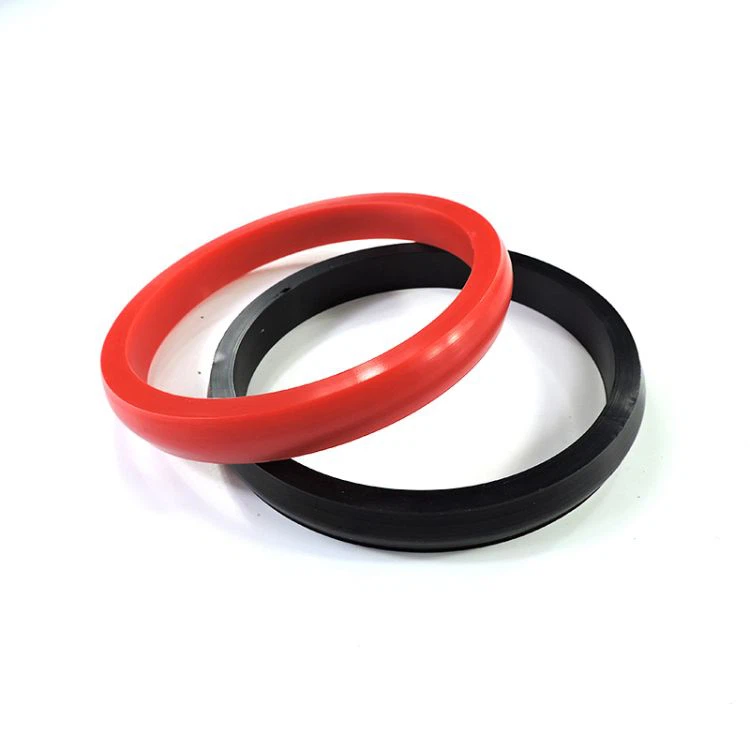
Let's start by understanding what rubber D ring seals are. These seals are named for their distinctive D-shaped cross-section. They're made from various types of rubber, each with its own set of properties. Some common rubber materials used for D ring seals include silicone, EPDM, nitrile, and Viton. The choice of rubber depends on the specific requirements of the application, such as temperature resistance, chemical compatibility, and flexibility.
Now, when it comes to pharmaceutical applications, there are some pretty strict standards and requirements. The pharmaceutical industry deals with drugs, medications, and other sensitive substances, so everything that comes into contact with these products needs to meet high safety and quality standards.
One of the most important factors in pharmaceutical applications is the chemical compatibility of the seal material. The rubber used in D ring seals must not react with the pharmaceutical products. For example, if a seal is used in a container that holds a liquid medication, the rubber can't leach any harmful chemicals into the liquid. This is where the choice of rubber becomes crucial.
- Silicone rubber is often a good choice for pharmaceutical applications. It's known for its excellent chemical resistance and low toxicity. It can withstand a wide range of temperatures without degrading, which is important since pharmaceutical products may need to be stored or transported at different temperatures.
- EPDM rubber is also a viable option. It has good resistance to water, steam, and many chemicals commonly found in pharmaceutical manufacturing processes. It's also relatively cost - effective, which can be an advantage for large - scale production.
- Nitrile rubber offers good resistance to oils and fuels, but its use in pharmaceutical applications may be more limited. It can react with some chemicals, so it's important to carefully assess its compatibility with the specific pharmaceutical product.
- Viton is a high - performance fluoropolymer rubber. It has exceptional chemical resistance, especially to strong solvents and acids. However, it can be more expensive than other types of rubber.
Another aspect to consider is the cleanliness and sterility of the seals. In the pharmaceutical industry, contamination is a big no - no. Rubber D ring seals need to be manufactured in a clean environment to prevent the introduction of dust, bacteria, or other contaminants. Many suppliers, including us, use advanced manufacturing processes and quality control measures to ensure that the seals are as clean as possible. Some seals may also be sterilized before being used in pharmaceutical applications. This can be done through methods like gamma irradiation or autoclaving, depending on the type of rubber and the seal's intended use.
Let's talk about the physical properties of rubber D ring seals that make them suitable for pharmaceutical applications. Their D - shaped design offers some unique advantages. Compared to traditional O - ring seals, D ring seals can provide better sealing performance in some situations. They have a larger surface area in contact with the mating parts, which can result in a more effective seal. This is important in pharmaceutical equipment where even a small leak could lead to product contamination or loss. The flexibility of rubber D ring seals allows them to conform to irregular surfaces. In pharmaceutical machinery, there may be parts with complex shapes or rough surfaces. The D ring seals can adapt to these surfaces, creating a tight seal and preventing the escape of substances.
But it's not all smooth sailing. There are some challenges associated with using rubber D ring seals in pharmaceutical applications. One of the main challenges is rubber degradation over time. Exposure to certain chemicals, high temperatures, or mechanical stress can cause the rubber to break down. This can lead to the formation of cracks or the release of rubber particles, which can contaminate the pharmaceutical products. To mitigate this risk, it's important to choose the right rubber material and to perform regular inspections of the seals.
Now, let's look at some real - world examples of how rubber D ring seals are used in the pharmaceutical industry. They can be found in a variety of equipment, such as mixing tanks, filling machines, and storage containers. In mixing tanks, the seals are used to prevent the leakage of the pharmaceutical ingredients during the mixing process. In filling machines, they ensure that the right amount of medication is dispensed accurately without any spills or leaks. And in storage containers, they keep the pharmaceutical products sealed and protected from the outside environment.
If you're interested in the Rubber D-ring As Sealing Application, we've got a lot of experience in this area. We can provide detailed information on how our seals work in different pharmaceutical setups. And if you have specific requirements, like a custom - sized or custom - shaped D ring seal, we can help with that too. Check out our Custom Rubber D Ring options.
So, can rubber D ring seals be used in pharmaceutical applications? The answer is yes, but with careful consideration. By choosing the right rubber material, ensuring proper cleanliness and sterility, and monitoring for degradation, these seals can play a vital role in the pharmaceutical industry.

If you're in the pharmaceutical business and are looking for reliable rubber D ring seals, don't hesitate to get in touch. We're here to answer your questions, provide samples, and discuss your specific needs. Whether it's for a small - scale research project or a large - scale manufacturing operation, we've got the seals and the expertise to meet your requirements. Let's have a chat about how we can work together to ensure the safety and quality of your pharmaceutical products.
References:
- ASTM standards on rubber materials for sealing applications
- FDA guidelines for materials in contact with pharmaceutical products
- Industry whitepapers on the use of rubber seals in the pharmaceutical industry


