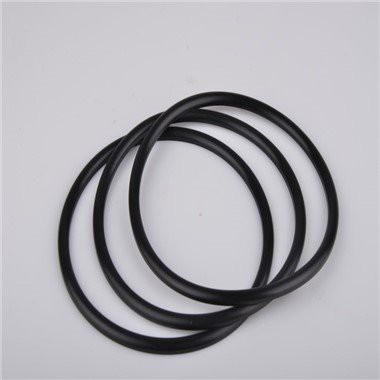

Hey there! As a supplier of Rubber X - rings, I often get asked about the safety precautions when using these handy little seals. So, I thought I'd share some insights to help you use them safely and effectively.
First off, let's understand what Rubber X - rings are. They're a type of sealing ring, like those O-ring X-ring Rubber. The X - shape offers some advantages over traditional O - rings. It has four sealing lips instead of the O - ring's two, which provides better sealing performance, especially in high - pressure applications.
Material Compatibility
One of the most important safety precautions is about material compatibility. Different rubber materials have different chemical resistances. For example, if you're using Rubber X - rings in a chemical processing environment, you need to make sure the rubber material can withstand the chemicals it'll come into contact with.
Nitrile rubber X - rings are great for general - purpose applications and are resistant to oil and fuel. But if you're dealing with strong acids or ozone, they might not be the best choice. On the other hand, Viton rubber X - rings are highly resistant to chemicals and high temperatures, making them suitable for more demanding environments. Always check the chemical compatibility chart for the specific rubber material of your X - ring. You can also consult us for advice on choosing the right material for your application.
Temperature and Pressure
Temperature and pressure are two other factors that can affect the safety and performance of Rubber X - rings. Each rubber material has its own temperature range within which it can function properly. If the temperature is too high, the rubber can become soft and lose its shape, resulting in a poor seal. Conversely, if it's too cold, the rubber might harden and crack.
Similarly, pressure matters. Rubber X - rings are designed to handle a certain amount of pressure. If you exceed this limit, the ring can be extruded from the groove, leading to a leak. So, make sure to check the temperature and pressure ratings of the X - ring you're using. And if you're not sure, that's where we come in. We can help you select an X - ring that can handle the conditions of your application.
Installation
Proper installation is crucial for the safe and effective use of Rubber X - rings. When installing, make sure that the mating surfaces are clean and free of any debris or sharp edges. A sharp edge can cut the rubber ring during installation, compromising its sealing ability.
Use the right tools for installation. Avoid using anything that could damage the ring, like sharp - ended picks. If possible, use a dedicated O - ring installation tool or a smooth - edged object to guide the ring into place.
Also, make sure the ring is seated properly in the groove. It should fit snugly without being over - stretched or twisted. An improperly installed ring can lead to leaks and premature failure. If you're having trouble with installation, we can provide some installation guides or even offer on - site support for larger orders.
Storage
Yes, even storage plays a role in the safety of using Rubber X - rings. Exposure to sunlight, ozone, and extreme temperatures during storage can degrade the rubber material. Store the X - rings in a cool, dry, and dark place. Keep them away from sources of ozone, like electric motors or high - voltage equipment.
When storing the rings, don't stack them too tightly. This can cause deformation in the rings, especially if they're stored for a long time. Instead, keep them in a loose and organized manner. If you need to store a large quantity of X - rings, consider using storage bins or cabinets designed for this purpose.
Inspection
Regular inspection of the Rubber X - rings is necessary to maintain safety. Before installation, check the rings for any visible damage, such as cuts, nicks, or cracks. Even a small imperfection can lead to a leak.
During operation, keep an eye on the sealing performance. If you notice any signs of leakage, it could be a sign that the X - ring needs to be replaced. Also, check for any signs of wear, such as flattening or discoloration of the ring.
Special Applications
In some special applications, like those involving X Ring Rubber Bullets or Rubber Quad Ring, additional safety precautions might be needed.
For example, in high - speed rotating applications, the centrifugal force can put extra stress on the X - ring. You need to make sure the ring is properly secured and can withstand the rotational forces. In applications where the X - ring is exposed to high - frequency vibrations, it's important to choose a rubber material that has good vibration - damping properties.
Conclusion
Alright, so there you have it! These are some of the key safety precautions when using Rubber X - rings. By being aware of material compatibility, temperature and pressure limits, proper installation, storage, and inspection, you can ensure the safe and efficient use of these seals in your applications.
If you have any questions about choosing the right Rubber X - ring for your specific needs or need more detailed safety information, feel free to reach out. We're here to help you make the best choice and get the most out of our Rubber X - rings. Whether you're a small - scale DIY enthusiast or a large - scale industrial user, we can provide the right products and support for your requirements.

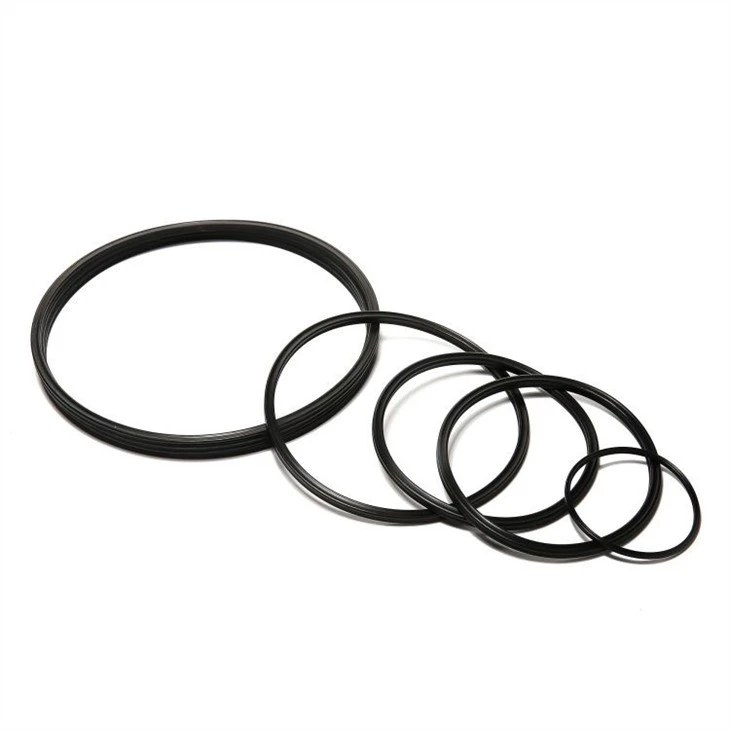
So, if you're in the market for high - quality Rubber X - rings, don't hesitate to contact us for a purchase discussion. We're confident that our products and service can meet your expectations.
References:
- Perry, R. H., & Green, D. W. (Eds.). (1997). Perry's Chemical Engineers' Handbook. McGraw - Hill.
- Rubber Manufacturers Association. (2009). Rubber Products Handbook.