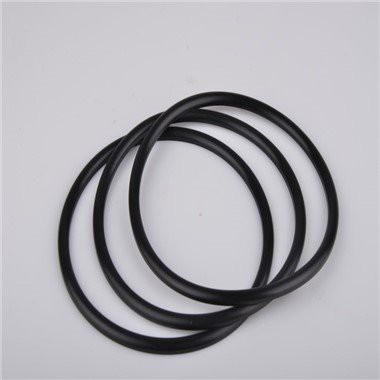

Hey there! As a supplier of rubber D - rings, I often get asked if these little guys are suitable for use in plumbing. Well, let's dive right into it and figure out if rubber D - rings are a good fit for your plumbing needs.
What are Rubber D - Rings?
First things first, let's talk about what rubber D - rings actually are. Rubber D - rings are, as the name suggests, shaped like the letter "D". They're made from various types of rubber, such as EPDM, nitrile, silicone, etc. Each type of rubber has its own unique properties, which makes them suitable for different applications.
You can find a wide variety of rubber D - rings on our website. For example, the Rubber D Ring Seal is designed specifically for sealing purposes. It can prevent leaks and keep your plumbing system running smoothly. And if you have specific requirements, we also offer Custom Rubber D Ring, which can be tailored to your exact needs.
Advantages of Using Rubber D - Rings in Plumbing
There are several reasons why rubber D - rings can be a great choice for plumbing applications.
1. Excellent Sealing Properties
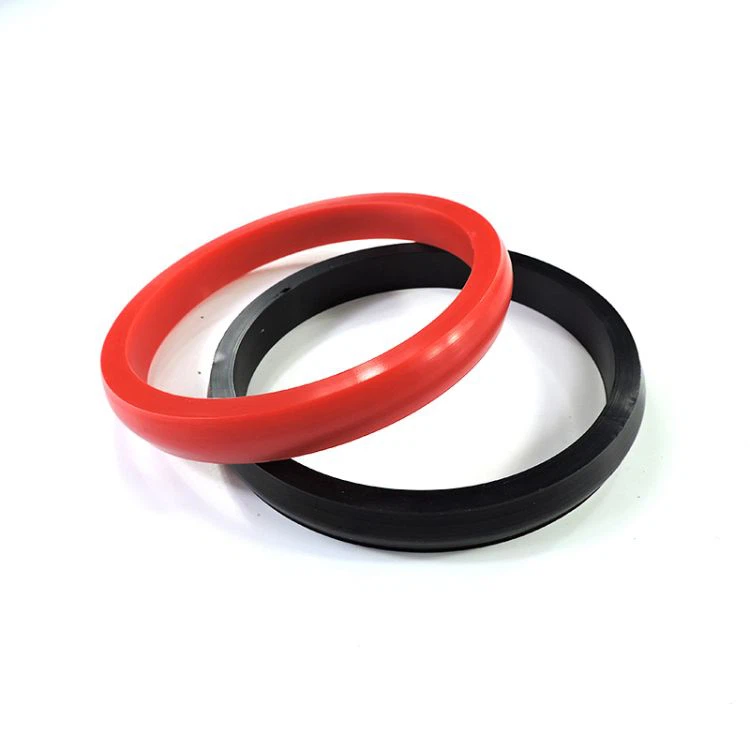
One of the main reasons to use rubber D - rings in plumbing is their ability to create a tight seal. The unique D - shape allows them to fit snugly into the grooves of pipes and fittings. This helps to prevent water from leaking out, which is crucial for maintaining the integrity of your plumbing system. Whether it's a small household pipe or a large industrial plumbing setup, a good seal can save you a lot of headaches (and water bills) in the long run.

2. Chemical Resistance
Different types of rubber used in D - rings offer varying degrees of chemical resistance. For example, EPDM rubber is highly resistant to water, steam, and many chemicals commonly found in plumbing systems. This means that the D - rings can withstand exposure to these substances without deteriorating quickly. So, if your plumbing system deals with chemicals like chlorine or other cleaning agents, rubber D - rings can hold up well.
3. Flexibility and Durability
Rubber is a flexible material, and D - rings made from rubber can easily adapt to the movement and vibrations in a plumbing system. They can absorb shocks and prevent damage to pipes and fittings. At the same time, they are also durable enough to last for a long time. With proper installation and maintenance, rubber D - rings can serve your plumbing system for years.
4. Cost - Effective
Compared to some other sealing solutions, rubber D - rings are relatively inexpensive. They offer a great balance between performance and cost. You don't have to break the bank to get a reliable sealing solution for your plumbing.
Disadvantages of Using Rubber D - Rings in Plumbing
Of course, like any product, rubber D - rings also have some drawbacks when it comes to plumbing applications.
1. Temperature Limitations
Rubber has its temperature limits. If the water in your plumbing system gets too hot or too cold, it can affect the performance of the rubber D - rings. For example, extreme heat can cause the rubber to expand and lose its shape, while extreme cold can make it brittle and more likely to crack. So, you need to make sure that the type of rubber used in the D - rings is suitable for the temperature range of your plumbing system.
2. Compatibility Issues
Not all rubbers are compatible with all types of fluids. For instance, some rubber materials may react with certain oils or solvents that might be present in the plumbing system. This can lead to swelling, degradation, or loss of sealing ability. It's important to choose the right type of rubber D - ring based on the fluids your plumbing system will be handling.
Applications of Rubber D - Rings in Plumbing
Rubber D - rings can be used in a variety of plumbing applications.
1. Pipe Connections
They are commonly used to seal the joints between pipes. Whether it's a simple connection between two PVC pipes in a household sink or a more complex connection in an industrial plumbing network, rubber D - rings can provide a reliable seal. For example, the Rubber D Ring for Bumper Mount can be used in pipe connections to absorb vibrations and prevent leaks.
2. Faucets and Valves
Rubber D - rings are also used in faucets and valves to ensure a watertight seal. They can prevent water from dripping out when the faucet is turned off or the valve is closed. This not only saves water but also helps to keep your fixtures in good working condition.
3. Water Heaters
In water heaters, rubber D - rings can be used to seal the connections between the heater and the pipes. Since water heaters deal with hot water, it's important to choose D - rings made from heat - resistant rubber, such as silicone.
Choosing the Right Rubber D - Rings for Plumbing
When it comes to choosing the right rubber D - rings for your plumbing system, there are a few things to consider.
1. Rubber Material
As mentioned earlier, different rubber materials have different properties. EPDM is a good choice for general plumbing applications, especially those involving water and steam. Nitrile rubber is more suitable for applications where there might be contact with oils or fuels. Silicone rubber is ideal for high - temperature applications, such as in water heaters.
2. Size and Dimensions
Make sure to choose the right size and dimensions of the D - ring to fit your pipes and fittings properly. A D - ring that is too small won't create a good seal, while one that is too large may not fit into the groove correctly.
3. Quality
Always go for high - quality rubber D - rings. Cheaper, low - quality D - rings may not last as long and can lead to leaks and other problems in your plumbing system. Look for D - rings that are made from good - quality rubber and have been tested for performance.
Conclusion
So, are rubber D - rings suitable for use in plumbing? The answer is yes, in most cases. They offer excellent sealing properties, chemical resistance, flexibility, and are cost - effective. However, you need to be aware of their temperature limitations and compatibility issues. By choosing the right type of rubber D - ring and ensuring proper installation and maintenance, you can make them a reliable part of your plumbing system.
If you're interested in purchasing rubber D - rings for your plumbing needs, feel free to get in touch with us. We're here to help you find the perfect solution for your specific requirements. Whether you need standard rubber D - rings or custom - made ones, we've got you covered.
References
- "Handbook of Elastomers" by K. C. Frisch and L. P. Kudva
- "Rubber Technology" by Maurice Morton