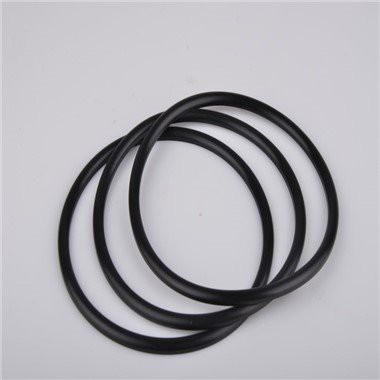

Leakage can be a persistent problem in various industries, from plumbing to automotive and manufacturing. It not only leads to the loss of valuable substances but can also cause damage to equipment and pose safety risks. This is where rubber caps come into play. As a leading supplier of rubber caps, I've witnessed firsthand how these small yet mighty components can effectively prevent leakage. In this blog post, I'll delve into the science behind how rubber caps achieve this crucial function.
The Basics of Rubber Caps
Before we explore how rubber caps prevent leakage, let's first understand what they are. Rubber caps are versatile components made from various types of rubber, such as natural rubber, silicone rubber, and neoprene. They come in a wide range of shapes, sizes, and designs to suit different applications. Some common types of rubber caps include Rubber Tube End Caps, OEM ODM Protective Tips Cover Rubber Cap, and Rubber Bolt Cap. These caps are used to seal the ends of tubes, pipes, bolts, and other components to prevent the escape of liquids, gases, or other substances.
Material Properties of Rubber
The key to the leakage - prevention capabilities of rubber caps lies in the unique properties of rubber. Rubber is an elastomer, which means it has the ability to deform under stress and return to its original shape when the stress is removed. This elasticity allows rubber caps to create a tight seal around the object they are covering.
One of the most important properties of rubber is its high coefficient of friction. When a rubber cap is placed on a surface, the friction between the rubber and the surface helps to hold the cap in place. This prevents the cap from slipping off and ensures a continuous seal. Additionally, rubber has excellent chemical resistance, which means it can withstand exposure to a wide range of chemicals, including acids, bases, and solvents. This makes rubber caps suitable for use in various industries where they may come into contact with different types of substances.
Sealing Mechanisms
There are several sealing mechanisms at work when rubber caps prevent leakage. The first is the compression seal. When a rubber cap is installed on an object, it is usually compressed slightly. This compression causes the rubber to expand and fill any gaps or irregularities on the surface of the object. For example, when a rubber tube end cap is pushed onto the end of a tube, the cap is compressed around the tube's outer diameter. The compressed rubber creates a tight barrier that prevents liquids or gases from escaping.
Another sealing mechanism is the interference fit. Rubber caps are often designed with an inner diameter that is slightly smaller than the outer diameter of the object they are meant to cover. When the cap is forced onto the object, the rubber stretches to fit around it. This creates a strong mechanical bond between the cap and the object, further enhancing the seal. For instance, a rubber bolt cap is designed to fit snugly over a bolt, with the rubber stretching to grip the threads of the bolt tightly.
Design Considerations
The design of rubber caps also plays a crucial role in preventing leakage. Caps are engineered with specific features to optimize their sealing performance. For example, some rubber caps have唇边 (lips) or flanges. These additional layers of rubber around the edge of the cap can provide an extra level of sealing. When the cap is in place, the lips or flanges are compressed against the surface, creating a secondary seal that further reduces the risk of leakage.
The shape of the cap is also important. Caps can be designed to fit different types of objects. For example, a conical - shaped rubber tube end cap can be used to seal tubes with tapered ends. The conical shape allows the cap to adapt to the changing diameter of the tube, ensuring a consistent seal along the entire length of the contact area.
Environmental Factors
Environmental factors can affect the performance of rubber caps in preventing leakage. Temperature is one of the most significant factors. Rubber's elasticity can change with temperature. At low temperatures, rubber may become stiff and lose some of its ability to form a tight seal. On the other hand, at high temperatures, rubber may soften and become more prone to deformation. To address this issue, we as a rubber cap supplier offer caps made from different types of rubber with varying temperature - resistance properties. For example, silicone rubber caps are known for their excellent performance in both high - and low - temperature environments.
Humidity can also impact rubber caps. High humidity can cause rubber to absorb moisture, which may lead to swelling and a change in the cap's dimensions. This can potentially affect the seal. However, some types of rubber are more resistant to moisture absorption than others. By carefully selecting the right type of rubber for a specific application, we can ensure that the caps maintain their leakage - prevention capabilities even in humid conditions.
Quality Control
As a rubber cap supplier, we understand the importance of quality control in ensuring that our caps effectively prevent leakage. We have a rigorous quality control process in place from the raw material stage to the final product. The raw rubber materials are tested for their physical and chemical properties to ensure they meet our standards. During the manufacturing process, we use advanced molding techniques to ensure that each cap is produced with consistent dimensions and properties.
After production, the caps are inspected for any defects, such as cracks, holes, or uneven surfaces. We also conduct leakage tests on a sample of the caps to verify their sealing performance. Only caps that pass all our quality control checks are shipped to our customers.
Applications in Different Industries
Rubber caps find applications in a wide range of industries due to their excellent leakage - prevention capabilities. In the plumbing industry, rubber tube end caps are used to seal the ends of pipes during installation or maintenance. This prevents water from leaking out of the pipes, saving water and preventing damage to the surrounding areas.
In the automotive industry, rubber caps are used to seal various components, such as fuel lines, coolant hoses, and electrical connectors. These caps prevent the leakage of fuel, coolant, and other fluids, which is crucial for the safe and efficient operation of vehicles.
In the manufacturing industry, rubber caps are used to protect and seal parts during the production process. For example, rubber bolt caps can be used to protect the threads of bolts from damage and prevent the ingress of dirt or debris, which could affect the performance of the machinery.


Conclusion
In conclusion, rubber caps are highly effective in preventing leakage through a combination of material properties, sealing mechanisms, design considerations, and quality control. Their ability to create a tight seal around objects makes them an essential component in many industries. As a rubber cap supplier, we are committed to providing high - quality caps that meet the diverse needs of our customers.
If you are in need of rubber caps for your specific application, whether it's Rubber Tube End Caps, OEM ODM Protective Tips Cover Rubber Cap, or Rubber Bolt Cap, please feel free to contact us for procurement and further discussions. We look forward to working with you to solve your leakage - prevention challenges.
References
- "Handbook of Elastomers" by Henry Markovitz.
- "Sealing Technology: Principles and Practice" by David Dowson.
- Industry reports on rubber products and their applications.