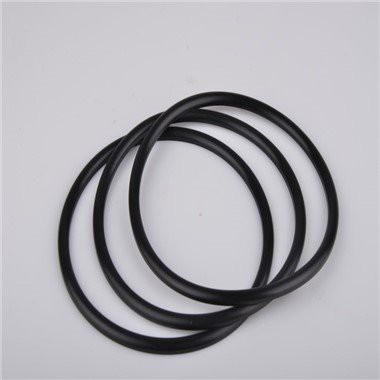

As a seasoned supplier of OEM seal rings, I've encountered numerous inquiries regarding the ease of installing these crucial components. In this blog, I'll delve into the intricacies of OEM seal ring installation, exploring the factors that influence the process and offering insights based on my extensive experience in the industry.
Understanding OEM Seal Rings
OEM seal rings are custom-designed and manufactured to meet the specific requirements of original equipment manufacturers. These rings play a vital role in preventing fluid leakage, maintaining pressure, and protecting machinery from contaminants. They come in a wide range of materials, including rubber, silicone, and PTFE, each with its unique properties and applications.
Factors Affecting Installation Ease
The ease of installing OEM seal rings depends on several factors, including the design of the ring, the type of material used, the mating surface conditions, and the installation method employed. Let's take a closer look at each of these factors:
Design of the Ring
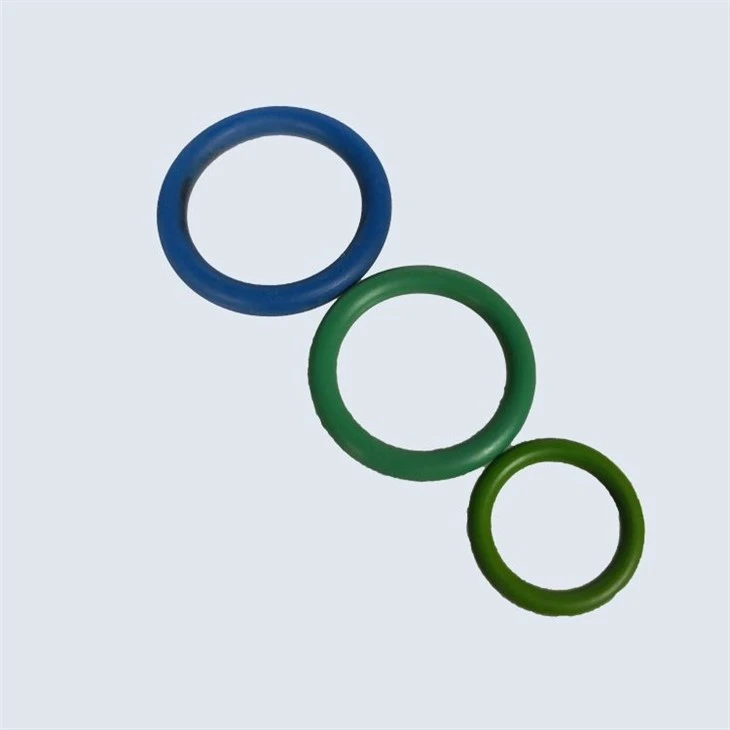
The design of the seal ring can significantly impact its ease of installation. Rings with simple geometries, such as O-rings and square rings, are generally easier to install than those with complex shapes. For example, Rubber Square Ring offers a straightforward design that allows for easy insertion into the groove. On the other hand, molded rubber rings, which are custom-shaped to fit specific applications, may require more precise alignment and installation techniques. Molded Rubber Ring
Material Selection
The choice of material for the seal ring is another critical factor. Some materials, like rubber, are more flexible and forgiving during installation, making them easier to work with. Rubber has excellent elasticity, which allows it to conform to the mating surfaces and create a tight seal. However, certain applications may require the use of more rigid materials, such as PTFE, which can be more challenging to install due to their lower flexibility.

Mating Surface Conditions
The condition of the mating surfaces where the seal ring will be installed is crucial. Smooth, clean, and properly machined surfaces are essential for a successful installation. Any scratches, burrs, or contaminants on the mating surfaces can damage the seal ring and prevent it from forming a proper seal. Before installation, it's important to thoroughly clean and inspect the mating surfaces to ensure they meet the required specifications.
Installation Method
The installation method used can also affect the ease of installation. There are several techniques available, including manual installation, using tools such as pliers or specialized installation equipment. Manual installation is suitable for simple applications and small seal rings, while larger or more complex rings may require the use of tools to ensure proper alignment and insertion. It's important to follow the manufacturer's installation instructions carefully to avoid damaging the seal ring.
Tips for Easy Installation
Based on my experience, here are some tips to make the installation of OEM seal rings easier:
- Prepare the Mating Surfaces: As mentioned earlier, clean and inspect the mating surfaces to ensure they are smooth and free of contaminants. Use a suitable cleaning agent and a lint-free cloth to remove any dirt or debris.
- Lubricate the Seal Ring: Applying a small amount of lubricant to the seal ring can significantly reduce friction during installation. Choose a lubricant that is compatible with the seal ring material and the application environment.
- Use the Right Tools: Select the appropriate tools for the installation. For example, if you're installing an O-ring, a pair of O-ring installation pliers can make the process much easier. Make sure the tools are clean and in good condition to avoid damaging the seal ring.
- Follow the Manufacturer's Instructions: Always refer to the manufacturer's installation instructions for specific guidelines and recommendations. These instructions will provide valuable information on the correct installation method, torque values, and any special considerations.
- Inspect the Seal Ring After Installation: Once the seal ring is installed, visually inspect it to ensure it is properly seated and there are no signs of damage or distortion. Check for any gaps or leaks around the seal area.
Challenges in Installation
While OEM seal rings can be relatively easy to install in many cases, there are some challenges that may arise. These include:
- Tight Tolerances: Some applications require seal rings to be installed in tight spaces or with very precise tolerances. This can make it difficult to insert the ring without damaging it or achieving a proper seal.
- High-Pressure Applications: In high-pressure applications, the seal ring must be able to withstand significant forces without leaking. Installing a seal ring in a high-pressure environment requires careful consideration of the material, design, and installation method to ensure its effectiveness.
- Complex Geometries: As mentioned earlier, seal rings with complex geometries can be more challenging to install. They may require specialized tools or techniques to ensure proper alignment and insertion.
Conclusion
In conclusion, the ease of installing OEM seal rings depends on a variety of factors, including the design of the ring, the material used, the mating surface conditions, and the installation method. While there are some challenges that may arise, following the tips and guidelines outlined in this blog can help make the installation process easier and more successful.
As a supplier of OEM seal rings, I understand the importance of providing high-quality products and excellent customer service. If you have any questions or need further assistance with the installation of our seal rings, please don't hesitate to contact us. We are here to help you find the right solution for your specific application.
References
- "Sealing Technology Handbook," John A. Schey, McGraw-Hill Professional
- "Rubber Seals and Gaskets: Design, Materials, and Applications," John D. Adamson, William Andrew Publishing