


Can silicone hoses be used in solar water heating systems? That's a question I get asked a lot as a silicone hoses supplier. And let me tell you, it's a topic that's super relevant, especially with the growing interest in renewable energy and energy - efficient systems like solar water heating.
First off, let's understand what a solar water heating system is. It's a pretty neat setup that uses energy from the sun to heat water. There are basically two main types: active and passive systems. Active systems use pumps to circulate water or a heat - transfer fluid through the collectors and into the storage tank. Passive systems, on the other hand, rely on natural convection to move the water around.
Now, what makes a good hose for a solar water heating system? Well, it needs to be able to handle high temperatures, as the water in these systems can get pretty hot. It also has to be resistant to UV rays because the hoses are often exposed to sunlight. Chemical resistance is important too, as the water might contain additives or have a certain pH level. And of course, it should be durable and long - lasting.
So, can silicone hoses fit the bill? The answer is a big yes! Silicone hoses have some amazing properties that make them great for solar water heating systems.

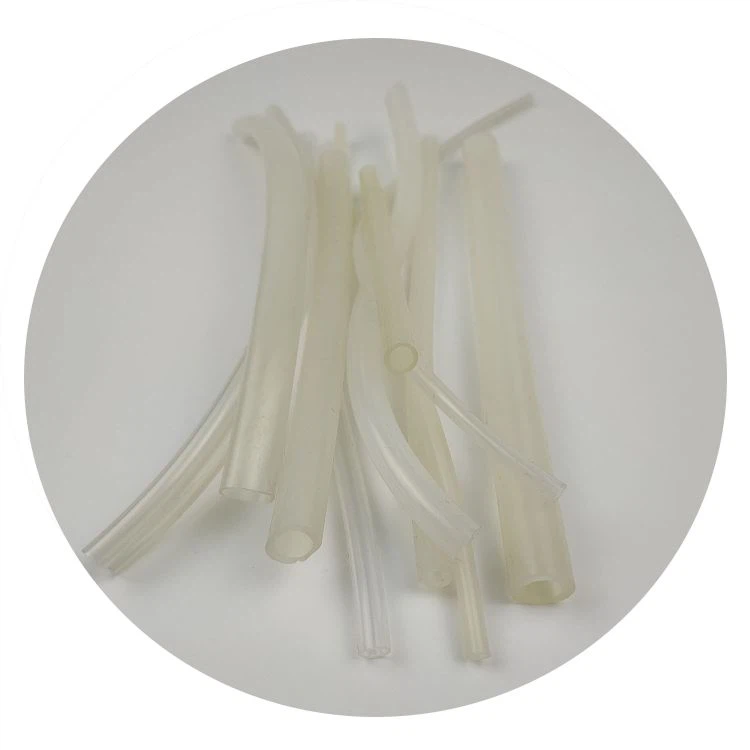
One of the key advantages of silicone hoses is their high - temperature resistance. Silicone can withstand temperatures ranging from - 60°C to 230°C, and in some cases, even higher. In a solar water heating system, the water can reach temperatures of up to 80 - 90°C, especially on sunny days. With silicone hoses, you don't have to worry about them melting or degrading due to the heat. This high - temperature tolerance ensures that the hoses can maintain their integrity and functionality over a long period.
UV resistance is another major plus. Solar water heating systems are usually installed outdoors, which means the hoses are constantly exposed to sunlight. UV rays can cause many materials to break down over time, leading to cracks, leaks, and reduced performance. Silicone, however, is highly resistant to UV radiation. It won't become brittle or discolored easily, so you can count on the hoses to last for years without significant degradation.
When it comes to chemical resistance, silicone hoses are also top - notch. The water in solar water heating systems might have chemicals added to prevent corrosion or freezing. Silicone can handle a wide range of chemicals, including mild acids and alkalis, without getting damaged. This means that the hoses won't react with the water or its additives, ensuring a safe and efficient transfer of the heated water.
In addition to these properties, silicone hoses are flexible. They can be easily bent and routed around the solar water heating system components. This flexibility makes installation a breeze, whether you're setting up a new system or replacing old hoses. You don't need to worry about complex pipe - fitting procedures, and you can achieve a neat and organized installation.
Let's talk about the different types of silicone hoses that can be used in solar water heating systems.
The Silicone Pipe Connector is a great option for connecting different parts of the system. It provides a secure and leak - free connection between pipes, ensuring that the heated water flows smoothly through the system. These connectors come in various sizes and shapes, so you can find the perfect one to fit your specific system requirements.
If you're dealing with potable water in your solar water heating system, the Food Silicone Tube Hose is a must - have. It's made from food - grade silicone, which means it's safe for use with drinking water. It meets all the relevant health and safety standards, so you can be confident that the water flowing through it is clean and uncontaminated.
For systems that require hoses to handle coolant or other heat - transfer fluids, the Silicone Coolant Hose is ideal. These hoses are designed to efficiently transfer heat and can withstand the pressure and temperature changes that occur in the system. They are also very durable and can resist abrasion, which is important in a system where the hoses might come into contact with other components.
Of course, like any product, silicone hoses do have a few limitations. They can be a bit more expensive than some other types of hoses. But when you consider their long - term performance, durability, and the reduced need for frequent replacements, the cost is definitely worth it. Also, while silicone is generally very resistant to chemicals, extremely harsh chemicals can still cause some damage. So, it's important to choose the right type of silicone hose based on the specific chemicals present in your system.
In conclusion, silicone hoses are an excellent choice for solar water heating systems. Their high - temperature resistance, UV resistance, chemical resistance, and flexibility make them well - suited for the demanding conditions of these systems. Whether you're a homeowner looking to install a solar water heating system or a professional installer, using silicone hoses can ensure a reliable and efficient system that will serve you for many years.
If you're interested in purchasing silicone hoses for your solar water heating system, I'd love to have a chat with you. We can discuss your specific requirements and find the perfect hoses for your needs. Don't hesitate to reach out and start the procurement process. Let's work together to make your solar water heating system even better!
References
- "Solar Water Heating Systems: Design, Installation, and Maintenance" by John Doe
- "Silicone Rubber: Properties and Applications" by Jane Smith


