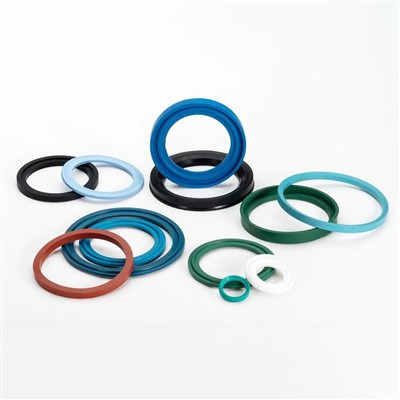
JANUARY 20, 2026 – As the strongest polar vortex in five years sweeps across the Northern Hemisphere, vehicle reliability has become a top headline. While many blame batteries for "dead" cars in -30°C (-22°F) temperatures, experts are pointing to a smaller, hidden culprit: failing rubber seals.

Why Cheap Rubber "Snaps" in Winter
Standard rubber parts are a lot like a bar of chocolate. At room temperature, they are flexible. At -30°C, they become brittle and can crack like glass. This is known in chemistry as the "Glass Transition Temperature."
The 2026 Cooling Crisis
New data shows that 40% of roadside assist calls this month were due to coolant leaks. Most of these weren't caused by broken hoses, but by small O-ring seals that shrank in the cold, allowing vital battery-cooling fluid to spray out.
Xiamen Best Seal's Cold-Proof Innovation
Responding to the extreme weather of 2026, Xiamen Best Seal has accelerated the shipments of our "Arctic-Series" EPDM and Silicone compounds. Unlike standard rubber, our materials are engineered to stay soft and flexible down to -50°C.
Stays flexible when others fail, preventing leaks in EV cooling lines.
Near-zero shrinkage in sub-zero temps for door and window seals.
3 Expert Tips for Winter Reliability
- Check Your Fluid Levels: A drop in coolant often means a seal is starting to shrink.
- Lubricate Door Seals: Use a specialized rubber care stick to prevent doors from freezing shut and tearing the gasket.
- Don't Force Your Windows: If they're frozen, forcing them can tear the rubber wiper seal. Wait for the defroster to work.
Reliable Parts for Any Climate
From the deserts of the Middle East to the Arctic winters, Xiamen Best Seal provides materials that keep the world moving.
Get Our Cold-Resistance Data