In manufacturing, surface finishing, and chemical processing, rubber plugs and stoppers are small but vital components. Whether masking threaded bolt holes in a 200°C powder coating oven, preventing corrosion inside fluid ports during anodizing baths, or sealing glass flasks in a testing lab, selecting the correct plug geometry and polymer compound is essential to quality control.
Using the wrong plug can result in paint ingress into critical threads, chemical leaks, or melted rubber residues that ruin components. In this guide, we explore the primary types of industrial rubber plugs, material selection parameters, and sizing rules for B2B engineering and production lines.
1. Key Types of Industrial Rubber Plugs
Industrial plugs are designed to fit securely into circular, threaded, or irregular holes. The most common designs include:
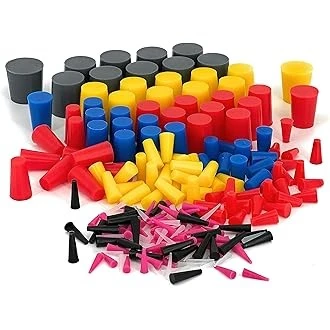
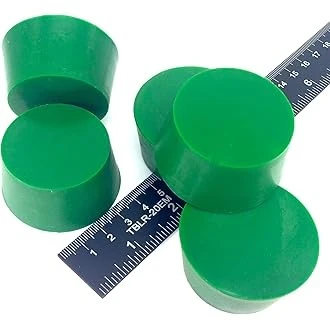
- Tapered Rubber Plugs (Solid Stoppers): The classic cone-shaped plug. The tapered design allows a single plug to fit various hole diameters, creating a tight friction seal when pushed in. Widely used in laboratories, industrial cleaning lines, and general product masking.
- Pull Plugs (Tabbed Plugs): Specifically designed for threaded or through-holes. These plugs feature a long, flexible pull-tab stretching out of the center. Operators pull the tab to stretch the plug, reducing its diameter for easy insertion. Once released, the rubber rebounds to fit the threads, and can be pulled out just as easily from the opposite side.
- Flangeless Plugs (Core Plugs): Designed with a hollow core and a tapered outer profile. They seal threaded holes without covering the surrounding flange surface, ensuring that the area around the hole receives paint or plating coating.
- Blind Hole Plugs (Push-In Plugs): Push-in plugs that feature a groove around the middle. Unlike tapered plugs, these snap into thin sheet metal panels or cabinets to seal off unused ports, acting as dust-tight blanking plugs.
2. Material Matters: Matching the Elastomer to the Environment
Selecting the right elastomer ensures the plug survives its environment-especially during heat cures or chemical baths-without degrading or releasing gases:
- High-Temperature Silicone (VMQ): The ultimate material for powder coating and e-coating masking. Silicone plugs can withstand continuous oven temperatures up to 250°C (482°F) and spike limits of 300°C without melting, hardening, or leaving sticky residues on the metal threads.
- EPDM (Ethylene Propylene Diene Monomer): The preferred material for anodizing, plating, and chemical processing. EPDM has excellent resistance to acids, alkalis, and polar solvents. Furthermore, EPDM is highly weather and ozone resistant, making it ideal for outdoor cabinet hole plugs.
- FKM (Viton) & NBR (Nitrile): Formulated for applications involving oils, grease, and hydrocarbon fuels. FKM plugs are specified in automotive engine testing and chemical refineries due to their resistance to organic solvents and high process temperatures.
3. Sizing Guidelines: How to Get a Secure Fit
To achieve a reliable liquid-tight or paint-tight seal, a rubber plug must fit with appropriate compression. Follow these sizing rules of thumb:
- For Tapered Plugs: Choose a plug size where the minor diameter (bottom) is smaller than the hole diameter, and the major diameter (top) is larger than the hole. For optimal sealing and extraction, the hole diameter should align close to the midpoint of the plug's taper.
- For Thread Masking: Threaded holes require a snug fit to block paint. The plug's outer sealing ribs should have an outer diameter slightly larger than the major thread diameter (typically 3% to 7% interference fit) to seal the thread valleys.
- Compression Squeeze: Solid plugs generally achieve their best seal with a 5% to 15% diameter interference fit. Excess compression makes insertion and removal difficult.
Industrial Rubber Plug Selection Matrix
| Plug Type | Primary Material | Typical Sealing Function | Temp Limit |
|---|---|---|---|
| Tapered Plug | High-Temp Silicone, EPDM | Laboratory stopper, sandblasting masking, general port seal. | Silicone: 250°C EPDM: 125°C |
| Pull Plug | Silicone | Masking through-holes and female threads in powder coating lines. | Silicone: 250°C |
| Flangeless Plug | Silicone | Masking blind threaded holes without covering the outer flange surface. | Silicone: 250°C |
| Blind Hole Plug | EPDM, NBR, Silicone | Panel blanking, dust-proofing unused holes in cabinets. | EPDM: 125°C NBR: 100°C |
Custom Rubber Plugs & Stoppers from Xiamen Best Seal
At Xiamen Best Seal, we manufacture standard and custom rubber plugs in our ISO & TÜV Certified Facility.
- In-House Tooling & Mold Library: We maintain a vast library of existing molds for tapered plugs, pull plugs, and sheet metal blanking plugs, helping you standard-size without tooling setup costs.
- Custom Color Compounding: On busy assembly and finishing lines, matching different plug sizes by sight speeds up production. We can color-code your custom plugs in blue, green, yellow, red, or pink to match specific thread sizes (e.g., M6, M8, M10, M12).
- Premium FDA & Environmental Compliance: All our materials are strictly vetted. We formulate silicone and EPDM compounds to satisfy FDA CFR 21 177.2600 sanitary standards, USP Class VI requirements, and RoHS/REACH compliance.
🛠️ Explore Compliance-Grade Sealing Solutions:
- FKM vs. EPDM Chemical Resistance: Compare material properties.
- Metric Rubber Grommets: Browse our line of metric wiring grommets.
- Rubber Blanking Grommets & Hole Plugs: Snap-in blind plugs for sheet metal panels.
Need assistance selecting the right rubber plug size or material compound? Contact Xiamen Best Seal today for engineering assistance, material specification sheets, and rapid sample prototyping.
• Xiamen Best Seal • Precision Rubber Plugs & Sealing Solutions •