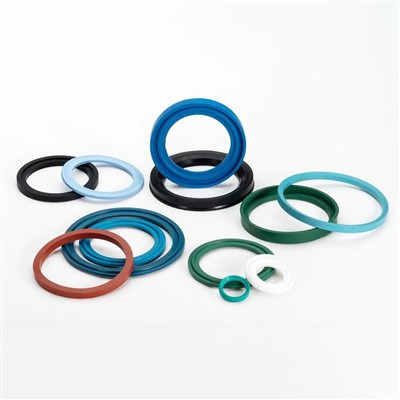
To choose the correct O-ring, accurate measurement is key. This guide will show you how to measure an O-ring step by step using standard methods.

🔹 1. Understand O-Ring Dimensions
Every O-ring is defined by two main dimensions:
ID (Inner Diameter): The distance from one inner edge to the opposite inner edge.
CS (Cross Section) or "Cord Thickness": The thickness of the O-ring's round profile.
In some cases, you'll also calculate the OD (Outer Diameter), which can be derived from:
OD = ID + 2 × CS
🔹 2. Tools You'll Need
To ensure accurate measurement, prepare the following tools:
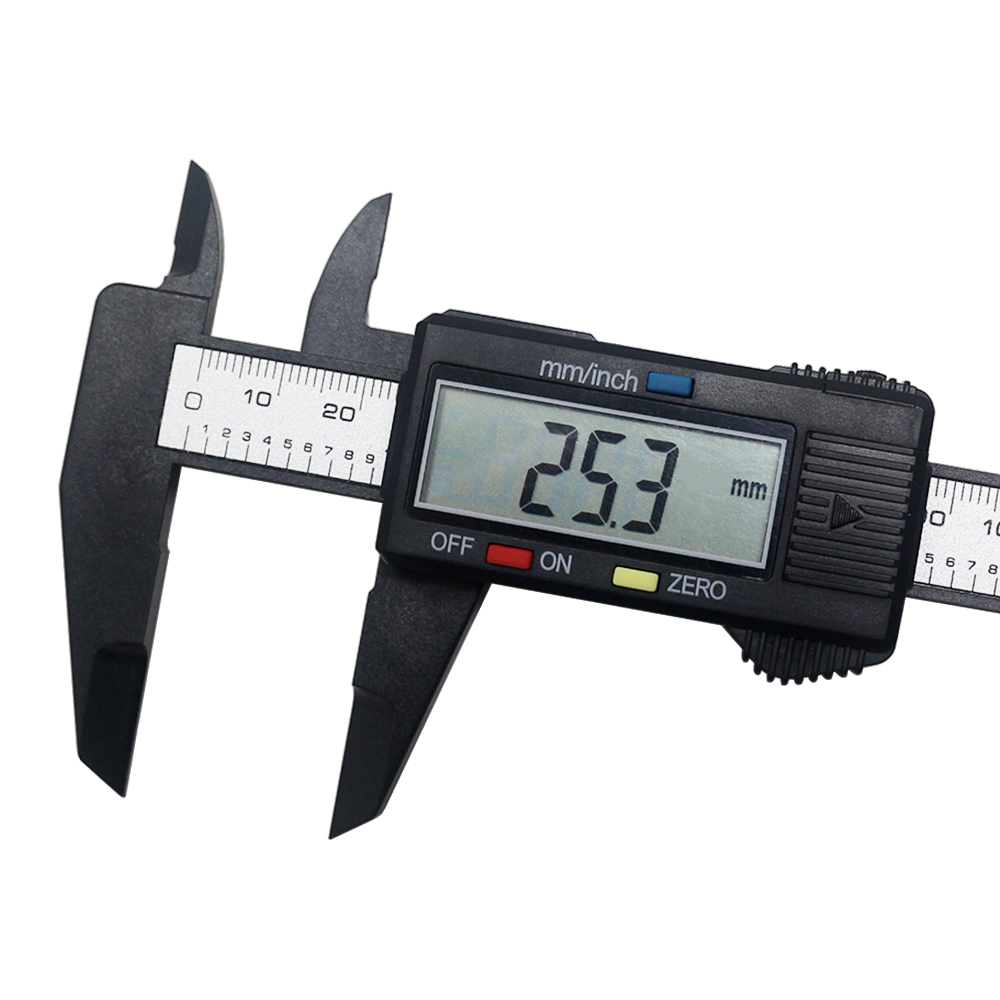
Vernier Caliper (Digital or Analog)
for precise measurement (±0.01 mm)
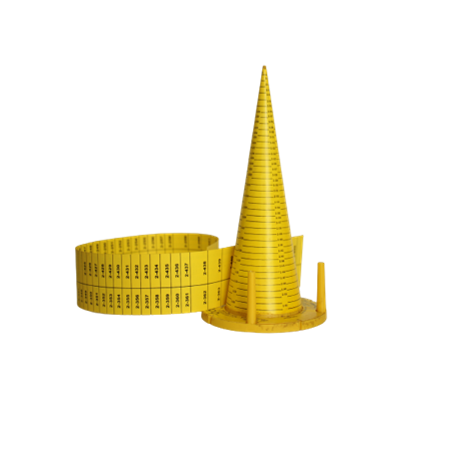
O-Ring Cone / Gauge
optional, for quick sizing checks
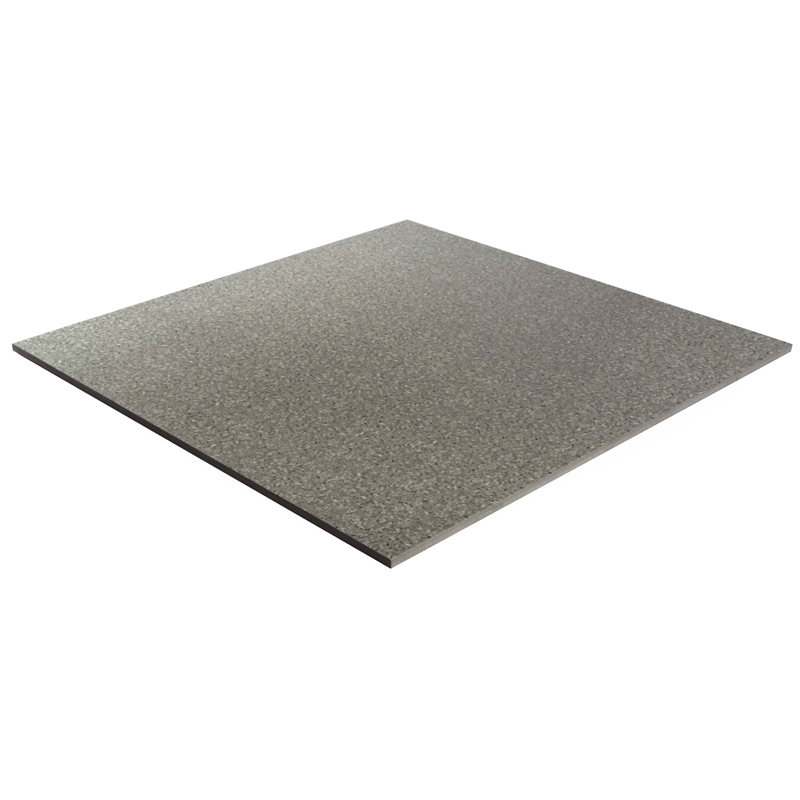
Flat Surface
to keep the O-ring from bending or stretching during measurement
🔹 3. How to Measure Step by Step
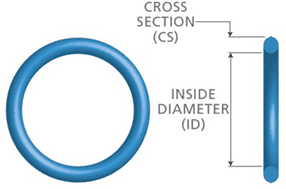
Measure the Inner Diameter (ID)
- Lay the O-ring flat on a clean surface.
- Use the caliper to measure the distance between the inner edges.
- Make sure the O-ring is not stretched - even slight tension can cause inaccurate results.
Measure the Cross Section (CS)
- Gently close the caliper jaws around the O-ring's wall thickness.
- Avoid squeezing - the rubber can deform and give a smaller reading.
- Record the measurement in millimeters (mm).

OD = ID + 2 × CS
This value helps confirm fit within a housing or groove.
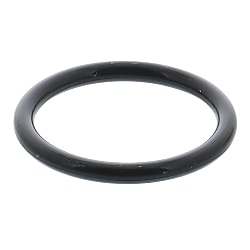
🔹 4. Measuring a Damaged or Stretched O-Ring
If the O-ring is deformed or used:
Measure both ID and CS at several points.
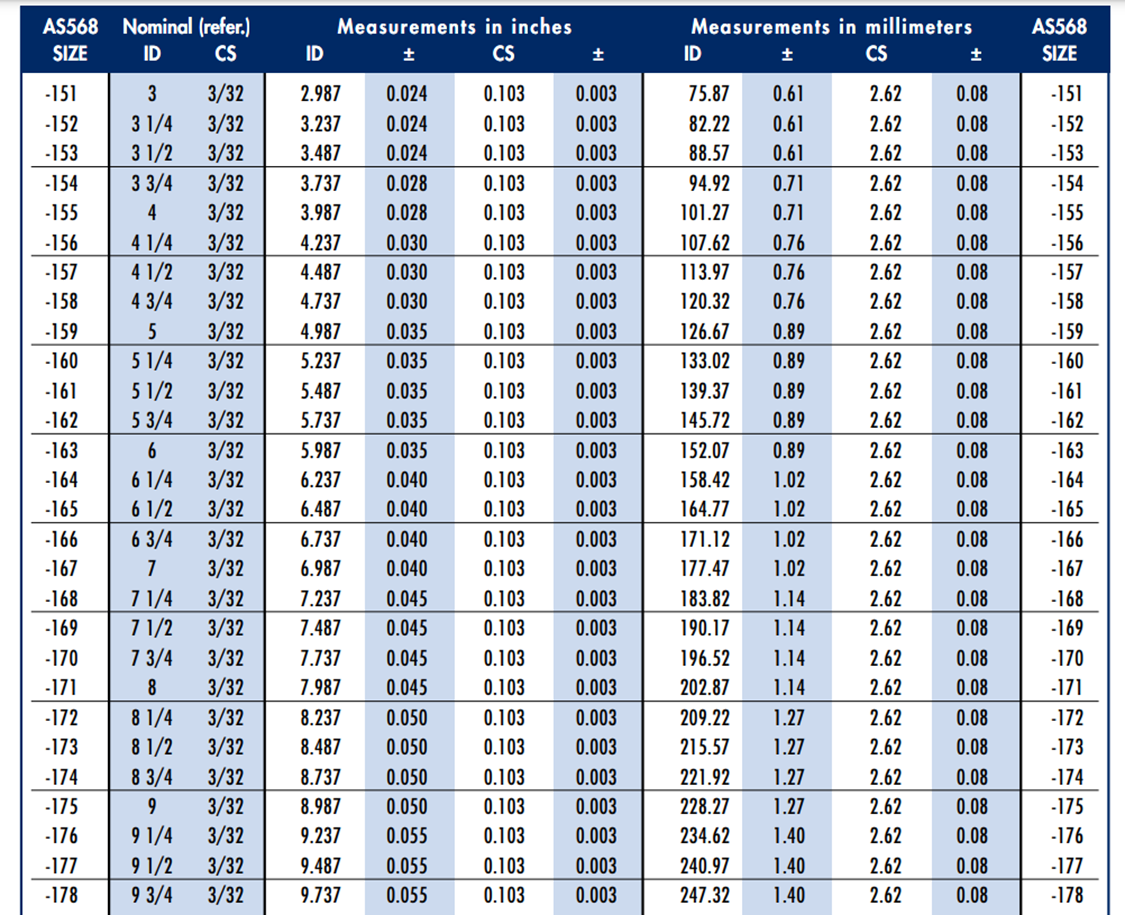
Compare with standard O-ring size charts (e.g., AS568, BS1806, ISO 3601).
If it's stretched, estimate shrinkage by about 2–5% depending on material and use time.

🔹 5. Common Mistakes to Avoid
❌ Measuring a stretched O-ring
❌ Ignoring temperature effects (rubber expands slightly with heat)
❌ Using inches vs. millimeters inconsistently
❌ Assuming "nominal" size equals "actual" size - always measure!
🔹 6. Tip: Use Size Charts
Once you've measured ID and CS, compare your values with standard size tables:
Metric O-Ring Sizes (ISO 3601)
AS568 Standard (Inch sizes)
This helps you identify the correct standard code for ordering or replacement.
🧠 Conclusion
Measuring an O-ring correctly ensures proper fit, reliable sealing, and longer product life.
Whether you're replacing old seals or designing new components, always use precision tools and reference recognized standards.
If you're unsure about the size or material, contact us - our technical team can help you select or custom-produce O-rings that meet your exact specifications.