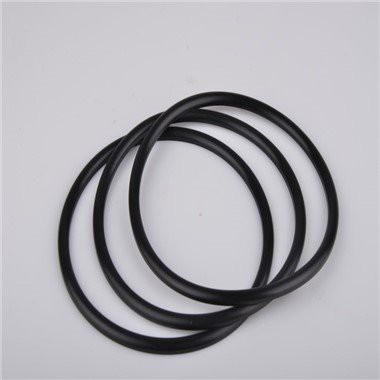

What is the Tensile Strength of an OEM Seal Ring?
As a supplier of OEM Seal Rings, I've encountered numerous inquiries about the tensile strength of these crucial components. Tensile strength is a fundamental property that determines the performance and reliability of seal rings in various applications. In this blog post, I'll delve into the concept of tensile strength, its significance for OEM Seal Rings, and factors that influence it.
Tensile strength refers to the maximum amount of tensile (pulling) stress that a material can withstand before breaking or failing. For an OEM Seal Ring, this property is vital because it often operates in environments where it is subjected to stretching, pulling, or other forces that can cause it to deform or rupture. A seal ring with insufficient tensile strength may fail prematurely, leading to leaks, equipment damage, and costly downtime.
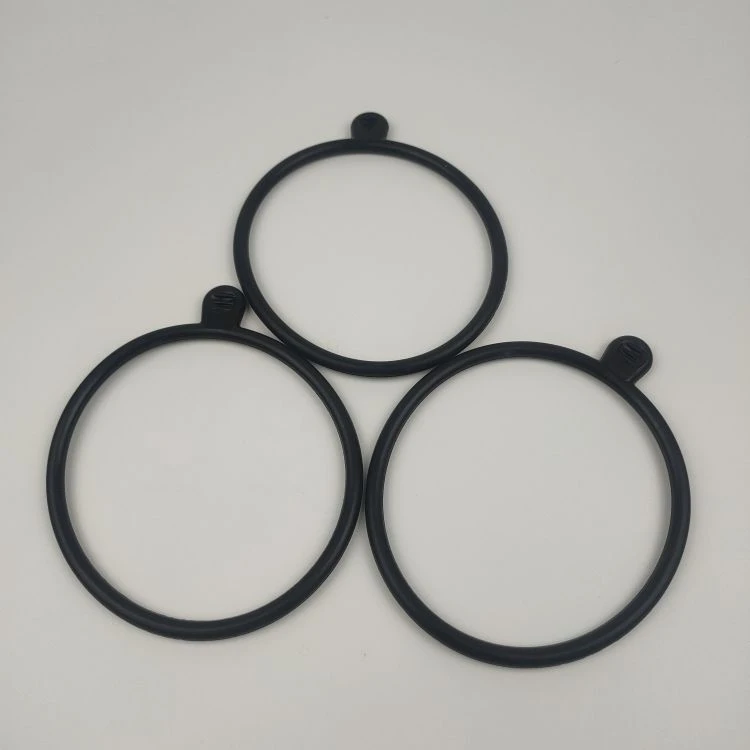

Let's take a closer look at why tensile strength matters for OEM Seal Rings. In many industrial applications, seal rings are used to prevent the leakage of fluids or gases between two components. For example, in automotive engines, seal rings are used to seal the pistons, valves, and other critical parts. If a seal ring fails due to low tensile strength, it can result in oil leaks, loss of compression, and reduced engine performance. Similarly, in hydraulic systems, seal rings are used to maintain pressure and prevent fluid leakage. A weak seal ring can lead to pressure drops, reduced efficiency, and potential system failures.
Now, let's explore the factors that can influence the tensile strength of an OEM Seal Ring. The material used to manufacture the seal ring is one of the most significant factors. Different materials have different inherent tensile strengths, and choosing the right material is crucial for ensuring the performance of the seal ring. Common materials used for OEM Seal Rings include rubber, silicone, fluorocarbon, and nitrile. Each material has its own unique properties, such as chemical resistance, temperature resistance, and flexibility, which can affect its tensile strength.
For instance, rubber is a popular choice for seal rings due to its excellent elasticity and sealing properties. However, the tensile strength of rubber can vary depending on the type of rubber and its formulation. Natural rubber typically has a relatively high tensile strength, but it may not be suitable for applications where it is exposed to harsh chemicals or high temperatures. Synthetic rubbers, such as nitrile and fluorocarbon, offer better chemical resistance and temperature stability, but their tensile strength may be lower than that of natural rubber.
Another factor that can affect the tensile strength of an OEM Seal Ring is the manufacturing process. The way the seal ring is molded, cured, and finished can have a significant impact on its mechanical properties. For example, improper molding techniques can result in voids, cracks, or other defects in the seal ring, which can weaken its structure and reduce its tensile strength. Additionally, the curing process can affect the cross-linking of the polymer chains in the material, which can also influence the tensile strength.
The design of the seal ring is also an important consideration. The shape, size, and thickness of the seal ring can all affect its tensile strength. For example, a seal ring with a thicker cross-section may have a higher tensile strength than a thinner one, but it may also be less flexible and more difficult to install. Similarly, the shape of the seal ring can affect its ability to distribute stress evenly, which can impact its tensile strength.
In addition to these factors, the operating conditions of the seal ring can also play a role in its tensile strength. Factors such as temperature, pressure, and chemical exposure can all affect the mechanical properties of the material over time. For example, high temperatures can cause the material to soften and lose its strength, while exposure to certain chemicals can cause it to degrade or swell. It's important to consider these factors when selecting an OEM Seal Ring and to ensure that it is designed to withstand the specific operating conditions of the application.
As an OEM Seal Ring supplier, we understand the importance of providing high-quality products with excellent tensile strength. We use advanced manufacturing techniques and high-quality materials to ensure that our seal rings meet or exceed the industry standards. Our team of experts can also provide technical support and guidance to help you select the right seal ring for your specific application.
If you're in the market for OEM Seal Rings, OEM Seal Ring we offer a wide range of options to meet your needs. We also provide Customized Rubber Ring services, allowing you to get a seal ring that is tailored to your exact specifications. Our Rubber Square Ring is another popular product that offers excellent sealing performance and high tensile strength.
In conclusion, the tensile strength of an OEM Seal Ring is a critical property that determines its performance and reliability in various applications. By understanding the factors that influence tensile strength and choosing the right material, design, and manufacturing process, you can ensure that your seal rings will provide long-lasting and effective sealing solutions. If you have any questions or need further information about our OEM Seal Rings, please don't hesitate to contact us. We look forward to working with you to meet your sealing needs.
References
- ASTM D412 - Standard Test Methods for Vulcanized Rubber and Thermoplastic Elastomers - Tension
- ISO 37 - Rubber, vulcanized or thermoplastic - Determination of tensile stress - strain properties
- Rubber Handbook, Edited by Robert F. Ohm, William Andrew Publishing, 2008