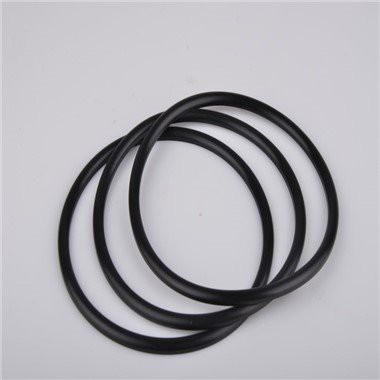

As a trusted supplier of Rubber O - rings, I am often asked about the temperature resistance range of these essential sealing components. Rubber O - rings are used in a wide variety of industries, from automotive to plumbing, and understanding their temperature limits is crucial for ensuring optimal performance and longevity.
The Basics of Rubber O - Rings
Rubber O - rings are circular seals made from various types of rubber compounds. They are designed to fit into a groove and create a seal between two parts, preventing the leakage of fluids or gases. The effectiveness of an O - ring depends on several factors, including the material it is made from, the design of the groove, and the operating conditions, especially temperature.
Different Rubber Materials and Their Temperature Resistance
Nitrile Rubber (NBR)
Nitrile rubber is one of the most commonly used materials for O - rings. It offers good resistance to oil, fuel, and other petroleum - based fluids. In terms of temperature, nitrile rubber O - rings typically have a temperature resistance range from approximately - 40°C to 120°C (- 40°F to 248°F). This makes them suitable for a wide range of applications, including automotive engines, where they can withstand the heat generated during normal operation as well as the cold temperatures during winter starts. You can find more information about nitrile rubber products on our Nitrile Rubber Gasket Sheet page.
Fluorocarbon Rubber (FKM)
Fluorocarbon rubber, also known as Viton®, is a high - performance elastomer with excellent chemical resistance and high - temperature stability. FKM O - rings can handle temperatures ranging from - 20°C to 250°C (- 4°F to 482°F). This wide temperature range makes them ideal for use in harsh environments, such as aerospace applications, chemical processing plants, and high - temperature industrial machinery. However, due to their higher cost, they are typically used in applications where their superior properties are essential.
Silicone Rubber (VMQ)
Silicone rubber O - rings are known for their excellent flexibility and resistance to extreme temperatures. They can operate in a temperature range from approximately - 60°C to 230°C (- 76°F to 446°F). Silicone rubber is also resistant to ozone, weathering, and UV radiation, making it suitable for outdoor applications. However, it has relatively poor resistance to oils and fuels, so it is not commonly used in applications where contact with these substances is expected.
Ethylene Propylene Diene Monomer (EPDM)
EPDM rubber O - rings offer good resistance to water, steam, and weathering. They have a temperature resistance range of - 50°C to 150°C (- 58°F to 302°F). EPDM is often used in plumbing applications, as well as in outdoor and marine environments, where it can withstand exposure to water and sunlight without deteriorating. Check out our Rubber Gasket Sheet Bunnings page for more details on EPDM products.
Factors Affecting Temperature Resistance
The actual temperature resistance of a rubber O - ring can be affected by several factors, in addition to the base material.
Compounding
The specific formulation of the rubber compound can have a significant impact on its temperature performance. Additives, such as antioxidants and heat stabilizers, can be incorporated into the compound to improve its resistance to high temperatures. On the other hand, impurities or improper mixing during the manufacturing process can reduce the O - ring's temperature capabilities.
Compression Set
Compression set is the permanent deformation of an O - ring after being compressed for an extended period. High temperatures can accelerate the compression set process, causing the O - ring to lose its sealing ability. To minimize compression set, it is important to select an O - ring material that is appropriate for the operating temperature and to ensure that the O - ring is installed correctly with the proper amount of compression.
Chemical Exposure
The presence of chemicals in the operating environment can also affect the temperature resistance of a rubber O - ring. Some chemicals can react with the rubber material, causing it to swell, harden, or degrade. This can reduce the O - ring's ability to withstand high temperatures and may lead to premature failure.
Importance of Choosing the Right Temperature - Resistant O - Ring
Selecting the appropriate temperature - resistant O - ring is crucial for the success of any application. Using an O - ring with a temperature rating that is too low can result in seal failure, which can lead to leaks, equipment damage, and safety hazards. For example, in an automotive engine, a failed O - ring can cause oil or coolant to leak, leading to engine overheating and potentially costly repairs.
On the other hand, using an O - ring with a higher temperature rating than necessary can be wasteful and increase costs. Therefore, it is important to accurately assess the operating temperature range of the application and choose an O - ring material that can meet those requirements.


Custom Rubber O - Rings for Specific Needs
At our company, we understand that different applications have unique requirements. That's why we offer Custom Rubber O - Rings For Automotive & Plumbing Needs. Our team of experts can work with you to select the right rubber material and design an O - ring that is tailored to your specific temperature, pressure, and chemical exposure requirements. Whether you need a small quantity of custom - made O - rings for a prototype or a large production run, we have the capabilities to meet your needs.
Conclusion
The temperature resistance range of rubber O - rings varies depending on the material they are made from. Nitrile rubber offers a good balance of cost and performance for a wide range of applications, while fluorocarbon rubber provides superior high - temperature and chemical resistance. Silicone rubber is ideal for extreme temperature applications, and EPDM is well - suited for outdoor and plumbing applications. By understanding the temperature requirements of your application and choosing the right O - ring material, you can ensure reliable sealing performance and prevent costly failures.
If you are in need of high - quality rubber O - rings for your project, we invite you to contact us for a consultation. Our experienced team can help you select the best O - ring solution for your specific needs and provide you with a competitive quote. Let's work together to ensure the success of your application.
References
- "Handbook of Elastomers", Second Edition, Edited by A. K. Bhowmick and H. L. Stephens
- "Sealing Technology Handbook", Edited by Peter M. Godfrey